How to Safely Move Heavy Data Center Equipment Without Risking Downtime

Moving equipment in a data center can be unforgiving. Tight timelines, controlled environments, and equipment that cannot be damaged leave little room for error.
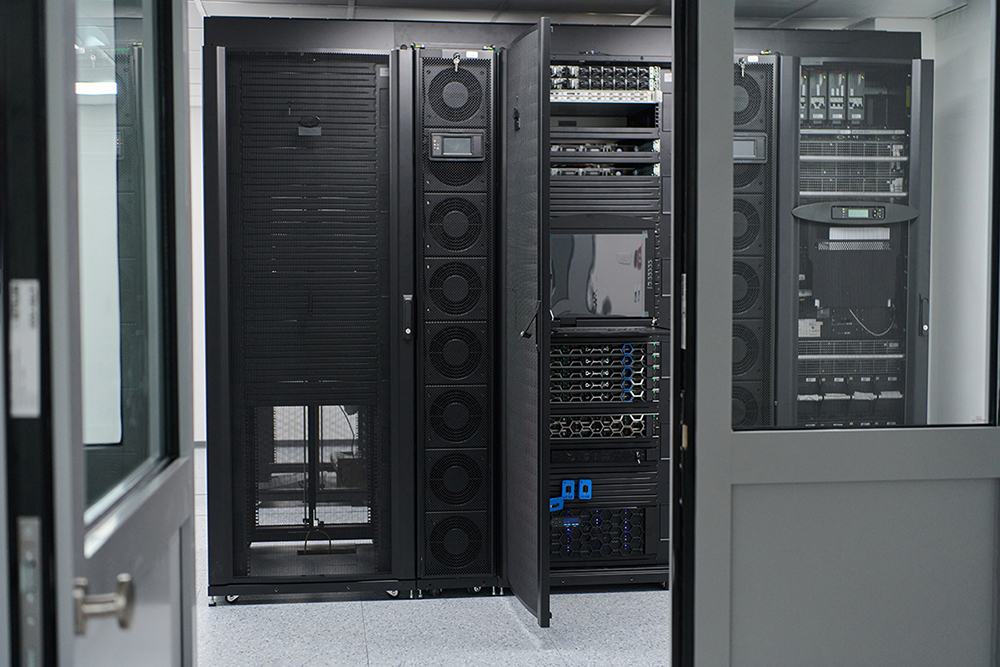
Server racks, UPS systems, and battery cabinets are heavy, but weight is only part of the challenge. They can be affected by vibration, difficult to maneuver in tight spaces, and are often installed under aggressive timelines.
This is where problems start. Many data center technicians and installation teams rely on standard casters that were never designed for this kind of environment, making the process harder to control and introducing unnecessary risk.
Moving Data Center Equipment is More Demanding Than It Looks
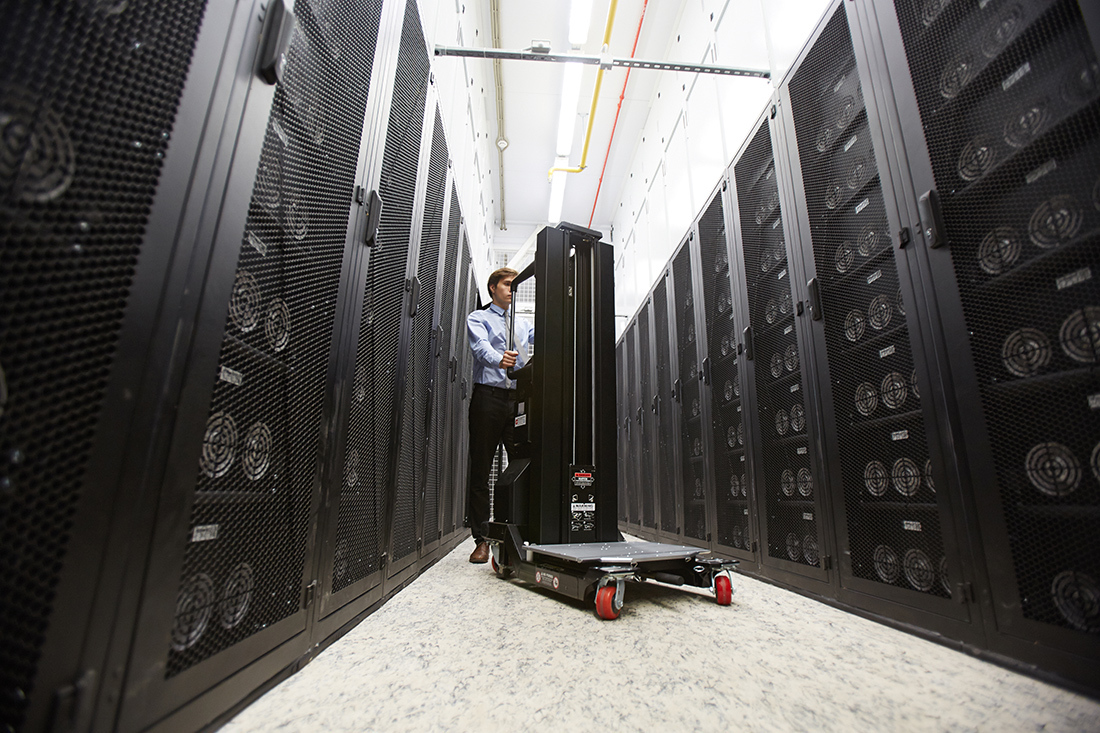
At a glance, moving data center equipment can seem similar to other industrial applications. In reality, the environment introduces a different set of constraints that need to be accounted for.
The weight is one part of the equation, but it is not the only thing that matters. Server racks, UPS systems, and battery cabinets place significant loads on casters, especially during movement and positioning. Maneuverability, ergonomics, and durability also play an important role in how that equipment performs.
At the same time, the equipment itself is sensitive. Casters need to absorb shock and reduce vibration to keep equipment stable during movement.
These constraints show up in a few key ways:
- Heavy loads that put stress on casters, especially during starts, stops, and turns
- Sensitivity to vibration and shock that can affect hardware and internal components
- Tight aisles and limited space that make maneuvering more difficult
- Finished floors and clean environments that require non-marking materials and careful handling
These conditions do not exist in isolation. They show up at the same time, which is what makes equipment movement in data centers more demanding than it first appears.
Where Standard Casters Fall Short in Data Center Applications
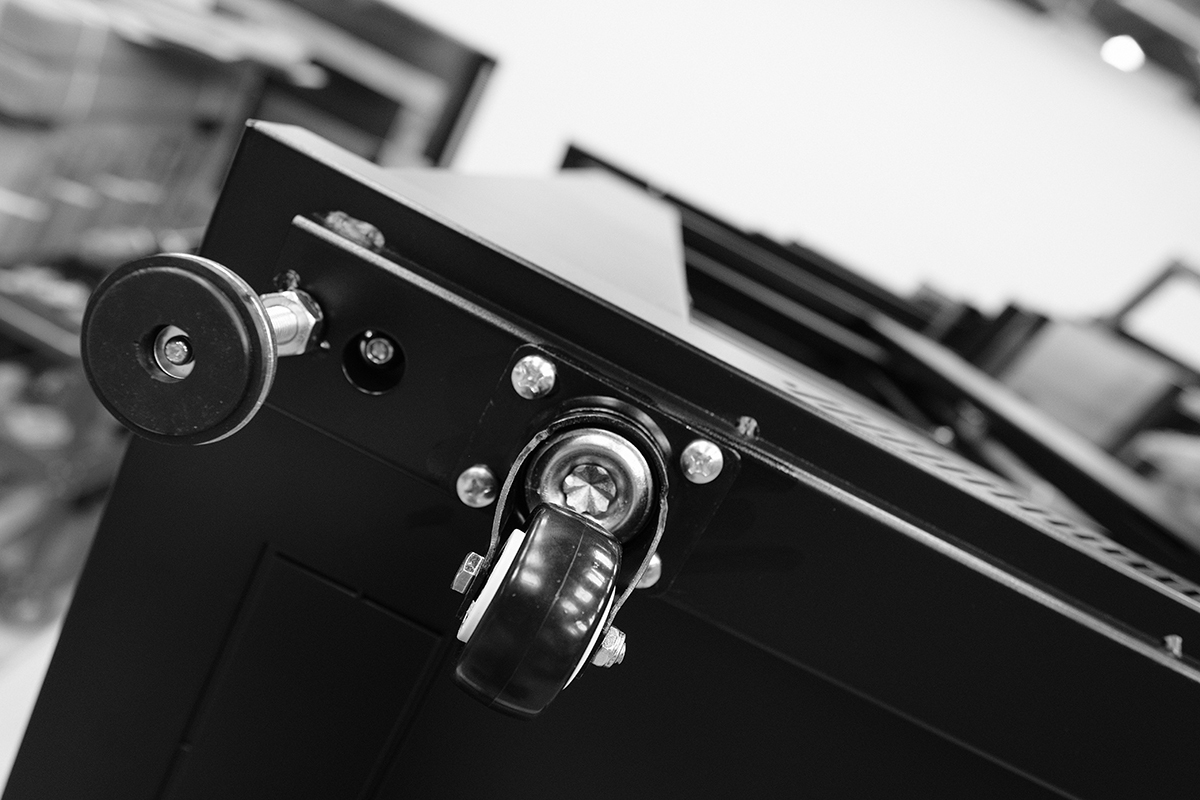
Standard casters are widely used in industrial environments, but they are not designed for the demands of data center installations.
Many standard casters are selected based on load capacity alone, without considering how they perform during movement.
During transport and positioning, standard casters often create issues such as:
- Higher push/pull forces, making equipment harder to move and increasing strain on operators
- Increased vibration, especially across floor joints or uneven transitions
- Less control when turning or positioning heavy equipment
- Premature wear, leading to wheel or bearing issues under repeated use
These limitations do not always show up immediately. Equipment may still move, but the process becomes slower, less predictable, and harder on both the equipment and the team user.
In a data center environment, those small issues add up quickly. They can delay installations, increase the risk of equipment damage, and create unnecessary challenges.
Best Practices for Moving Data Center Equipment Safely
Data center environments introduce a different set of challenges than other material handling applications.
1. Get Load Capacity Right From the Start
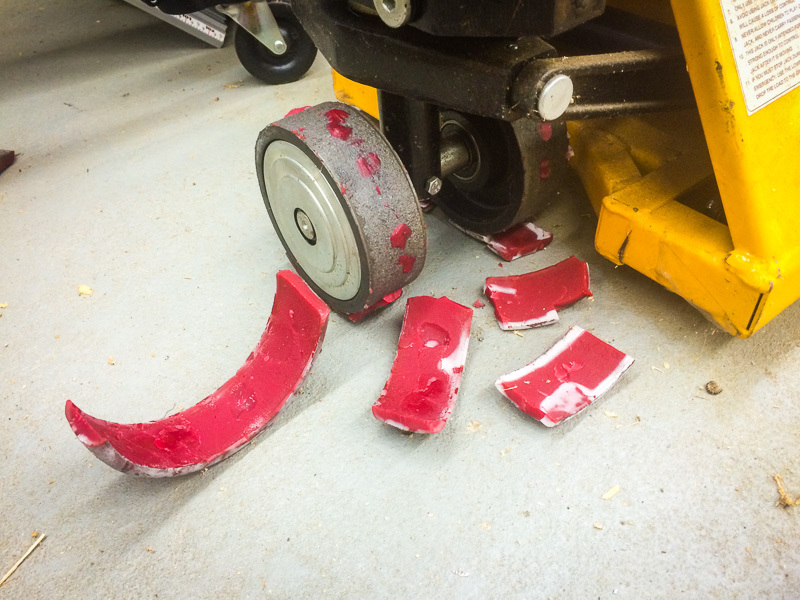
Load capacity is a great place to start when selecting casters for data center equipment. Casters need to support the full weight of the equipment, along with any added stress that occurs during movement.
It is important to account for:
- Uneven weight distribution and load shifts during movement, which can cause some casters to carry more weight than others
- Increased stress during starts and stops, which puts more strain on wheels and bearings
Selecting casters that are equipped to hold the weight of data center equipment helps prevent wear, reduces strain on components, and keeps equipment stable during movement and positioning.
2. Improve Push/Pull Efficiency

Reducing push/pull forces starts with proper caster selection. Small changes in wheel material or diameter can make a noticeable difference in how easily equipment moves.
It is important to account for:
- Wheel material, which affects how easily the caster rolls across different floor surfaces
- Wheel diameter; larger wheels typically require less effort because they reduce rolling resistance and move more easily over floor joints and debris
- Rig considerations, including swivel vs rigid configurations and swivel lead, affect maneuverability and turning clearance
With the right ergonomic casters, equipment moves and positions more easily during installation, helping to prevent delays and protect the people handling it.
3. Limit Shock Transfer During Movement
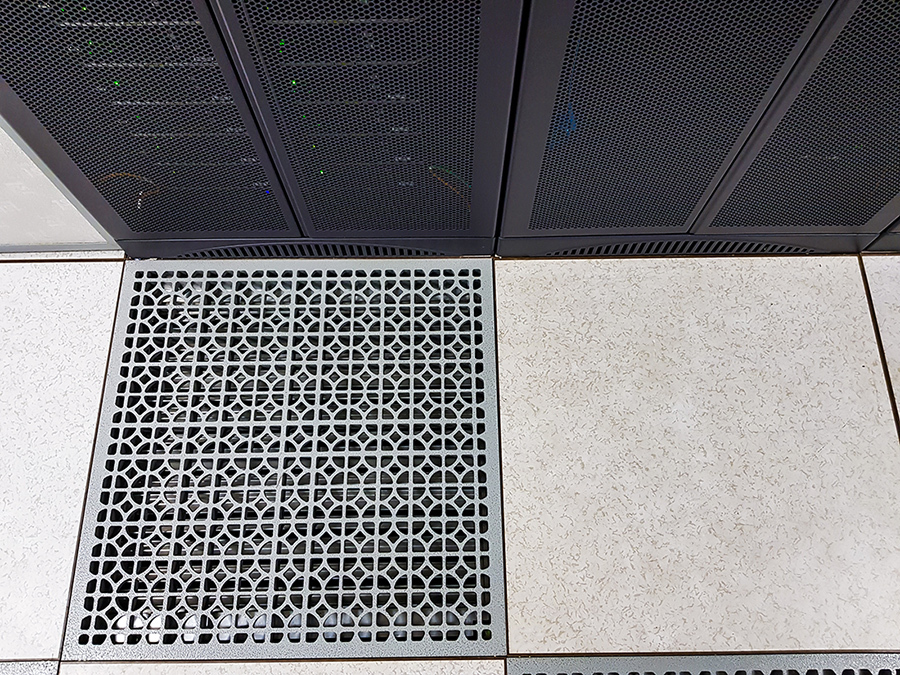
Data center equipment contains internal components that can be damaged by vibration during movement, especially when equipment encounters floor obstructions such as airflow panels, cords, temporary cabling, or other impediments. While server racks, UPS systems, battery cabinets, and load banks are typically stationary, they still need to be moved during installation, reconfiguration, maintenance, or replacement.
Several factors influence how shock is handled during movement:
- Wheel material, which determines how much shock is absorbed by the wheel or transferred into the equipment
- Floor conditions, including cords, cracks, debris, or other obstructions that can introduce sudden impact
- Brakes or floor locks, which help keep equipment in place and prevent unintended movement that can introduce shock
If these conditions are not accounted for, shock can carry through the equipment and create problems during installation or after it is placed back into service.
4. Prevent Floor Damage

Data center floors need to stay clean and free of damage as equipment is moved, installed, and serviced.
Heavy equipment can damage floors when wheel treads are too hard, crack under significant weight, or pick up debris that gets dragged across the surface. Damage is more likely when equipment sits in one place for long periods or is moved repeatedly across the same areas.
It is important to consider:
- Wheel material, including hardness and resilience, which affects whether the wheel marks, cracks, or protects the floor
- Load distribution, to prevent too much weight from sitting in one spot and damaging or indenting the floor
- Cleanliness, as wheels can pick up and transfer debris across the facility
Getting these details right goes a long way toward preventing floor damage. Floors stay cleaner, equipment moves without leaving marks behind, and you avoid wear that can turn into a bigger problem over time.
5. Address Electrostatic Discharge
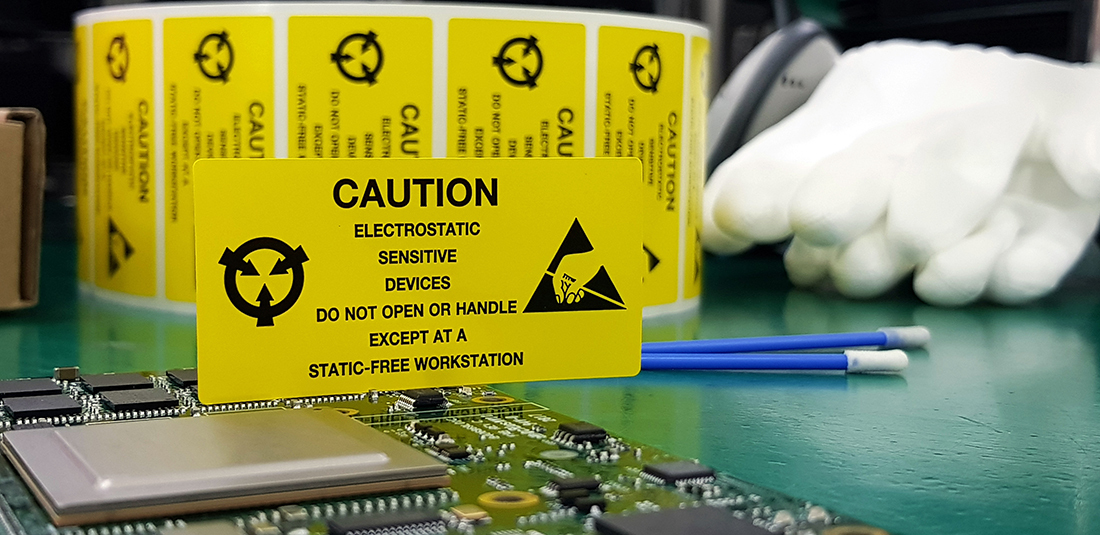
Static buildup is a concern when moving data center equipment because electrical discharge can damage circuit boards and other electronic components.
As equipment moves across the floor, certain wheel materials can generate static. If that charge is not dissipated through the wheel into the ground, it can build up on the equipment and eventually discharge as a high-voltage spike. That spike can damage electronic components and interfere with how they function.
Using conductive or electrostatic dissipative (ESD) wheels helps prevent that charge from building up in the first place and reduces the risk of damage during handling and installation.
How to Approach Caster Selection for Data Center Equipment
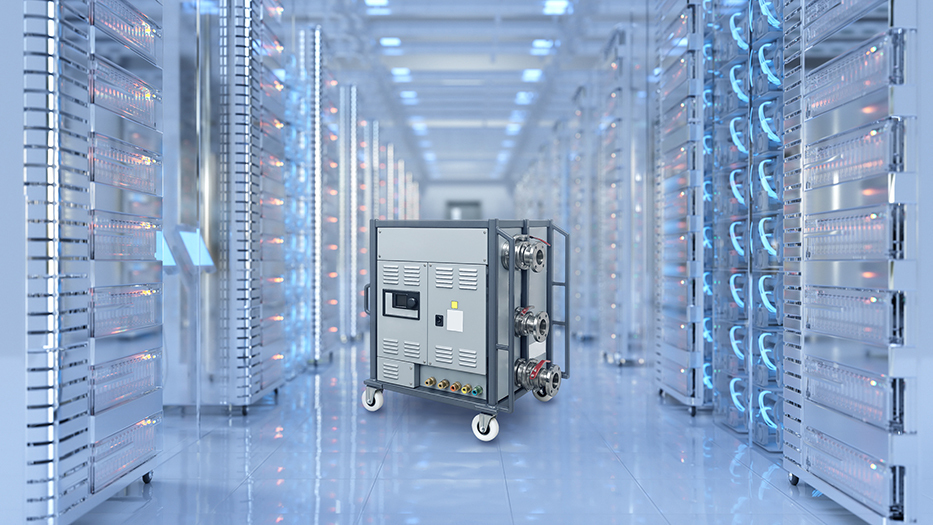
Selecting casters for data center equipment is not just about matching load capacity. How the equipment moves, how it interacts with the floor, and any size constraints all need to be considered.
Before selecting casters, factor in the equipment's operating conditions:
- The total weight of the equipment and how it is distributed
- The type of flooring and any obstructions that may be encountered
- How often the equipment will be moved or repositioned
- Whether electrostatic discharge needs to be controlled
From there, focus on the caster features:
- Wheel tread material, which influences shock absorption, floor protection, and static buildup
- Wheel diameter, which affects push/pull forces and how easily equipment moves over obstructions
- Rig design, including swivel and rigid casters, brake options, and other stability features such as floor locks
Taking the time to weigh these factors upfront helps prevent issues during installation and makes equipment easier to move, position, and maintain.
Working With the Right Caster Supplier
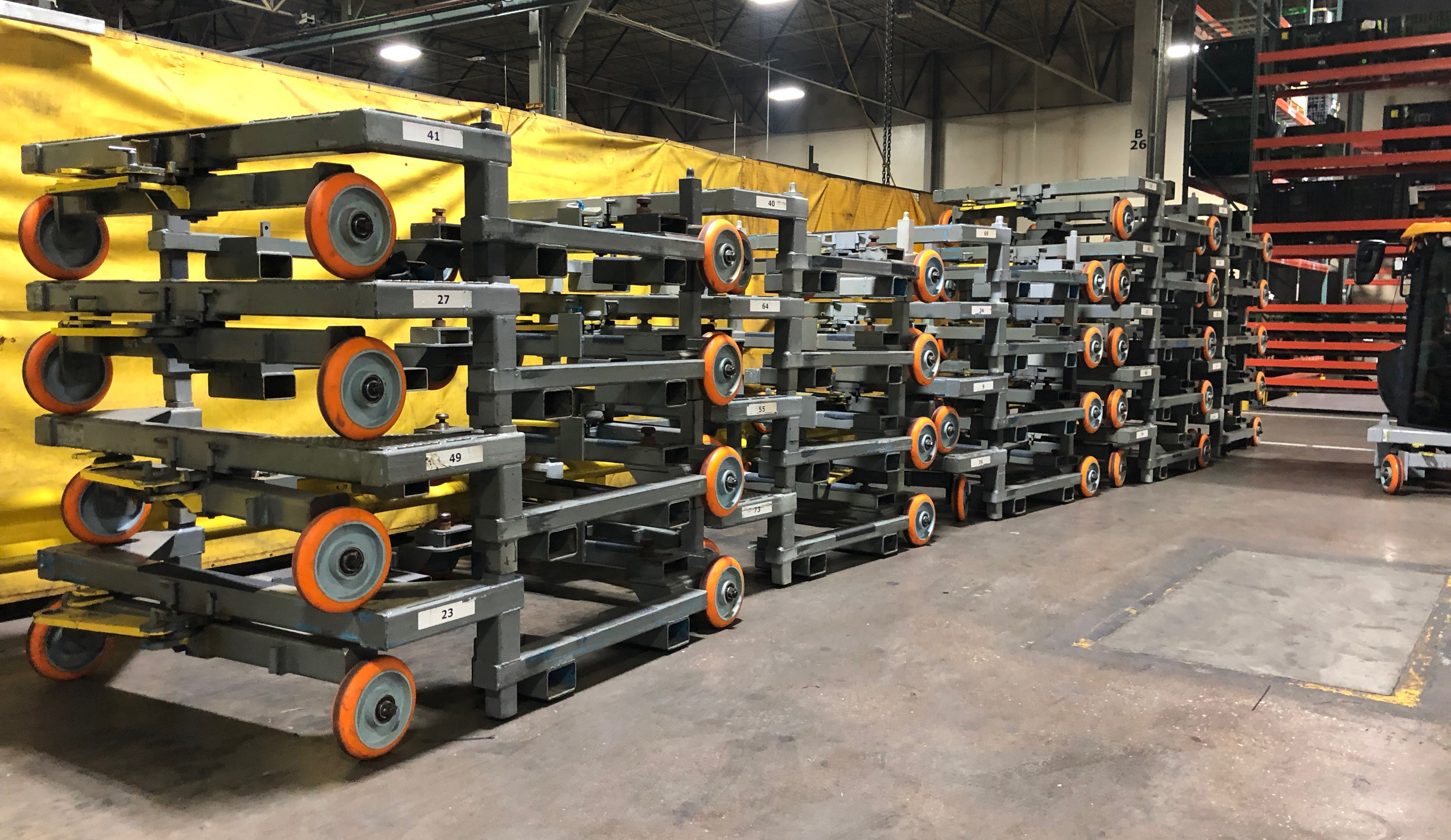
Even with the right considerations in place, selecting casters for data center equipment is not always straightforward. There are a variety of factors that influence how casters perform, and subtle changes can affect how equipment moves, holds up, and interacts with its environment.
That is where experience matters. Working with a supplier that understands these applications helps ensure the right decisions are made upfront, rather than having to correct issues later.
A more informed approach to caster selection helps reduce risk, improve efficiency, and avoid unnecessary complications during installation.
Make the Right Call On Casters
Getting caster selection right starts with understanding the full scope of the application.
At Caster Connection, our Caster Nerds work directly with facilities through our free Caster Needs Eval service to review equipment weight and load requirements, how it is moved, how often it is repositioned, and the floor surface.
That process helps ensure the right caster solutions are selected upfront, so equipment moves as expected and avoids unnecessary issues later.
For help with caster selection, you can request a quote or schedule a free Caster Needs Eval below to get started.

Data Center Equipment Mobility FAQs
What is the safest way to move server racks?
The safest approach is to use engineered mobility systems designed for high load capacity, stability, and controlled movement. Proper caster selection and load distribution are essential for preventing tipping and equipment damage.
What causes downtime during data center equipment movement?
Downtime is often caused by inefficient mobility systems, difficulty maneuvering equipment, damage during transport, and delays in positioning during installation.
Do data centers require special casters?
Yes. Data centers often require specialized casters that support heavy loads, reduce vibration, protect floors, and minimize electrostatic discharge to protect sensitive electronics.
How do you reduce push force when moving heavy equipment?
Push force can be reduced through ergonomic caster design, proper wheel material selection, and ensuring even load distribution across all points of contact.
Can poor mobility damage data center equipment?
Yes. Poor mobility can introduce vibration, instability, and improper handling, all of which can damage sensitive components and impact system performance.