How to Reduce Injury Risk in Glass Handling with Better Casters and Brakes

Glass manufacturing and installation place some of the highest physical demands on material handling systems. Crews are tasked with moving heavy, fragile glass panels through constantly changing environments where control, precision, and worker safety are critical. In these applications, injury risk is often driven by how equipment moves, stops, and stabilizes under load. That’s why effective glass handling solutions must go beyond basic load capacity and address ergonomics, braking, and stability as an integrated system. By combining ergonomic caster design with advanced braking and stability features, glass operations can reduce worker strain, prevent accidents, and protect high-value materials throughout the handling process.
The Hidden Causes of Injury Risk in Glass Handling Operations

Glass handling is one of the most physically demanding activities in manufacturing and installation environments. Crews regularly move heavy, fragile panels with a high center of gravity through fabrication shops, staging areas, and active job sites. These movements often happen across smooth concrete, sloped docks, tight access points, and finished interiors within the same workflow.
In these conditions, injuries rarely come from a single dramatic failure. Risk builds when carts are hard to start, difficult to control, unstable under load, or unpredictable on uneven surfaces. Reducing injury risk in glass handling requires more than strong equipment. It requires better movement control.
That starts with ergonomics and braking, helping to:
- Lower push/pull forces
- Reduce overexertion injuries
- Prevent runaway carts and load instability
- Improve control during precision glass handling
Why Glass Handling Injuries Often Start With Poor Movement Control
Most injuries in glass operations are not caused by catastrophic events. They develop over time through repetitive strain and loss of control under load.

Common risk factors include:
-
High push/pull force required to start moving a loaded cart
-
Sudden resistance caused by debris or uneven flooring
-
Carts that continue rolling when workers need them to stop
-
Instability during staging or installation
-
Awkward body positioning to compensate for poor control
Over time, these conditions contribute to:
-
Back, shoulder, and joint injuries
-
Increased fatigue and reduced awareness
-
Higher likelihood of glass breakage and secondary accidents
Reducing these risks begins with better ergonomics and better braking control.
The Connection Between Ergonomics and Brakes
Braking is often treated as a safety feature, while ergonomics is framed as a comfort issue. In glass handling, they directly influence each other.

When a cart requires excessive force to move or feels unstable under load, workers compensate. They lean harder into the push, shift their body position, or brace the cart during stops. These adjustments increase strain and reduce reaction time when something unexpected happens.
When carts start smoothly and stop reliably, workers can maintain safer posture and better control throughout the task. That combination reduces fatigue and lowers injury risk.
Reducing Push/Pull Force in Glass Cart Applications
Lowering the force required to move a loaded glass cart is one of the most effective ways to reduce overexertion injuries.
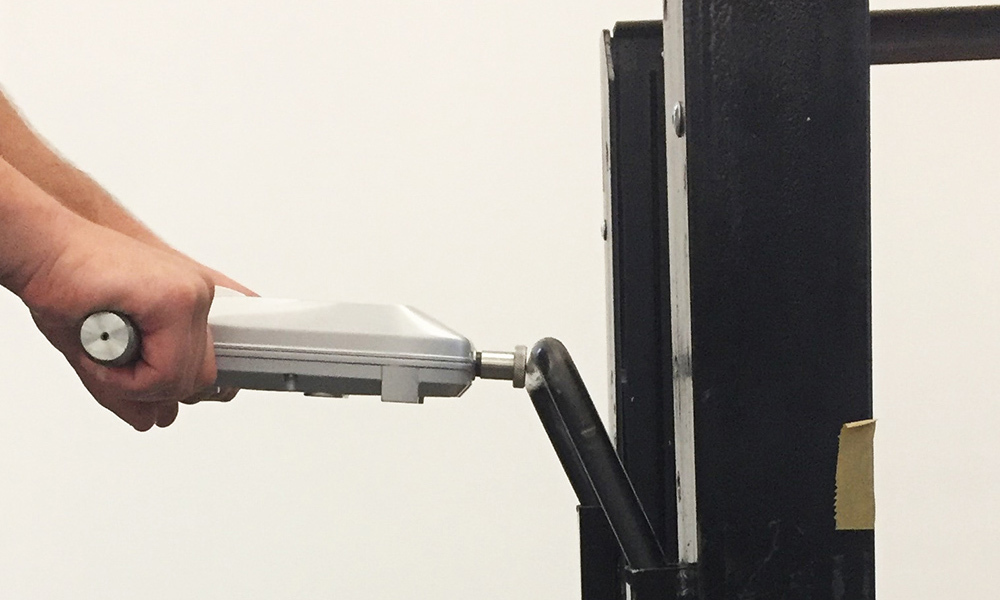
High push/pull forces increase stress on the back, shoulders, wrists, and knees. The risk grows when loads are tall or unevenly distributed, which is common in glass transport.
Caster Connection addresses this with high-quality polyurethane wheels such as CC Apex, designed to maintain low rolling resistance under heavy, demanding, and unpredictable conditions.
How CC Apex Supports Ergonomic Movement
CC Apex polyurethane wheels are engineered for demanding industrial environments where ergonomics, load support, and floor protection are key. In glass handling, that means lower push/pull force under heavy panels, consistent support for high center-of-gravity loads, and reduced floor marking in finished interiors. That combination translates directly to reduced physical strain and more predictable cart behavior throughout the workflow.

CC Apex polyurethane wheels are designed to:
-
Reduce rolling resistance under load
-
Withstand debris common in glass fabrication environments
-
Absorb vibration that contributes to operator fatigue
-
Track predictably during pushing, pulling, and towing
By improving how carts move across varying surfaces, these wheels help reduce the physical effort required throughout the shift. Operators are less likely to overexert themselves during starts, stops, and directional changes.
Braking Solutions That Improve Control and Stability
Movement control does not end once the cart is rolling. In glass handling, stopping and staying put are just as important as smooth movement. Without the right braking and stabilization, carts can drift during staging, creep on slopes, or shift during installation. That is why brake selection matters as much as wheel selection.
Total Lock Brakes for Secure Positioning
Total lock brakes secure both the wheel and the swivel at the same time. This prevents unintended rolling or pivoting during loading and staging.

Total lock brakes help:
-
Keep carts stationary during glass transfer
-
Reduce the need for workers to brace carts with their bodies
-
Improve confidence in tight fabrication areas
Stability during loading directly reduces awkward positioning and sudden force corrections.
Deadman Brakes for Sloped or Variable Surfaces
Sloped floors, ramps, and dock areas introduce a different kind of risk. Even when a cart rolls smoothly, gravity can quickly turn controlled movement into uncontrolled movement.

A deadman brake system is designed to prevent that. Instead of requiring the operator to “remember” to set a brake, deadman brakes are built to engage automatically when the operator releases the handle or control mechanism. In other words, the cart is only free-rolling while it is actively being controlled.
This is especially valuable in glass handling environments where loads are tall, fragile, and often difficult to stabilize once they begin moving.
Deadman brakes help:
-
Reduce sustained force during downhill movement
-
Improve control when transitioning between surfaces
-
Provide a safety backstop if a worker stumbles, loses grip, or shifts position
-
Lower the risk of runaway carts and instability
For operations that regularly move glass carts across ramps or uneven pathways, deadman braking is one of the most effective ways to reduce both injury risk and product damage.
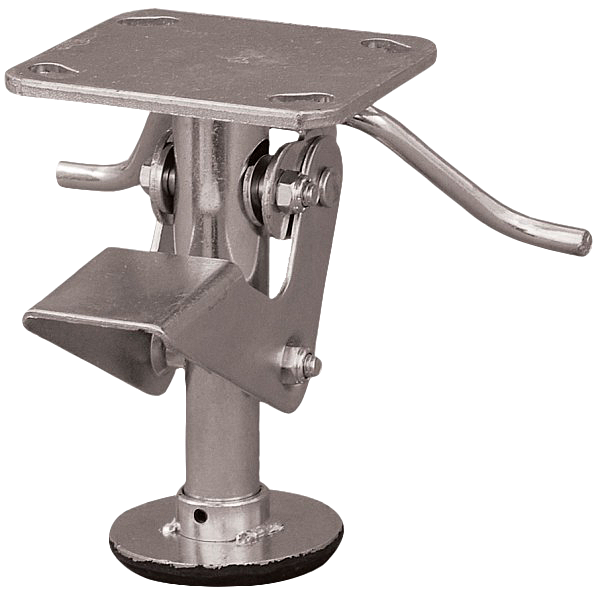
Floor Locks for Installation Work
During installation, even slight cart movement can force operators to manually stabilize the load. That often results in awkward body positioning and unnecessary strain.
Floor locks lift the wheels slightly off the ground to create a stable platform. This is especially useful when aligning panels on finished floors where precision matters.
With proper stabilization, workers can focus on placement rather than compensating for movement.
The Impact of Better Casters and Braking

Investing in ergonomic wheels and appropriate braking solutions produces measurable results in glass operations.
Benefits often include:
-
Fewer strain-related injuries
-
Reduced lost-time incidents
-
Lower risk of glass breakage
-
Improved productivity due to easier movement
-
Longer equipment life and reduced maintenance
When carts move predictably and stop reliably, operators spend less energy fighting equipment and more energy completing the task safely.
An Approach to Safer Glass Handling
In most glass facilities, carts do not operate in ideal conditions. They move from fabrication areas to staging zones, through doorways, onto trucks, and sometimes into finished interiors. That is why caster and brake selection cannot be based on catalog specs alone. It has to reflect how carts actually move through your facility.
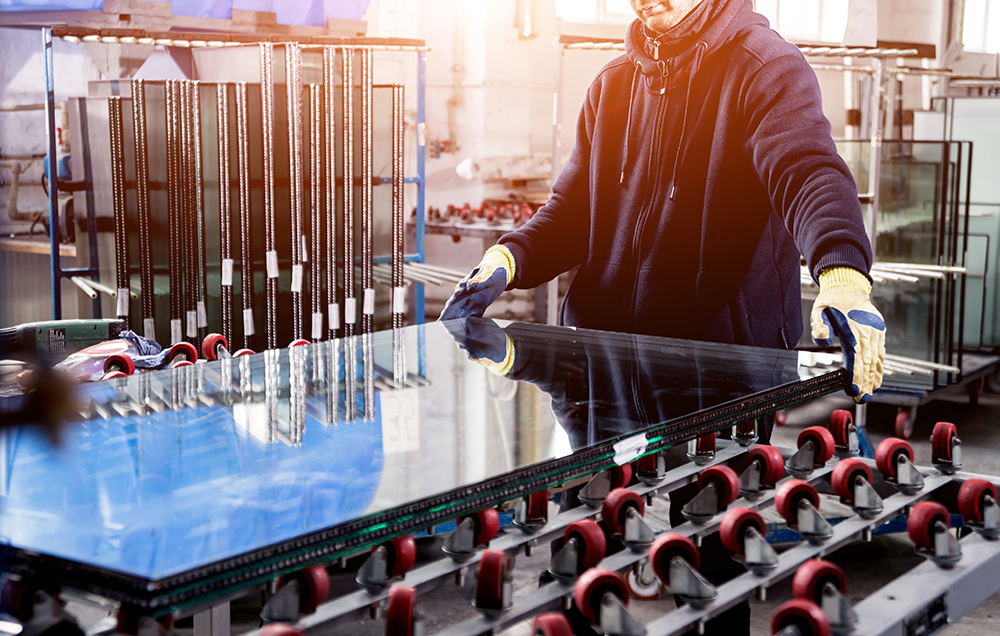
In some operations, the primary issue is excessive push/pull force during long transport paths. In others, the bigger risk is unpredictable tracking on ramps or instability during installation. The right solution depends on the specific application, environment, typical payload, and more.
Caster Connection works with glass manufacturers and installers to evaluate those real movement patterns. From there, we recommend wheel materials, rig types, and braking options that address the specific risks in your environment.
Improve Safety and Control in Your Glass Handling Operation
If your glass carts are difficult to start, hard to stop, or contributing to worker fatigue, it may be time to reassess your caster and braking setup.
Caster Connection can help you find better solutions such as CC Apex wheels and appropriate braking options that improve control, reduce strain, and support safer glass handling practices.
Request a free Caster Needs Evaluation to start improving safety, stability, and performance in your operation.