How to Choose the Right Casters for Hyperscale Data Center Infrastructure

How Do You Choose the Right Casters for Hyperscale Data Center Infrastructure?
Choosing the right casters for hyperscale data center infrastructure requires evaluating load capacity, floor conditions, electrostatic discharge (ESD) requirements, and mobility needs. The best casters are engineered to match equipment weight, environmental constraints, and movement patterns, enabling safe handling, reduced downtime, and efficient installation at scale.
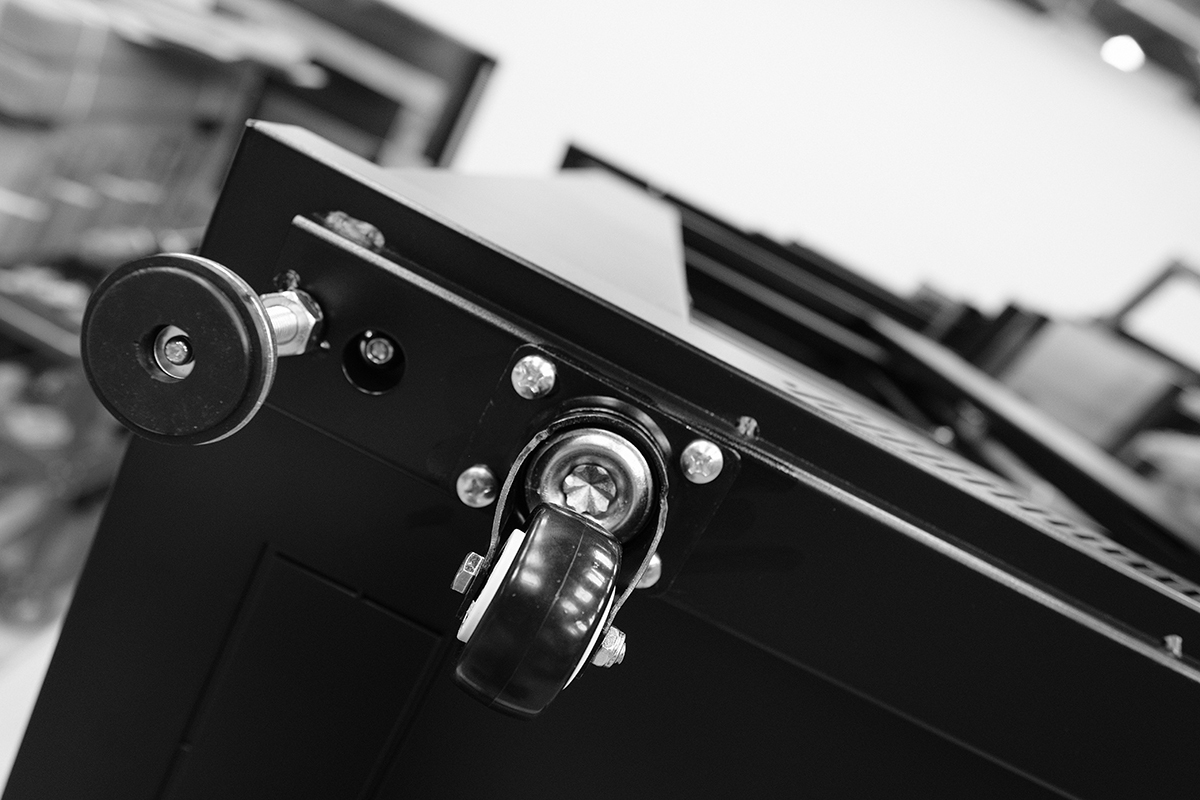
Why Caster Selection Matters in Hyperscale Data Center Construction
Increasing Equipment Size and Weight
Modern data center infrastructure—including server racks, containment systems, and battery storage—requires heavy-duty casters for data center equipment that can handle significantly higher loads than traditional environments.
Faster Deployment Timelines
With hyperscale builds, every inefficiency is amplified. Poor mobility slows installation, increases labor time, and creates downstream delays.
Downtime and Delay Risk
Mobility issues directly contribute to data center downtime causes, especially when equipment is difficult to move or reposition safely.
Key Factors When Choosing Casters for Data Center Equipment
Mobility in data center environments should be engineered as a system.
Caster selection impacts:
- Installation speed
- Equipment protection
- Worker safety
- Workflow efficiency
- Scalability
The right solution is not the strongest caster—it is the one designed for how your equipment moves within your environment.
Load Capacity and Weight Distribution
Load capacity is the foundation of any data center equipment mobility solution.
- Calculate total system weight including payload
- Account for dynamic movement forces
- Plan for uneven load distribution
- Apply a safety factor
Caster load ratings should always account for dynamic conditions, not just static weight, to prevent failure during real-world movement.
Floor Conditions and Surface Protection
Different environments require different wheel materials.
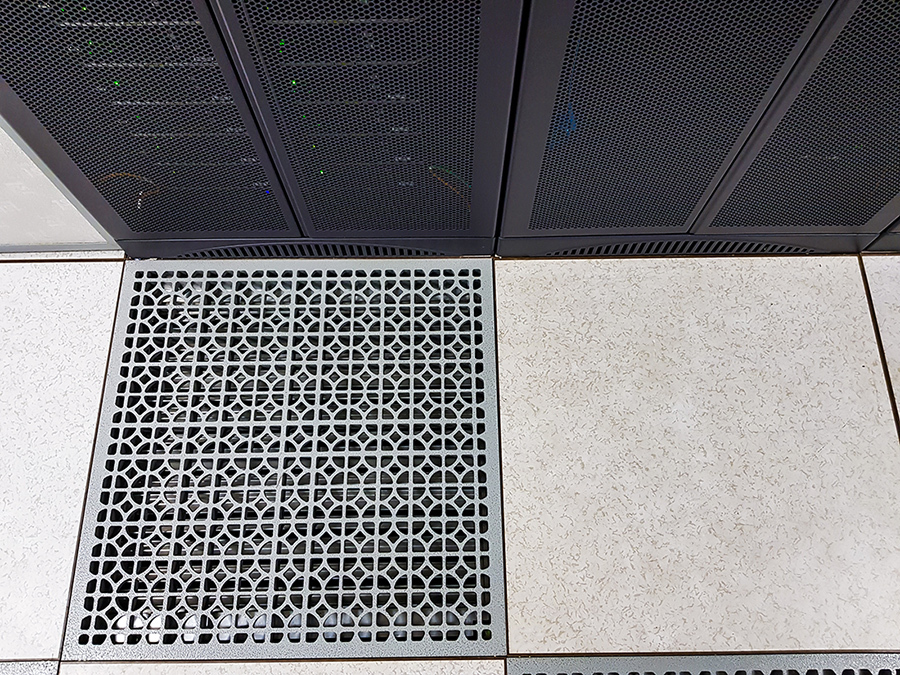
- Raised floors require careful load distribution
- Finished environments need non-marking wheels
- Poor caster selection can damage flooring and increase costs
For deeper insights, explore mobility solutions for industrial and IT environments.
Electrostatic Discharge (ESD) Requirements
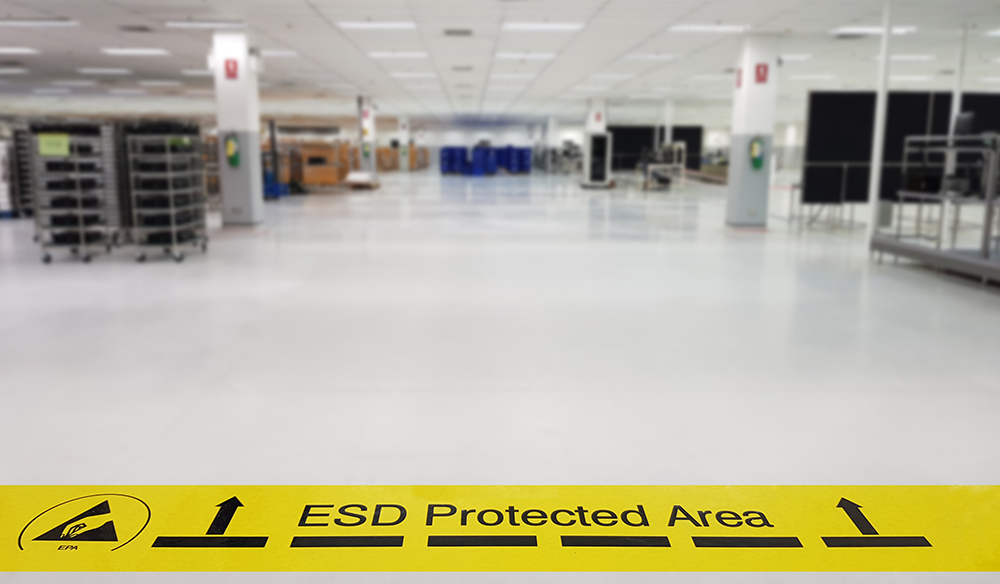
In hyperscale environments, ESD-safe casters for data centers are often required.
- Prevent damage to sensitive electronics
- Use conductive or dissipative materials
- Ensure compatibility with flooring and grounding
Learn more about ESD-safe caster selection and IT mobility best practices.
Push Force and Rolling Resistance
Push force determines how efficiently equipment can be moved.
- Larger wheels reduce effort
- Material impacts rolling resistance
- Lower push force improves safety and productivity
For real-world applications, see how to safely move heavy data center equipment without risking downtime.
Low-Profile and Height Constraints
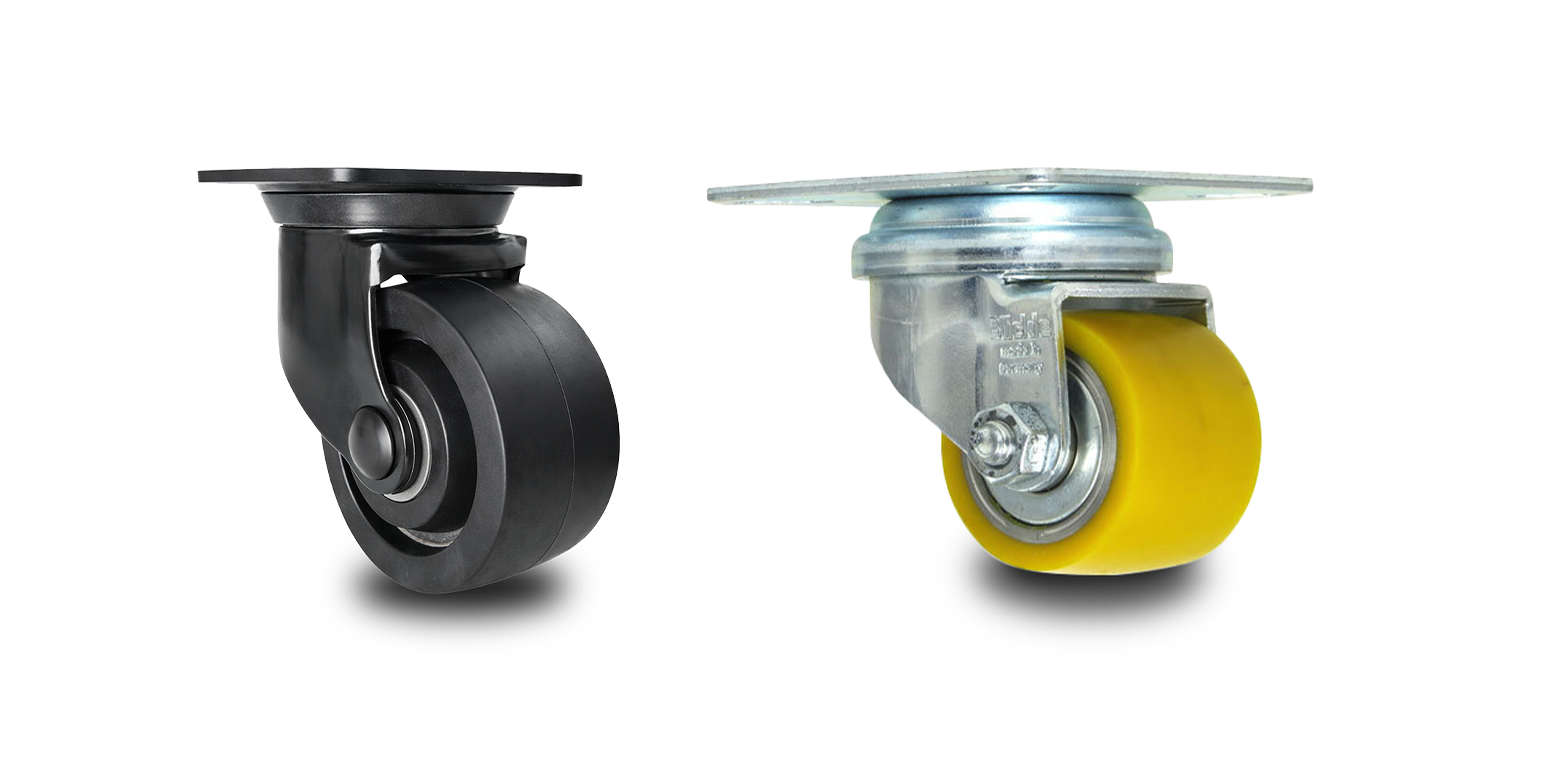
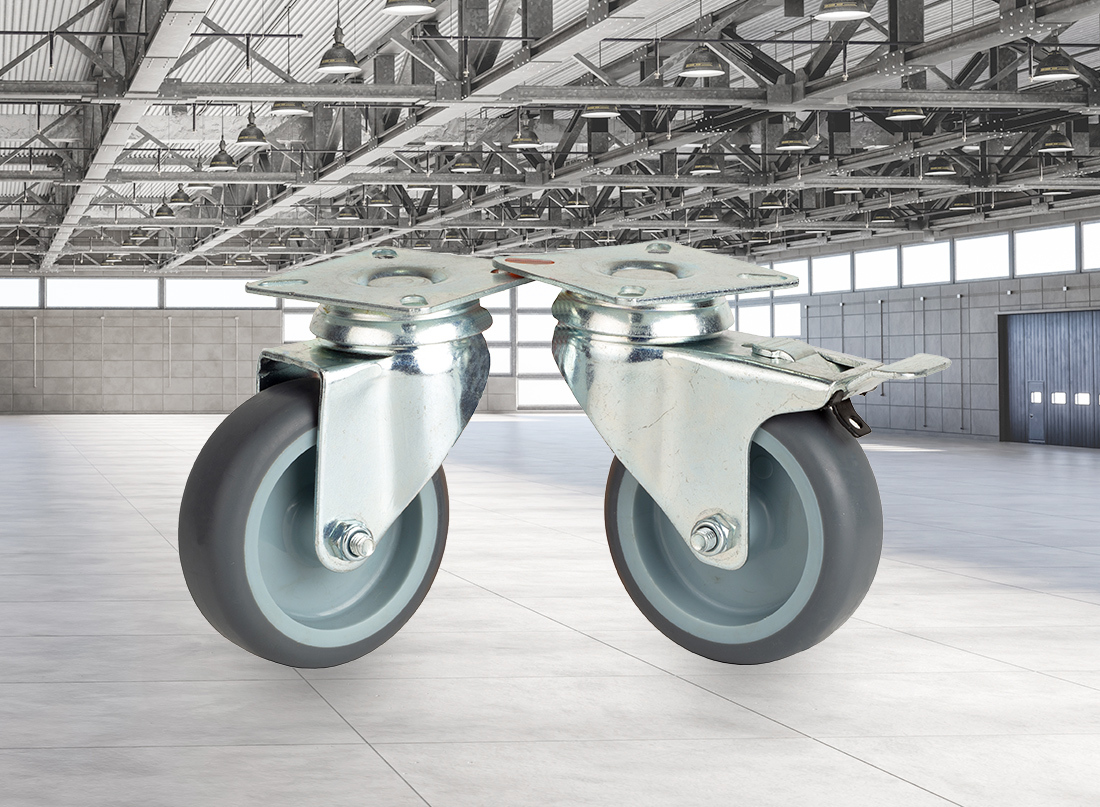
Many applications require low-profile casters for server racks.
- Limited clearance restricts wheel size
- Smaller wheels increase resistance
- Stability must be maintained
Movement Control and Stability
Precision matters when installing infrastructure.
- Braking systems prevent drift
- Directional control improves tracking
- Stability ensures safe placement
Environmental Considerations
Casters must match the environment:
- Noise and vibration sensitivity
- Cleanroom requirements
- Temperature exposure
- Chemical resistance
Common Mistakes When Choosing Data Center Caster
Choosing Based on Load Capacity Alone
Ignoring environmental and ergonomic factors leads to poor performance.
Using Standard Casters in Hyperscale Applications
Off-the-shelf solutions often fail under real-world demands.
Ignoring ESD Requirements
This can result in costly equipment damage.
Overlooking Push Force
High push force reduces efficiency and increases injury risk.
Not Planning for Scale
Mobility systems must support long-term growth.
Caster Selection Across Data Center Applications
Server Rack Mobility Systems
Require low-profile, high-load, and often ESD-safe casters.
Cooling Systems and Air Handling Units
Require controlled movement and high load capacity.
Battery and Power Infrastructure
Demand extreme load handling and stability.
Modular Data Center Construction
Requires repeatable, scalable mobility systems.
When to Use Custom Mobility Solutions for Data Centers
Standard casters are not enough when:
- Equipment is difficult to move
- Push force is too high
- Casters fail under load
- Environments are complex
- Operations are scaling
Explore data center equipment mobility solutions designed for hyperscale environments.
How to Choose the Right Casters (Step-by-Step Framework)
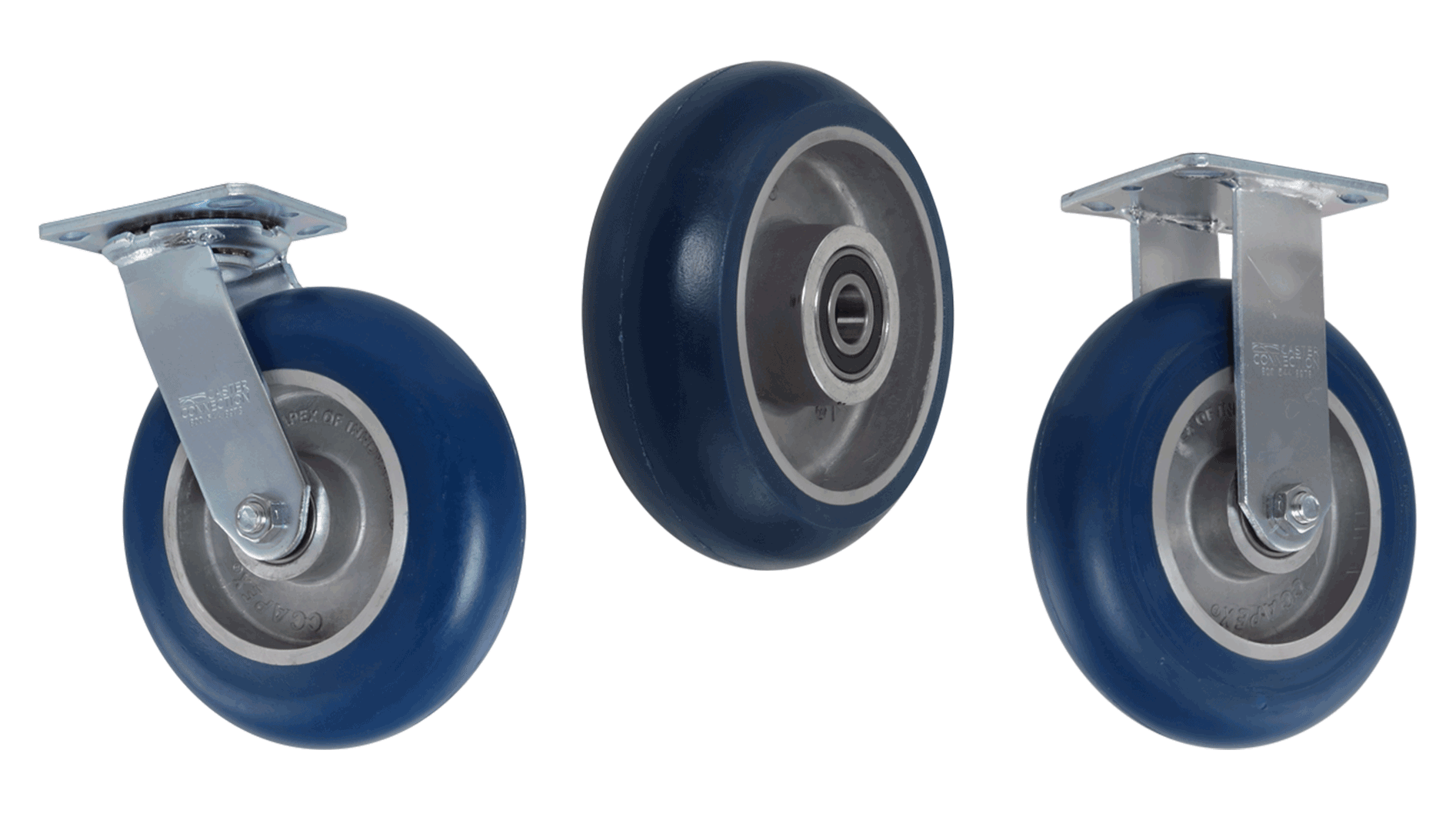
Step 1: Define Load Requirements
Include total weight and worst-case scenarios.
Step 2: Evaluate Floor and Environment
Consider flooring, ESD, and conditions.
Step 3: Identify Movement Needs
How often and how far will equipment move?
Step 4: Assess Ergonomics
Evaluate push/pull forces and safety concerns.
Step 5: Align with Workflow
Ensure mobility supports installation and operations.
Learn More About Data Center Equipment Mobility
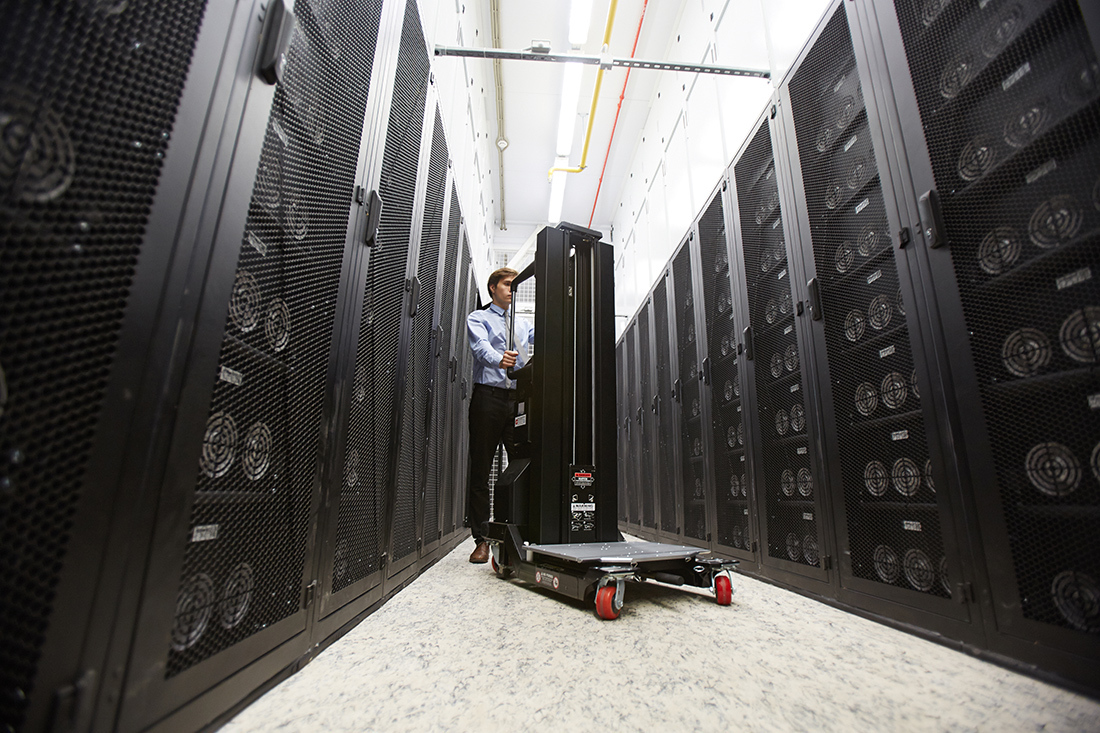
To deepen your understanding:
Get Expert Guidance On Caster Selection
Choosing the right caster for hyperscale infrastructure is complex—but critical. The wrong mobility solution can lead to inefficiencies, equipment risk, and costly delays. The right solution improves how your entire operation moves.
A properly engineered mobility system can:
- Reduce downtime and installation delays
- Improve equipment handling and positioning accuracy
- Enhance worker safety and reduce push force
- Support scalable, repeatable workflows
Caster Connection’s Caster Needs Evaluation is designed to take the guesswork out of this process.
Through this evaluation, our mobility engineers will assess:
- Your equipment type and application
- Total and dynamic load requirements
- Floor conditions and environmental factors
- ESD and safety considerations
- Movement patterns and workflow needs
Based on your inputs, we provide a custom, application-specific mobility recommendation—not a generic product suggestion.

Data Center Caster Selection FAQs
What are the best casters for hyperscale data centers?
The best casters are application-specific and engineered for load capacity, environment, and ESD requirements. There is no one-size-fits-all solution.
How do you calculate caster load capacity?
Divide total weight by the number of casters and apply a safety factor to account for dynamic conditions.
Do data centers require ESD casters?
Many do, but effectiveness depends on the full system, including flooring and grounding.
What type of casters are used for server racks?
Typically low-profile, high-load casters, often with ESD-safe materials.
Why are push/pull forces important?
Lower push/pull forces improve efficiency, safety, and productivity.
When should a custom caster solution be utilized?
When standard solutions cannot meet load, environment, or scalability requirements.