• You have no items in your shopping cart.

The Role of Casters In Enhancing Warehouse Automation Systems

Warehouse Automation

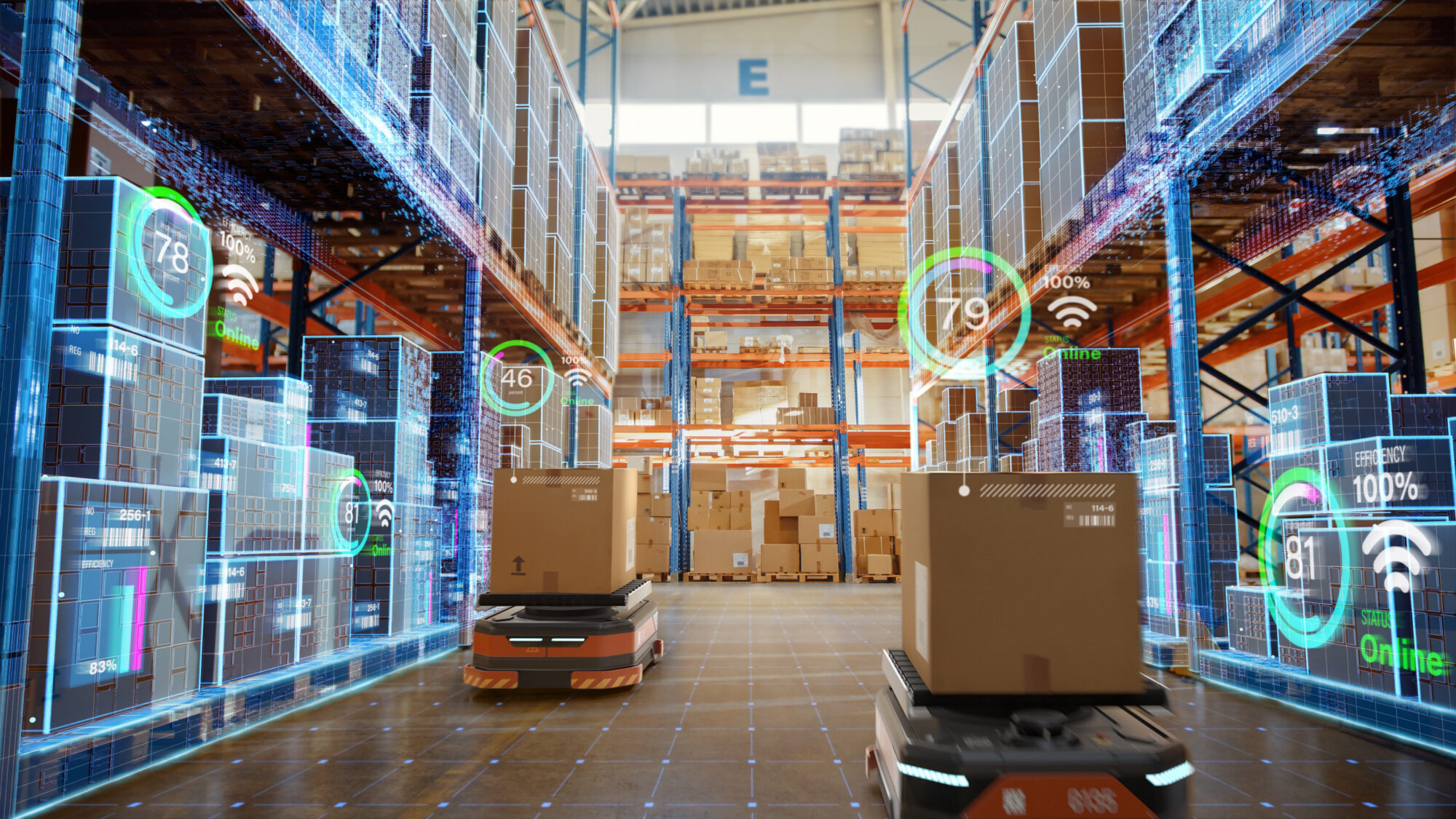
Warehouse automation is revolutionizing the logistics and supply chain industry, enabling facilities to increase efficiency, reduce costs, and improve accuracy with minimal human intervention. Automated systems like Automated Guided Vehicles (AGVs), Autonomous Mobile Robots (AMRs), and conveyor systems are at the heart of these advancements. However, one critical component that is often overlooked in these systems is the caster.

Casters play a pivotal role in the mobility, stability, and overall performance of warehouse automation systems. Choosing the right casters can significantly enhance the efficiency, safety, and lifespan of these systems, ultimately contributing to the success of your automation strategy.

Orange AGV Icon 02

What Part Do Casters Play In Warehouse Automation?

Casters are more than just wheels attached to a piece of furniture or equipment. When used correctly, they can play a large role in efficiency, ergonomics, productivity, and cost management. Choosing the right casters for automated systems is essential to ensuring the reliability of their performance. Whether it's AGVs transporting materials, AMRs navigating complex layouts, or conveyor systems moving goods through different stages of processing, the quality and design of the casters used can make all the difference.

The Role of Casters In Automation Systems

Automated Guided Vehicles (AGVs)

Casters supporting AGVs must handle not only substantial loads, but also dynamic forces from acceleration, deceleration, and continuous travel cycles. In high-volume warehouse environments, especially those using tugger systems or pallet-moving AGVs, wheels are exposed to sustained compression and repeated directional stress.

For moderate-duty automation, ergonomic polyurethane options like CC Apex and CC Nexus provide smooth tracking, reduced rolling resistance, and floor protection.

For heavier automated transport systems, extra heavy-duty wheels such as CC Dynamo 95A™ and CC Dynamo 70D™ offer increased resistance to compression collapse and flat spotting under continuous load. Featuring a polyurethane tread bonded to a cast iron core, these wheels are engineered for high-capacity AGVs operating across multiple shifts.

Pairing these wheels with structurally reinforced rigs such as CC Forge™ or CC Brawn™, helps withstand sustained towing forces, side loading during tight turns, and continuous-duty warehouse operation.

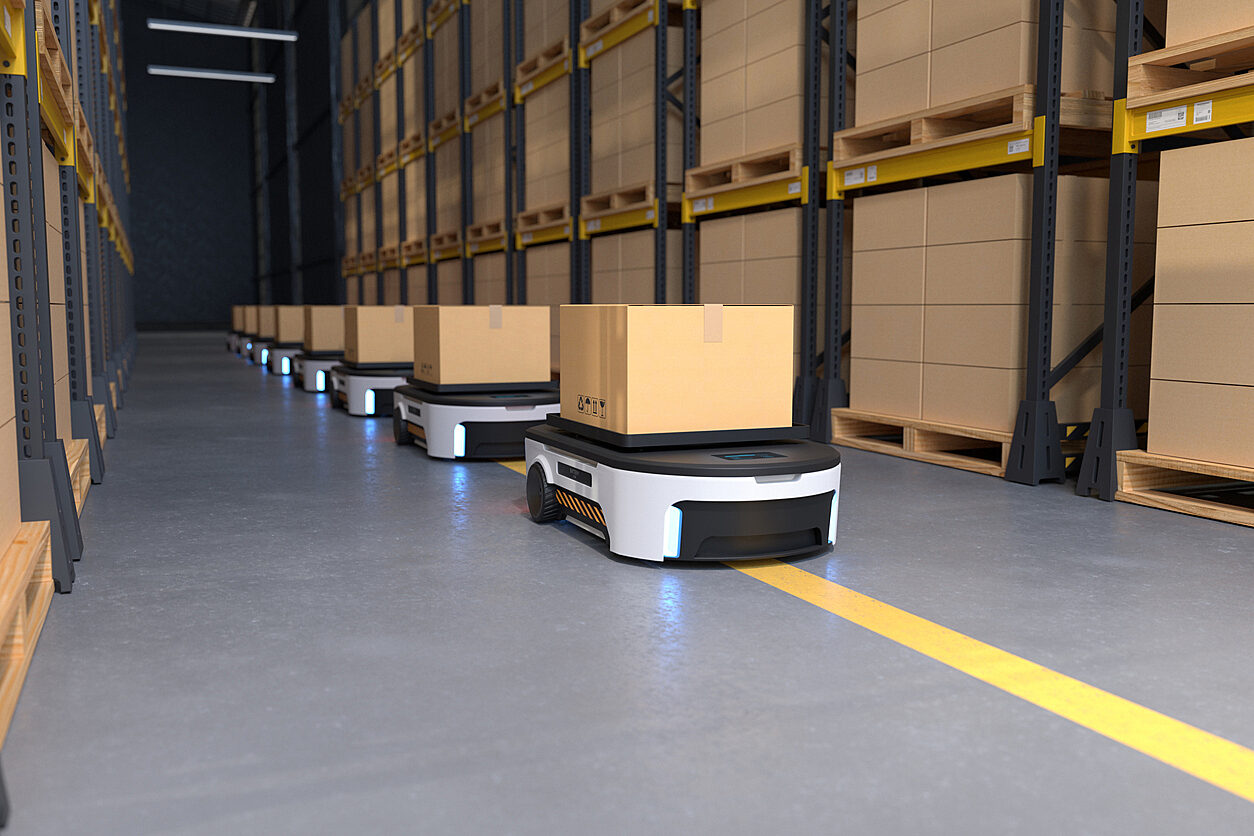
Line of automatic guided carts

Autonomous Mobile Robots (AMRs)

AMRs offer more flexibility than AGVs, dynamically navigating warehouse environments using advanced sensors and AI. Casters for AMRs must offer high maneuverability and low rolling resistance, enabling the robot to adapt to changing conditions. Ergonomic swivel casters, like CC Nexus, are a top choice for AMRs because their wheel modularity helps robots navigate tight spaces and corners with ease, while reducing battery draw. Their durability and noise-reducing capabilities are also essential for maintaining a quiet and efficient facility.

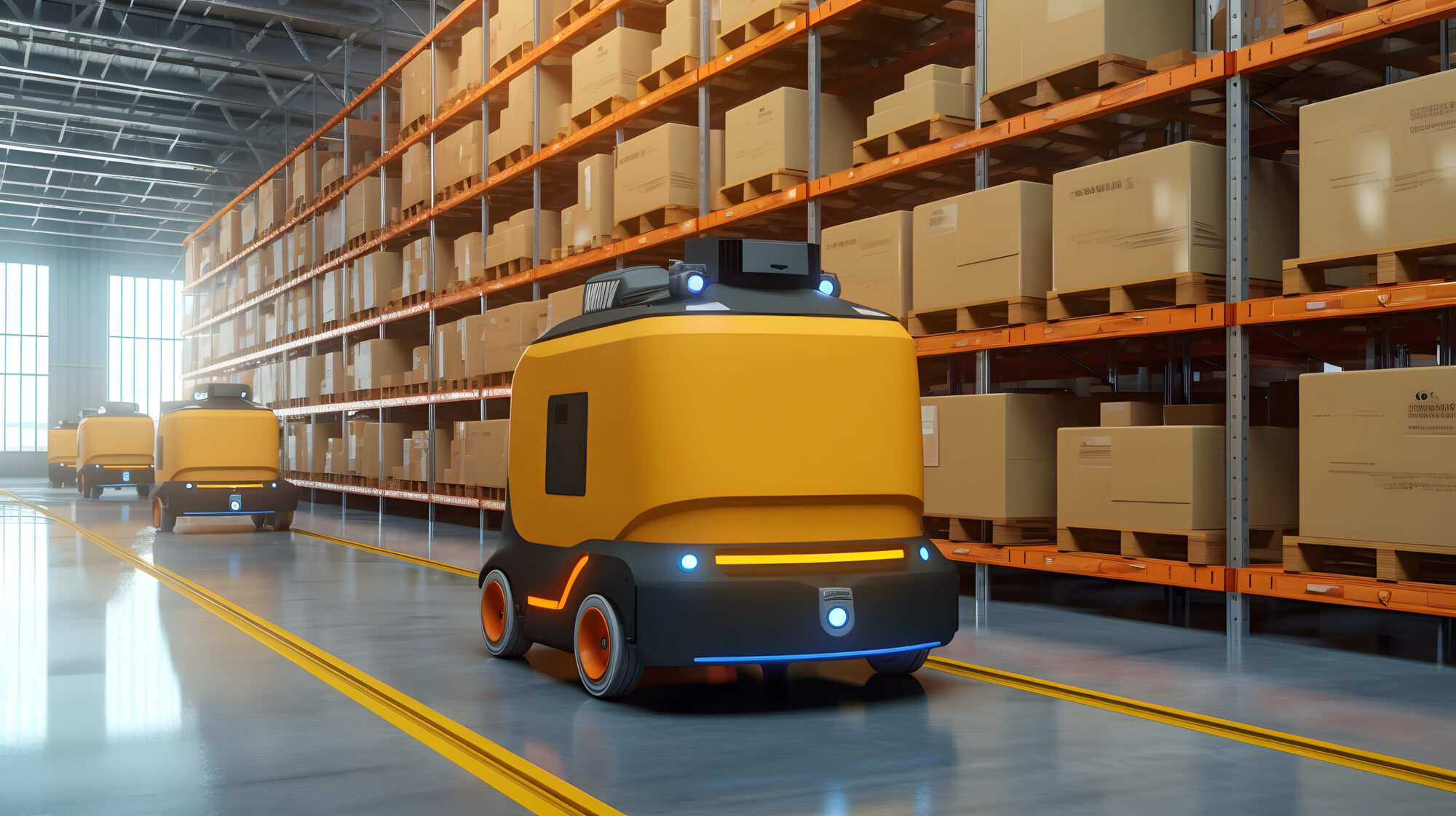
Automated vehicle

Conveyor Systems

Conveyor systems automate the transport of goods across various warehouse processes, from receiving to shipping. Conveyor systems typically do not need to be moved very frequently, so choose a flat caster made from a hard material, like hard rubber or polyolefin, to prevent flat spots from forming over time. This is important because although conveyor systems do not need to be move very often, there may be times when sections need to be moved for reconfiguration and/or maintenance.

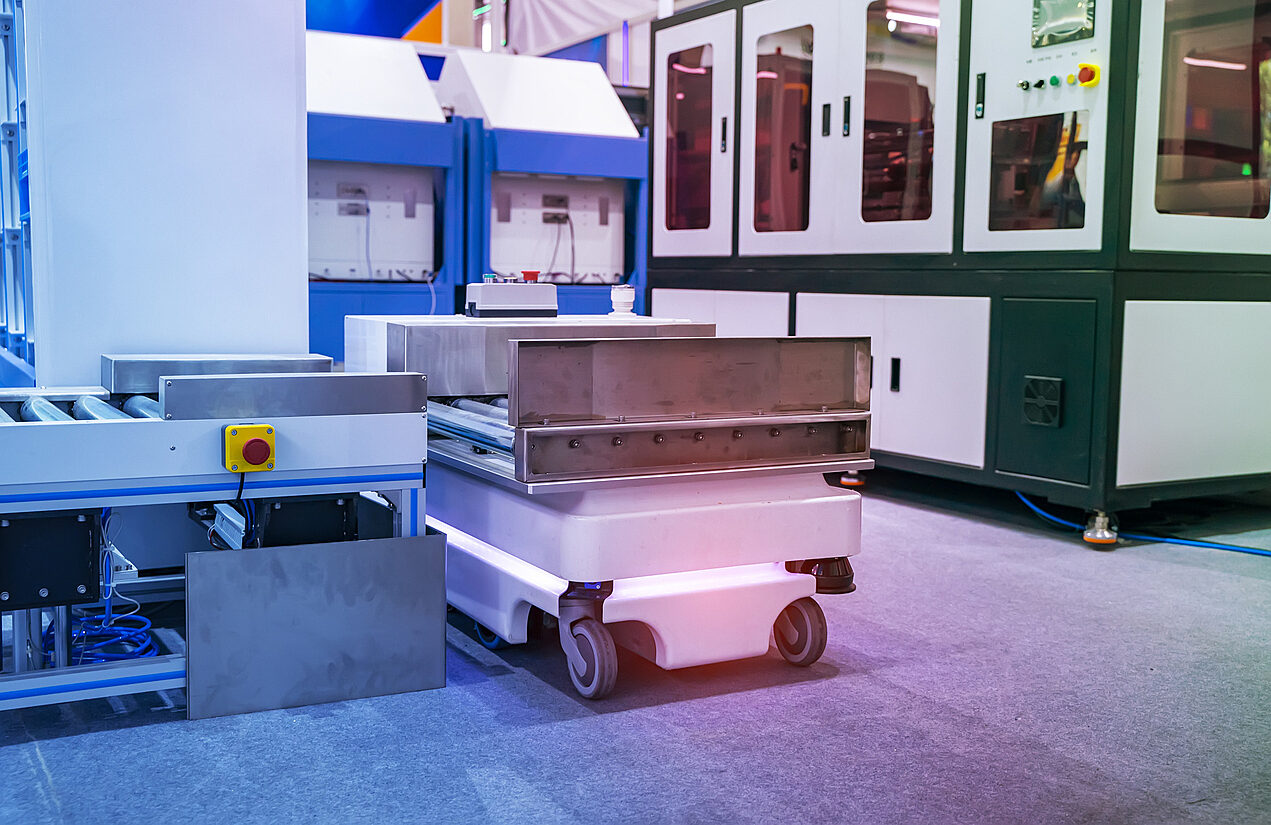
Conveyor cart

Automated Storage and Retrieval Systems (AS/RS)

AS/RS are designed for high-density storage environments and allow facilities to automate the placement and retrieval of items. Casters for automated storage and retrieval systems contribute to the precise and efficient movement of mobile storage units, supporting substantial loads, and ensuring quick, accurate positioning.

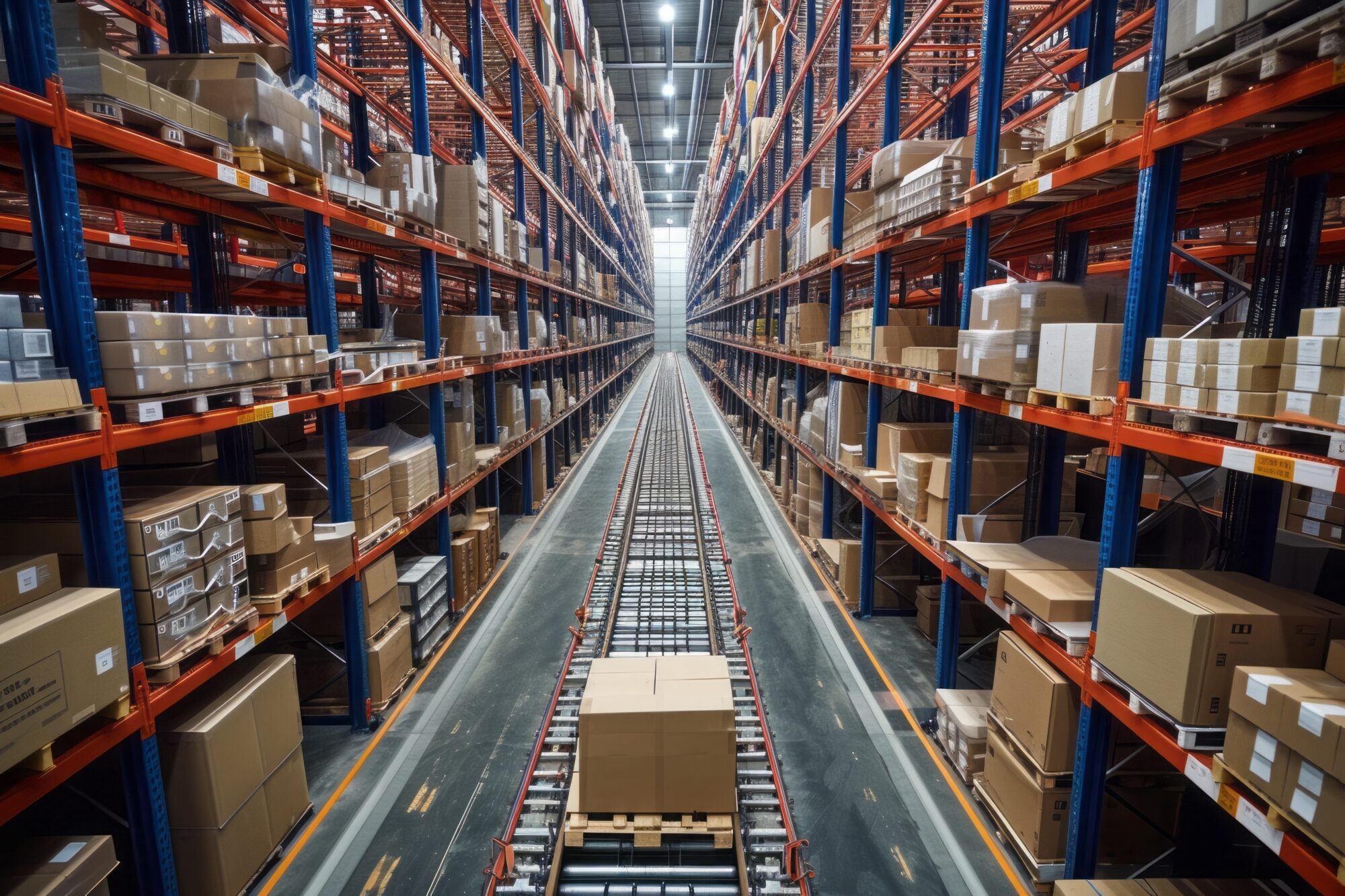
Adobe Stock 722244748

Robot Picking Systems

Robot pickers either use fixed arms or mobile robots to select and place items within a warehouse. For robot picking systems, low-profile, high-precision casters are important for ensuring stability and accuracy, without creating noise disturbances or taking up too much space. Additionally, static discharge is often a concern in warehouse environments, where electrical components are assembled or packaged. CC Apex ESD is a great caster choice for automated warehouse applications, like robotic pickers, thanks to its ability to dissipate static electricity.

Robotic Picker

Top Casters for Warehouse Automation

6" CC Apex Kingpinless Swivel Caster

SKU: CC-2110-600200-40-T1

  • Overall Height
    7-1/2"
    Wt. Capacity
    1,000 lbs.
    Wheel Width
    2"
$85.14

6" CC Apex set - 2 swivel/2 rigid

SKU: CC-10/1210-600200-40-T1-SET4

ALT-SKU: CCAPEX-6S/R-set-2s/2r

  • Overall Height
    7-1/2"
    Wt. Capacity
    1,000 lbs.
    Wheel Width
    2"
$249.35

6" CC Peak Maintenance-Free Swivel CC Apex Caster

SKU: CC-3110-600200-40-T1

ALT-SKU: CCAPEX-6S-EMF

  • Overall Height
    7-1/2"
    Wt. Capacity
    1,000 lbs.
    Wheel Width
    2"
$120.94

8" CC Apex ESD Spring-Loaded Rigid Caster

SKU: 141ESD08228R

  • Overall Height
    9-3/4"
    Wt. Capacity
    1,250 lbs.
    Wheel Width
    2"
$148.55

5" CC Apex ESD Swivel Caster

SKU: DC-2711-500200-40-T3

  • Overall Height
    6-1/2"
    Wt. Capacity
    800 lbs.
    Wheel Width
    2"
$65.46

4" CC Apex ESD Rigid Caster

SKU: DC-7611-400125-40-T6

ALT-SKU: CCAPEX-ESD-425-R-TP2

  • Overall Height
    5-1/8"
    Wt. Capacity
    400 lbs.
    Wheel Width
    1-1/4"
$35.60

8" CC Nexus Kingpinless Swivel Caster - 4" X 4-1/2" top plate

SKU: CC-2115-800200-40-T1

  • Overall Height
    9-1/2"
    Wt. Capacity
    1,750 lbs.
    Wheel Width
    2"
$177.30

8" CC Nexus Maintenance-Free Swivel Caster - 4" X 4-1/2" top plate

SKU: CC-3115-800200-40-T1

  • Overall Height
    9-1/2"
    Wt. Capacity
    1,750 lbs.
    Wheel Width
    2"
$214.36

8" CC Nexus Rigid Caster - 4" X 4-1/2" top plate

SKU: CC-1115-800200-40-T1

  • Overall Height
    10-1/8"
    Wt. Capacity
    1,250 lbs.
    Wheel Width
    2"
$149.24

8" CC Dynamo 95A Heavy Duty Rigid Caster

SKU: CC-9295A-800300-40-TV

  • Overall Height
    10-1/2"
    Wt. Capacity
    3,600 lbs.
    Wheel Width
    3"
$304.85

8" CC Dynamo 95A Heavy Duty Forged Kingpin Swivel Caster

SKU: CC-9395A-800300-40-TV

  • Overall Height
    10-1/2"
    Wt. Capacity
    3,600 lbs.
    Wheel Width
    3"
$438.15

8" CC Dynamo 95A Heavy Duty Kingpinless Swivel Caster

SKU: CC-9495A-800300-40-TV

  • Overall Height
    10-1/2"
    Wt. Capacity
    3,600 lbs.
    Wheel Width
    3"
$489.38

8" CC Dynamo 70D Heavy Duty Kingpinless Swivel Caster

SKU: CC-9470D-800300-40-TV

  • Overall Height
    10-1/2"
    Wt. Capacity
    3,600 lbs.
    Wheel Width
    3"
$503.85

8" CC Dynamo 70D Heavy Duty Forged Kingpin Swivel Caster

SKU: CC-9370D-800300-40-TV

  • Overall Height
    10-1/2"
    Wt. Capacity
    3,600 lbs.
    Wheel Width
    3"
$449.65

8" CC Dynamo 70D Heavy Duty Rigid Caster

SKU: CC-9270D-800300-40-TV

  • Overall Height
    10-1/2"
    Wt. Capacity
    3,600 lbs.
    Wheel Width
    3"
$326.62

Key Considerations for Selecting Casters for Warehouse Automation

While there are a number of viable caster options for warehouse automation applications, there are a few factors to consider before making a selection. Here are some key things to consider when choosing casters for your AGVs, AMRs, robots, or other automated system.

Checklist

Load Capacity and Distribution

Automated systems often carry significant loads, and the casters must be selected based on the total weight they need to support. Overloading casters can lead to failure and costly downtime, so it's crucial to consider how the load is distributed across the system and choose casters that can handle the weight distribution pattern.

In powered automation systems, it is also important to account for duty cycle and safety factor. AGVs and AMRs operating continuously or transporting palletized goods may require higher-capacity wheels to prevent tread deflection and compression set. Selecting a wheel engineered for sustained load rather than intermittent manual movement helps extend service life and reduce downtime.

Pallet Icon

Floor Conditions

Your choice of caster material can have a huge impact on your warehouse's floors. Casters should roll easily and efficiently, without scratching, cracking, or otherwise damaging the floor. For environments with uneven floors or transitions, casters with shock-absorbing features or large diameters are necessary to ensure optimal equipment performance.

Floor Tile Graphic

Maneuverability and Stability

For systems that require frequent directional changes, such as AMRs, swivel casters offer superior maneuverability. On the other hand, sometimes stability is a key concern, so all swivel casters may not be your best option. In these cases, a configuration that mixes swivel and rigid casters provides the perfect balance between maneuverability and stability.

Motion Icon

Durability and Maintenance

Casters used in automated systems are subjected to continuous use, sustained static loads during charging or queuing, and repeated stress. Over time, lower-grade wheels can develop flat spots or excessive tread compression, increasing vibration and reducing tracking accuracy.

Selecting a caster system engineered for continuous duty helps maintain consistent performance. Heavy-duty polyurethane wheels such as CC Dynamo 95A™ or CC Dynamo 70D™, paired with robust rig designs like CC Forge™ or CC Brawn™, provide long-term durability in busy warehouse automation environments.

Maintenance Icon

Noise Reduction

In warehouses where noise levels are a concern, noise-reducing casters help maintain a quieter working environment. This is particularly important for AGVs and AMRs that operate frequently and need to move quietly throughout the facility.

Noise Icon

Extend Battery Life and Efficiency with the Right Casters

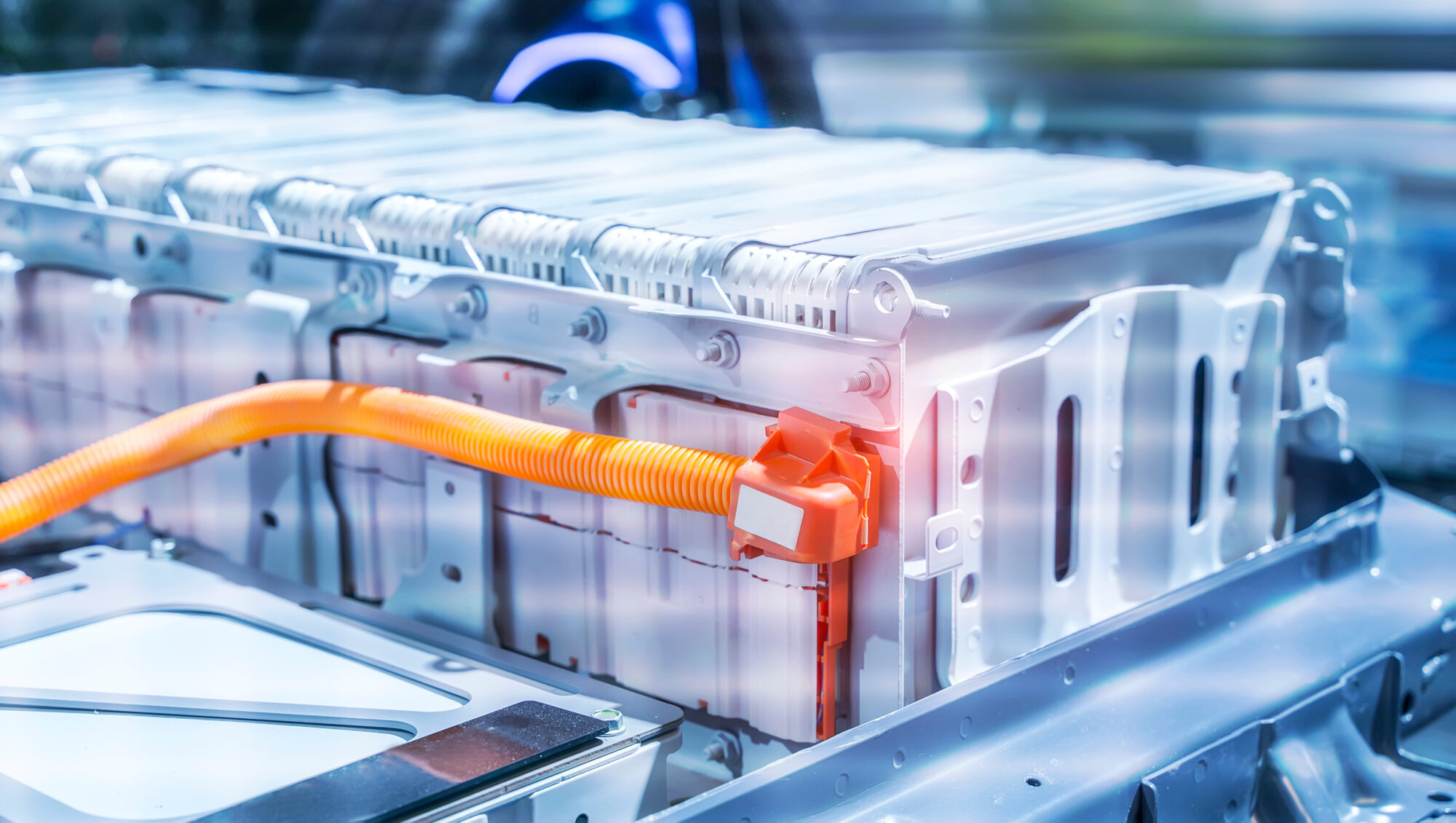
We've discussed how choosing the right casters can improve your operational pain points that affect your employee welfare, facility, and efficiency. However, there is another hidden benefit that can lead to significant cost savings and save your team a ton of time and hassle. While AGVs make our lives much easier, they require frequent monitoring to ensure sufficient battery charge. Here are some ways that using the right casters can extend AGV battery life and efficiency.

Vehicle Battery

Reducing Rolling Resistance

Rolling resistance is a key factor that affects how much energy an AGV or AMR needs to move. Casters with low rolling resistance require less force, reducing the energy drawn from the vehicle's battery. This can significantly extend battery life and reduce the frequency of recharging or battery replacements.

Rolling Resistance

Optimizing Energy Efficiency

Casters that can start and stop moving without requiring extra torque contribute to the overall energy efficiency of the system. By minimizing energy loss, AGVs and AMRs can operate longer on a single charge, increasing productivity and reducing downtime.

Energy Efficiency

Minimizing Unnecessary Strain

Casters that cause excessive drag or resistance can put unnecessary strain on the motors of AGVs and AMRs, leading to faster wear and tear and increased energy consumption. Selecting casters well-suited to the load and operating environment helps prevent this issue, extending the life of both the motor and the battery.

Minimize Strain

Innovations In Caster Technology for Warehouse Automation

Today, casters do more than get your materials from Point A to Point B. They come with a wide variety of features, from electrostatic dissipation to debris repellent, all of which help improve workflow and efficiency in your facility. Here are some recent innovations in caster technology that are helping improve warehouse automation operations.

Caster Innovation
Smart Casters

Smart Casters

Smart casters, equipped with sensors, monitor load, speed, temperature, and wear, providing data that optimizes the performance of automated systems. Integrated into IoT networks, these casters allow for real-time monitoring and predictive maintenance.

Advanced Materials

Advanced Materials

Casters made from high-quality materials, such as polyurethane treads and cast iron cores, offer enhanced durability and resistance to compression under sustained load. These materials are particularly beneficial for large, heavy AGVs and automated pallet transport systems operating across multiple shifts.

Shock Absorbing Casters

Shock-Absorbing Casters

Shock-absorbing casters protect automated systems and their cargo by reducing impact and vibration transmitted from the floor to the vehicle and its load. These casters allow AGVs, robots, and other automated equipment to move over uneven surfaces safely.

Case Studies and Real-World Applications

Automated Distribution Center

A large distribution center improved the efficiency of its AGVs and AMRs by upgrading to high-performance casters, resulting in reduced maintenance costs and increased uptime.
Read Case Study
Automated vehicle

FAQ: Choosing Casters for Warehouse Automation Systems

How do I optimize caster selection to support warehouse automation initiatives?

To optimize caster selection for warehouse automation, start by looking at how the cart, rack, or mobile equipment actually moves through the facility. Automated systems place different demands on casters than standard manual carts because they often involve repeated routes, continuous movement, precise positioning, and tighter performance expectations.

The most important factors to evaluate include load capacity, rolling resistance, wheel material, floor conditions, travel distance, speed, turning requirements, and whether the equipment will be moved manually, by tugger, or by an automated system.

The right caster setup can help improve tracking consistency, reduce vibration, lower energy consumption, protect floors, and minimize maintenance issues. For automated environments, it is especially important to choose casters that support predictable movement and long-term durability rather than relying on a standard caster that only meets the static load requirement.

How do I pick casters that perform well in both manual and tugger applications?

Carts used in both manual and tugger applications need casters that balance ergonomics with durability. A caster that is easy for an operator to push may not always hold up under repeated powered towing, while a caster built only for towing may be harder to move manually.

For mixed-use applications, look for casters that offer low rolling resistance, strong load capacity, durable wheel materials, and a rig design that can handle side loading, turning, and repeated movement. Wheel material and caster configuration are especially important because they affect push force, tracking, vibration, and long-term wear.

Solutions like CC Apex® and CC Nexus™ are strong options when ergonomic manual movement matters, while CC Dynamo™ 70D and CC Stark™ may be better suited for heavier or more demanding tugger and towline applications. The best choice depends on cart weight, floor conditions, tow speed, route length, and how often operators need to move the cart by hand.

How do I choose casters for use with cobots and collaborative robots?

Casters used with cobots and collaborative robots should support smooth, controlled, and predictable movement. Because cobots often work close to people, the equipment around them needs to move safely, quietly, and consistently.

When choosing casters for cobot applications, consider maneuverability, vibration reduction, floor protection, braking or locking needs, and how precisely the cart or workstation needs to be positioned. Low rolling resistance can make equipment easier to move, while high-quality polyurethane wheels can help reduce noise and vibration.

If the cobot is mounted to a mobile workstation, cart, or fixture, stability is especially important. The caster setup should support both easy movement and secure positioning once the equipment is in place. Depending on the application, swivel locks, brakes, ergonomic wheels, or custom caster configurations may help improve control and safety.

What caster solutions are available for high-speed sortation systems?

High-speed sortation systems require caster solutions that can handle repetitive movement, tight timing, and demanding facility conditions. In these environments, caster performance can affect equipment reliability, noise, vibration, and maintenance frequency.

The best caster solution depends on the equipment being moved, the load, floor conditions, speed, and whether the system uses carts, mobile racks, maintenance equipment, or support fixtures around the sortation line. Durable polyurethane wheels are often a strong fit because they can provide a balance of rolling performance, floor protection, and vibration reduction.

For heavier or more demanding applications, high-performance options like CC Dynamo™ 70D, CC Stark™, or other heavy-duty caster configurations may be appropriate. If the application involves sensitive equipment, frequent starts and stops, or precise movement around conveyors and automation, Caster Connection can help evaluate the best wheel material, caster configuration, and load rating for the system.

An Integral Part of Warehouse Automation

Casters are a critical component in warehouse automation systems, directly influencing tracking accuracy, battery efficiency, load stability, and long-term reliability. From ergonomic polyurethane solutions for light and moderate automation to heavy-duty casters built with CC Dynamo™ wheels and CC Forge™ or CC Brawn™ rigs, selecting the right configuration ensures continuous performance in demanding warehouse environments.

In automation, uptime is everything. The right caster system helps protect not just your equipment, but your entire workflow.

Have questions about optimizing your warehouse automation systems with the right casters?

Our experts are here to help. Connect with us through Caster Needs Eval for personalized advice, or contact a representative today to find the perfect casters for your automated systems.

Caster Connection Stacked FINAL FILES LB 72dpi