How CC Juggernaut Casters Help Load Banks Survive the Storm

When a hurricane wipes out power across an entire region, or a tornado leaves hospitals running on backup generators, there’s no time for equipment delays. Load banks, which are critical tools for testing and deploying emergency power systems, need to move fast and function flawlessly. And the unsung hero making that mobility possible? The caster.

In disaster zones, terrain is unpredictable, time is scarce, and every piece of gear must be reliable under pressure. That’s why choosing the right caster isn’t just a detail. It’s a vital part of any disaster-readiness strategy.
Why Load Banks Matter in Emergency Response

Load banks are essential in the aftermath of storms, floods, and blackouts. These devices simulate electrical loads to verify the performance of generators, battery systems, and temporary power installations before they go live. When deployed quickly, they help ensure that emergency systems are ready to deliver reliable power.
Here are a few examples of what load banks support in the field:
-
Restoring electricity to hospitals and critical care facilities
-
Powering up emergency response hubs and shelters
-
Testing backup systems for data centers and utility infrastructure
-
Supporting field operations for the military and national guard
Without load banks, emergency power can’t be trusted. Without the right casters, load banks can’t move.
Storm Zones Are Tough on Equipment

Disaster environments push equipment to its limits. Load banks are often rolled through mud, over debris, across gravel, and into service elevators. These conditions are especially harsh during storms when rain is pouring and urgency is high. That’s why the casters mobilizing your load banks must be built to handle it all.
Load banks are often rolled through challenging conditions, including:
-
Mud and flooded staging areas
-
Gravel lots and broken pavement
-
Debris-covered roads and work zones
-
Loading docks, ramps, and service elevators
In these environments, mobility solutions experience intense stress. Rain, debris, and uneven terrain place heavy demands on wheels and rigs.
Common environmental challenges include:
-
Rough terrain such as cracked concrete and loose gravel
-
Exposure to rain, wind, UV, and sudden temperature swings
-
Tight access points like narrow doorways and elevator entrances
-
High-pressure deployment schedules during emergency response
Caster failures in these conditions can jeopardize the entire operation.
Why the Right Casters Are Vital to Load Bank Mobility
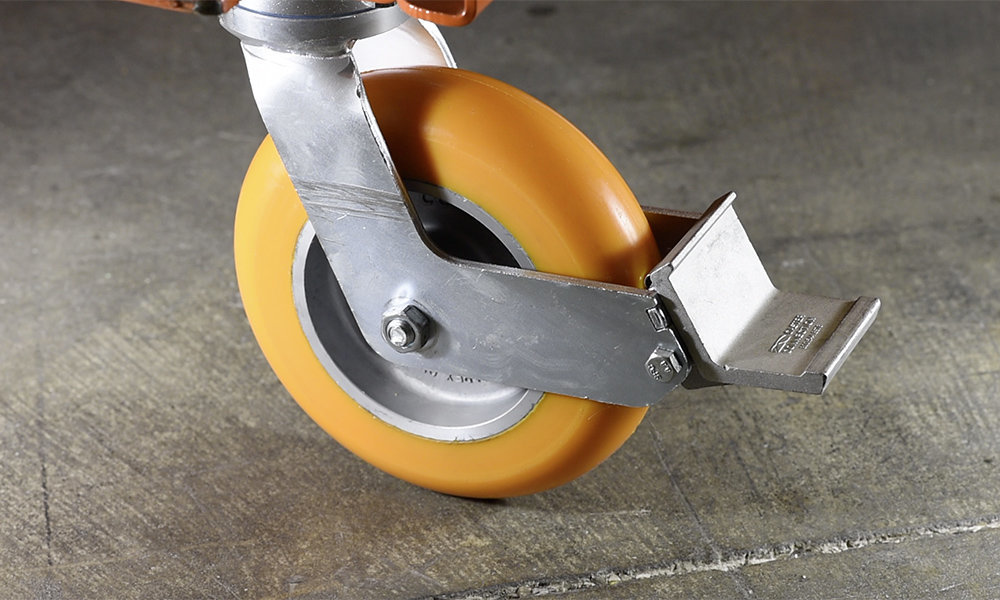
Casters are often overlooked in equipment design, but they serve as the primary point of contact between heavy equipment and the ground. The wrong caster can compromise everything from timing to safety.
In load bank deployments, casters must handle:
-
Heavy static weight
-
Vibration during transport
-
Frequent repositioning in tight spaces
When casters are not designed for these conditions, failures can occur quickly.
Typical failure scenarios include:
-
Wheels cracking under heavy load or vibration
-
Bearings failing after water exposure
-
Wheels jamming on debris
-
Structural failure from uneven loading
These issues can lead to serious problems such as:
-
Delays in emergency response
-
Damage to expensive equipment
-
Missed deployment windows
During disaster recovery operations, mobility directly impacts how quickly critical equipment can be deployed.
CC Juggernaut: Engineered for the Elements
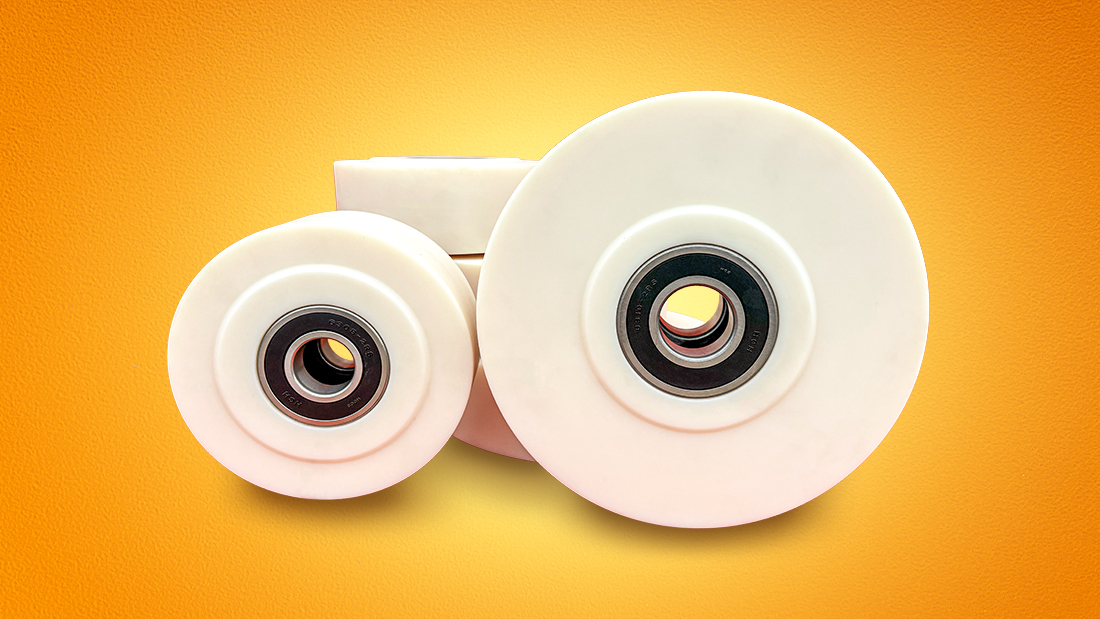
Load banks require casters that can handle extreme conditions while maintaining stability and durability. The CC Juggernaut caster is designed for super heavy-duty environments where debris, moisture, and load stress are common. Its cast nylon wheel construction provides exceptional durability compared to many traditional wheel materials.
Key advantages of CC Juggernaut casters include:
- High load capacity for large load bank units
- Excellent resistance to moisture and corrosion
- Durability in debris-heavy environments
- Strong resistance to impact and deformation
- Reliable performance under heavy static loads as well as manual movement
Cast nylon wheels also perform well in environments where softer wheels might tear, chunk, or degrade. For load banks that must survive outdoor staging, transportation, and repeated deployments, durability becomes essential.
CC Juggernaut 8" x 3" Cast Nylon Kingpinless Swivel Caster
SKU: CC-94CN-800300-40-TV
-
- Overall Height
- 10-1/2"
- Wt. Capacity
- 10,000 lbs.
- Wheel Width
- 3"
- Wheel Diameter
- 8"
CC Juggernaut 8" x 3" Cast Nylon Forged Kingpin Swivel Caster
SKU: CC-93CN-800300-40-TV
-
- Overall Height
- 10-1/2"
- Wt. Capacity
- 10,000 lbs.
- Wheel Width
- 3"
- Wheel Diameter
- 8"
CC Juggernaut 8" x 3" Cast Nylon Rigid Caster
SKU: CC-92CN-800300-40-TV
-
- Overall Height
- 10-1/2"
- Wt. Capacity
- 10,000 lbs.
- Wheel Width
- 3"
- Wheel Diameter
- 8"
CC Juggernaut 6" x 3" Cast Nylon Kingpinless Swivel Caster
SKU: CC-94CN-600300-40-TV
-
- Overall Height
- 8-1/2"
- Wt. Capacity
- 6,000 lbs.
- Wheel Width
- 3"
- Wheel Diameter
- 6"
CC Juggernaut 6" x 3" Cast Nylon Forged Kingpin Swivel Caster
SKU: CC-93CN-600300-40-TV
-
- Overall Height
- 8-1/2"
- Wt. Capacity
- 6,000 lbs.
- Wheel Width
- 3"
- Wheel Diameter
- 6"
CC Juggernaut 6" x 3" Cast Nylon Rigid Caster
SKU: CC-92CN-600300-40-TV
-
- Overall Height
- 8-1/2"
- Wt. Capacity
- 6,000 lbs.
- Wheel Width
- 3"
- Wheel Diameter
- 6"
The Storm-Ready Caster Checklist
If you're preparing for storm season, it’s essential to choose casters that meet specific performance criteria. A durable appearance isn’t enough. Your components must be designed for rapid deployment and rough terrain.
Look for casters with the following features:
- High load rating suitable for heavy equipment
- Durable wheel materials that resist debris damage
- Moisture-resistant components for wet environments
- Sealed bearings to prevent contamination
- Reliable brakes for staging stability
- Proper wheel size for rough terrain clearance
- Stable caster configurations with both swivel and rigid options
Selecting casters with these features helps ensure equipment remains reliable during demanding operations.
Meeting the Surge in Demand
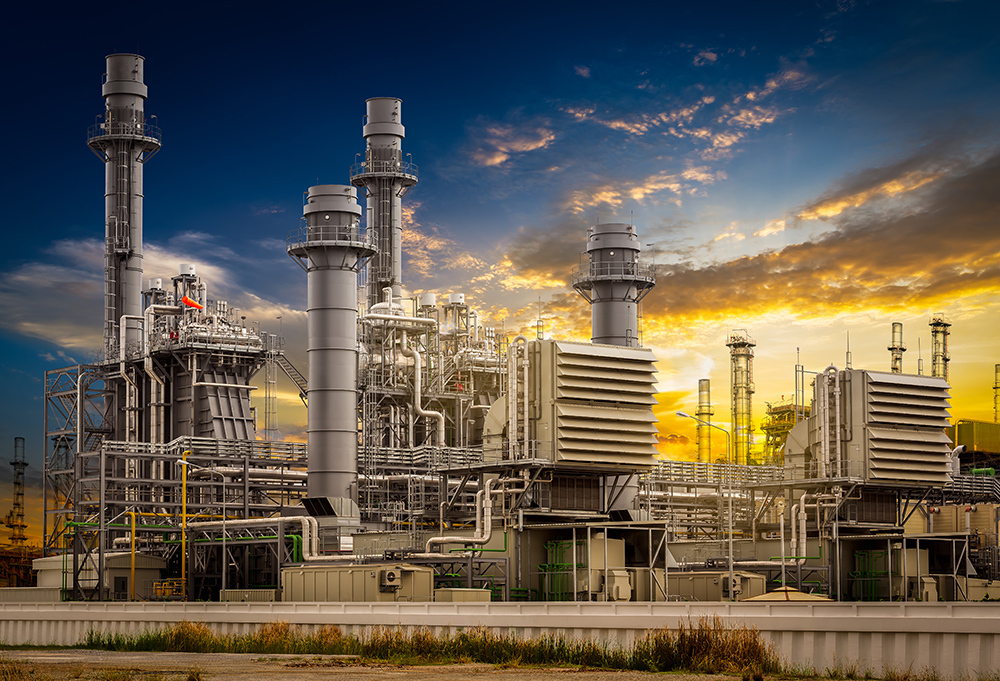
Caster performance has real-world consequences during disaster recovery operations.
One major rental partner initially forecasted a need for approximately 4,000 casters to support their load bank fleet. Within a year, that number doubled as climate-driven disasters increased in both frequency and severity.
Their equipment needed mobility solutions that could handle repeated deployments without failure.
By upgrading to heavy-duty nylon casters with corrosion-resistant rigs, they achieved:
-
Fewer field failures
-
Reduced maintenance service calls
-
Faster equipment deployment
-
Improved reliability during emergency response
When casters perform reliably, equipment can move quickly and safely into position.
Preparation Starts Now: Beat the Storm
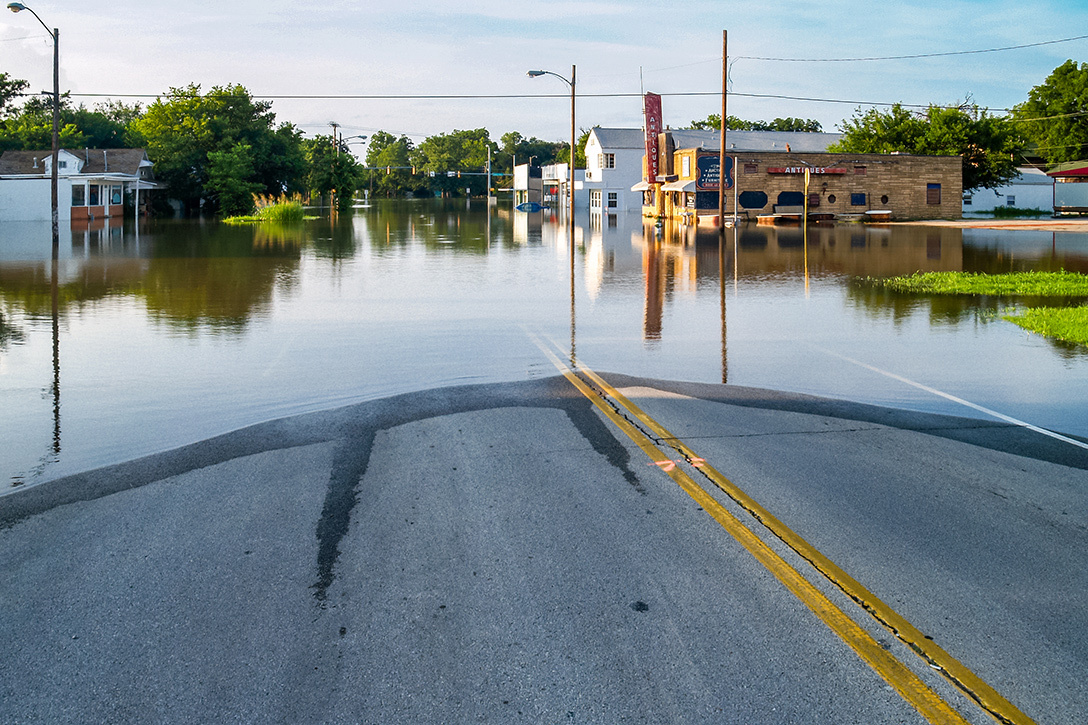
The next major storm is not a question of if. It’s a matter of when. And when it does arrive, your load banks and support equipment need to be ready.
Caster Connection doesn’t just provide wheels. We collaborate with disaster response teams, OEMs, and rental fleets to spec and supply mobility systems designed to perform when it matters most.
Whether your goal is to:
- Retrofit existing load banks
- Build new units for the field
- Prepare your inventory for the upcoming season
We have the expertise and product knowledge to support your mission.
Get Storm-Ready Today
Let’s build a caster solution that’s as ready for disaster as your team is. Request a free Caster Needs Eval with one of our Caster Nerds.
