Why Mobility Is the Most Overlooked Factor in Data Center Efficiency

Why Mobility Is the Most Overlooked Factor in Data Center Efficiency
Mobility is one of the most overlooked factors in data center efficiency because it affects how quickly equipment can be installed, repositioned, serviced, stabilized, and maintained. Casters, wheels, brakes, and floor locks influence movement effort, equipment stability, floor protection, downtime risk, maintenance access, and worker safety. In high-density data centers, mobility is not just about moving equipment; it is part of operational efficiency.
Most conversations about data center efficiency focus on what happens above the floor: power usage, cooling performance, rack density, redundancy, airflow management, automation, uptime, and server utilization. Those priorities matter. But they often overlook the physical layer of efficiency: how infrastructure moves through the facility.
Server racks, data cabinets, UPS systems, battery cabinets, cooling units, containment systems, load banks, maintenance carts, and modular infrastructure all depend on controlled movement. When that movement is difficult, inefficient, unsafe, or poorly planned, every downstream workflow becomes harder.
A data center can have advanced cooling, redundant power, and highly optimized compute infrastructure, but if equipment is difficult to move, position, stabilize, or service, the operation still loses efficiency.
That is why data center mobility deserves more attention.
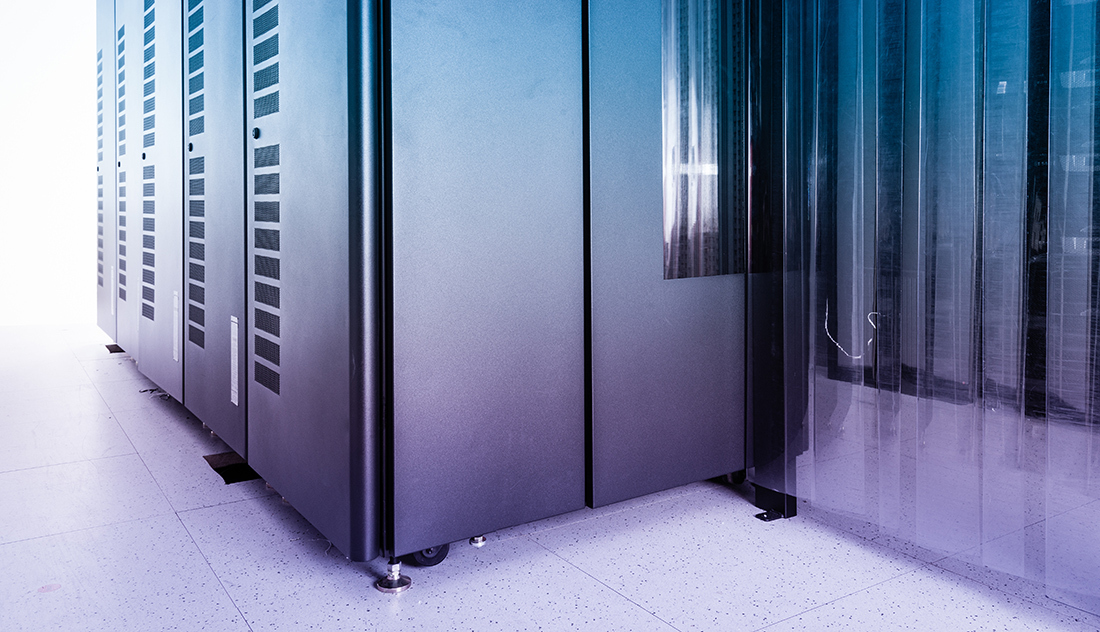
Data Center Efficiency Is Usually Measured Above the Floor
Data center efficiency is often discussed through performance metrics and infrastructure systems such as:
- Power usage effectiveness
- Cooling efficiency
- Rack density
- Energy consumption
- Server utilization
- Network redundancy
- Deployment speed
- Automation
- Space utilization
- Uptime performance
These are essential measurements, but they do not tell the full story. Many efficiency losses occur at floor level, where equipment has to be installed, moved, positioned, locked, maintained, repaired, and eventually replaced.
When mobility is overlooked, data center teams may experience:
- Slower installation timelines
- Higher labor requirements
- Harder maintenance access
- Increased push/pull force
- More difficult equipment positioning
- Greater risk of floor damage
- More strain on wheels, bearings, and caster assemblies
- Reduced flexibility during reconfiguration
- Higher safety risk during equipment movement
- Greater downtime exposure during service events
Data center mobility is the physical layer of operational efficiency. If equipment cannot be moved, positioned, stabilized, and serviced efficiently, the facility loses time, labor capacity, flexibility, and resilience.
This matters even more in modern data centers because infrastructure is becoming heavier, denser, and more complex. Hyperscale builds, AI workloads, liquid cooling systems, battery storage, and modular deployments are increasing the importance of controlled equipment movement.
What Does Mobility Mean in a Data Center?
Data center mobility is the ability to safely move, position, stabilize, service, and maintain critical infrastructure within the facility. It includes caster selection, wheel material, load capacity, braking systems, floor locks, floor conditions, movement paths, equipment weight, push/pull force, and maintenance access.
Mobility applies to a wide range of data center equipment, including:
- Server racks
- Data cabinets
- UPS systems
- Battery cabinets
- Cooling units
- Containment systems
- Load banks
- Modular infrastructure
- Maintenance carts
- Installation platforms
- Edge data center equipment
- AI and high-density compute systems
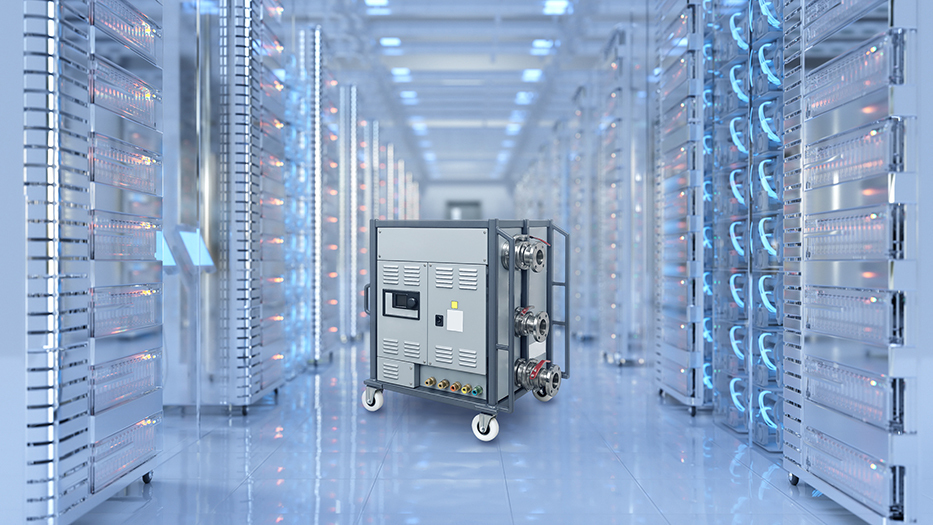
In other words, mobility is not just about whether equipment has wheels. It is about whether the equipment can move efficiently, stop securely, remain stable, protect the floor, support service access, and fit the operating environment.
For example, server rack casters may need to meet low-profile requirements, provide smooth movement in tight spaces, support stable positioning, or include electrostatic-dissipative options for sensitive electronics. Caster Connection’s server rack and data cabinet caster offerings include low-profile options for height-sensitive installations and ESD models designed to protect sensitive electronics from static discharge.
That is the kind of application-specific thinking data center mobility requires.
The best caster for data center equipment is not simply the caster with the highest load rating. It is the caster that matches the equipment weight, floor conditions, movement frequency, braking needs, stability requirements, clearance limitations, environmental requirements, and service workflow.
Why Mobility Is Often Overlooked
Mobility is often overlooked because it is easy to treat casters, wheels, brakes, and floor locks as small hardware decisions rather than operational efficiency decisions.
That mindset creates problems.
Mobility Is Often Treated as a Component, Not Infrastructure
Casters sit beneath the equipment. Because they are small compared to racks, cabinets, cooling systems, and power infrastructure, they may not receive the same attention during planning.
But the caster system is the physical interface between the equipment and the floor. It affects movement, positioning, stability, force transfer, floor protection, maintenance access, and worker effort.
When the wrong caster is selected, the issue may not appear immediately. The equipment may still roll. It may still support the load. It may still appear functional during initial installation. But over time, poor mobility can slow work, increase strain, damage floors, reduce stability, or create maintenance problems.
Mobility Problems Are Easy to Normalize
Data center teams often adapt to inefficient movement instead of solving it.
They may:
- Add more people to move heavy equipment
- Avoid repositioning equipment because movement is difficult
- Delay maintenance because access is inconvenient
- Accept excessive push/pull force as normal
- Replace wheels only after failure
- Use makeshift stabilization methods
- Work around poor braking performance
- Treat floor damage as unavoidable
These workarounds hide the true cost of poor mobility. The operation may keep functioning, but it becomes less efficient.
Caster Selection Is Sometimes Made Too Late
Mobility is often considered after the equipment has already been designed, purchased, or deployed. By that point, teams may be forced to work with caster systems that technically carry the load but do not optimize movement, floor protection, braking, or long-term serviceability.
For data centers, this is a missed opportunity. Caster selection should be part of the planning conversation earlier, especially for heavy equipment, high-density environments, sensitive electronics, and equipment that requires service access.
Mobility is overlooked because it is often treated as a component decision instead of an operational efficiency decision.
How Poor Mobility Creates Hidden Efficiency Losses
Poor mobility does not always create one obvious failure. More often, it creates a series of hidden inefficiencies that accumulate over time.

Slower Installation
Installation speed matters in data centers. Whether a facility is deploying a few racks or scaling a hyperscale environment, inefficient equipment movement can slow the entire process.
Poor caster selection may make equipment harder to push, turn, align, or stabilize. That slows placement and increases labor time.
Caster Connection’s hyperscale data center guidance notes that modern data center infrastructure, including server racks, containment systems, and battery storage, requires heavy-duty casters that can handle higher loads, and that poor mobility can slow installation, increase labor time, and create downstream delays.
Higher Labor Requirements
When equipment is difficult to move, teams often compensate by adding more people. That may help in the moment, but it increases labor costs and can create coordination challenges.
High push/pull force can also increase physical strain. If operators must force equipment into position, the risk of inconsistent handling, sudden movement, or overexertion increases.
Efficient mobility helps reduce unnecessary effort and makes movement more predictable.
Increased Maintenance Friction
Maintenance teams need access. If racks, cabinets, cooling systems, UPS systems, or battery cabinets are difficult to reposition, maintenance becomes slower and more disruptive.
Poor mobility can lead to:
- Longer service windows
- More complicated access procedures
- Delayed inspections
- Increased worker strain
- Greater risk of equipment or floor damage
- Reduced flexibility during emergency maintenance
Data center maintenance efficiency depends on the ability to access equipment safely and consistently. Mobility directly supports that access.
Greater Downtime Risk
Mobility problems can increase downtime risk when equipment must be moved during installation, repair, replacement, reconfiguration, or emergency response.
The issue is not that casters directly determine uptime by themselves. They do not. But they can influence how quickly teams can respond when physical access or equipment movement is required.
If a critical system is difficult to move, unstable when repositioned, or hard to secure after service, operational risk increases.
More Wear on Wheels, Bearings, and Floors
Poor caster selection can increase wear on wheels, bearings, and floor surfaces. A caster that is undersized, poorly matched to the floor, or not suited to movement frequency may degrade faster than expected.
Worn wheels can increase push/pull force. Damaged bearings can make movement inconsistent. Poor wheel material selection can mark, chip, or stress floors. Over time, these problems can create both maintenance costs and operational delays.
Reduced Facility Flexibility
Data centers change. Racks are added. Equipment is upgraded. Cooling systems evolve. AI infrastructure increases density. Maintenance needs shift. Layouts may need to be reconfigured.
If equipment is hard to move, the facility becomes less flexible.
A data center with efficient mobility can adapt more easily. A data center with poor mobility may delay changes, require more labor, or introduce unnecessary disruption during reconfiguration.
Every inefficient movement in a data center carries a cost: time, labor, risk, floor wear, equipment strain, or delayed service access.
The Link Between Mobility and Uptime
Data center uptime depends on more than redundancy. It also depends on how quickly and safely teams can access, service, move, replace, and stabilize physical infrastructure.
Mobility supports uptime by helping teams:
- Install equipment more efficiently
- Position equipment accurately
- Access systems for maintenance
- Replace infrastructure with less disruption
- Reconfigure layouts when operational needs change
- Move heavy equipment with better control
- Stabilize equipment during service
- Reduce avoidable handling delays
- Protect floors and equipment during movement
A facility may have backup power and redundant cooling, but physical service still matters. When a piece of infrastructure needs attention, teams must be able to access it. If movement is difficult or unstable, maintenance can take longer than necessary.
That is why mobility should be viewed as part of data center operational efficiency. It supports the practical work that keeps infrastructure available.
Mobility supports uptime by helping teams move, position, stabilize, and service equipment with less delay and disruption.
Why Caster Selection Matters for Data Center Efficiency
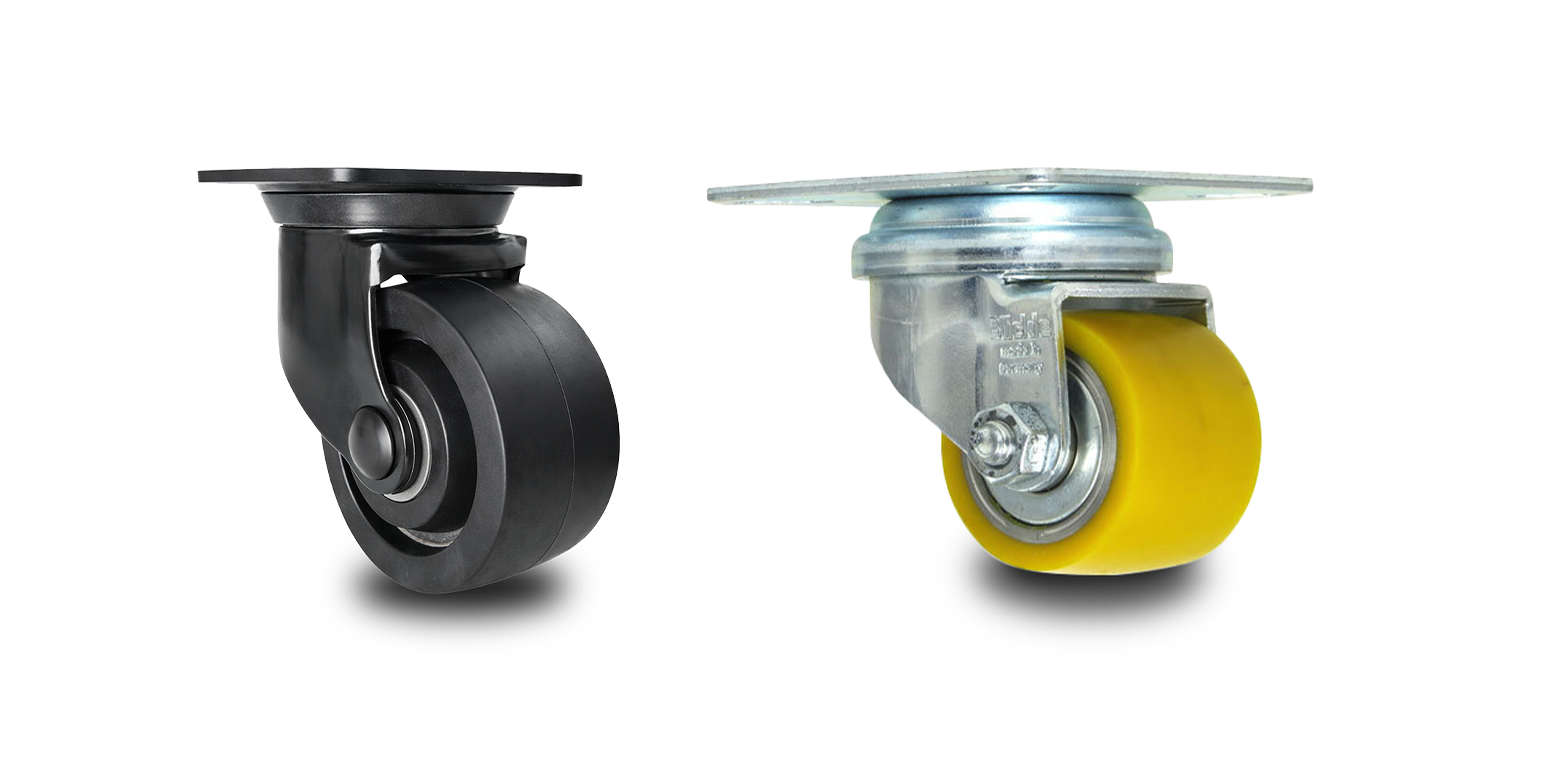
Data center caster selection affects how equipment moves, how much effort movement requires, how stable equipment remains, how floors are protected, and how service teams access critical systems.
The right caster system should be selected around the application, not just the equipment category.
Load Capacity
Load capacity is the starting point, but it should not be the only consideration.
A caster system should account for:
- Total equipment weight
- Load distribution
- Number of casters
- Center of gravity
- Dynamic forces during movement
- Starts, stops, and turns
- Floor conditions
- Safety margin
- Long-term wear
A caster may have a static load rating that appears sufficient, but movement changes the performance requirements. Turning, pushing, stopping, and uneven weight distribution can all affect how the caster performs in the real environment.
Wheel Material
Wheel material affects rolling resistance, shock absorption, floor protection, vibration transfer, noise, and movement effort.
Softer wheel materials may help with floor protection and vibration damping in some applications, but they may increase rolling resistance or deflection. Harder wheel materials may roll more efficiently and support higher loads in some environments, but they may transfer more vibration or create more floor impact depending on the surface and load.
The right wheel material depends on the equipment, floor, operating environment, and movement requirements.
Wheel Diameter
Wheel diameter affects ease of movement, clearance, obstacle handling, and stability.
Larger wheels may roll more easily over minor floor irregularities, but they may not work in height-sensitive applications. Smaller or low-profile casters may be required for server racks or cabinets with clearance constraints.
Bearing Selection
Bearings influence rolling performance, push/pull force, maintenance requirements, and long-term movement efficiency.
A wheel that carries the load but rolls poorly can still create efficiency problems. Bearing selection should be evaluated alongside wheel material, load, floor condition, and movement frequency.
Swivel Performance
Swivel performance affects maneuverability, turning effort, and operator control. In tight data center aisles or crowded deployment areas, the ability to maneuver equipment smoothly can make installation and maintenance faster and safer.
Poor swivel performance can create drag, uneven movement, or unpredictable steering.
Brake Strategy
Brakes affect positioning, stability, safety, service access, and drift prevention. Equipment that moves efficiently also needs to stop and remain positioned when required.
Total lock brakes can be useful when both wheel movement and swivel movement need to be restricted. Caster Connection’s total lock brake education explains that a total lock brake locks both the rig and the wheel itself.
Floor Compatibility
Caster performance depends on the floor.
Data centers may include:
- Raised floors
- Polished concrete
- Epoxy-coated surfaces
- Tight aisles
- Level transitions
- Floor protection requirements
- Static-sensitive environments
- High-value finished surfaces
A caster that performs well on one floor may not perform well on another. Floor compatibility affects movement effort, floor wear, vibration transfer, and long-term caster life.
Environmental Requirements
Some data center environments may require:
- ESD protection
- Low-profile casters
- Quiet movement
- Floor protection
- Heavy-load capacity
- Reduced vibration transfer
- Stainless or corrosion-resistant components
- Specific brake configurations
- Custom mounting options
Caster Connection’s server rack caster page highlights low-profile options for height-sensitive installations and electrostatic-dissipative models for sensitive electronics, making environmental requirements an important part of data center caster selection.
The best caster for data center equipment is not simply the caster with the highest load rating. It is the caster that matches the equipment weight, floor conditions, movement frequency, braking needs, stability requirements, and service environment.
The Most Common Data Center Mobility Mistakes
Data center mobility problems often start with selection mistakes that seem minor at first but become costly over time.

Mistake 1: Choosing Casters by Static Load Rating Only
Static load rating matters, but it does not tell the full story.
Data center equipment movement includes:
- Starting force
- Turning force
- Stopping force
- Uneven load distribution
- Floor conditions
- Movement frequency
- Operator control
- Long-term wear
A caster can support the equipment while still being inefficient, difficult to move, or poorly matched to the floor.
Mistake 2: Ignoring Push/Pull Force
Push/pull force is one of the most practical indicators of mobility efficiency. If equipment requires excessive force to move, the caster system may be increasing labor strain and slowing workflows.
A lower-friction, application-appropriate caster system can improve movement efficiency and reduce unnecessary operator effort.
Mistake 3: Using the Wrong Wheel Material
Wheel material should not be selected casually.
A harder wheel may roll efficiently but transfer more vibration or create floor impact. A softer wheel may protect floors or dampen vibration but increase rolling resistance or deflection. The wrong material can create maintenance problems, floor damage, difficult movement, or poor long-term performance.
Mistake 4: Treating Brakes as an Afterthought
Brakes are not just accessories. They affect positional control, drift prevention, service safety, and equipment stability.
In a data center, equipment often needs to remain precisely positioned. A poor brake strategy can create unnecessary risk during service or stationary use.
Mistake 5: Misusing Floor Locks
Floor locks can provide supplemental stationary support, but they are not the same as caster brakes. They are also not lifting devices.
Caster Connection’s floor lock guidance states that floor locks are intended for flat, even ground, should be matched to wheel diameter, and are not lifting devices or full-load-bearing supports.
Used correctly, floor locks can support stationary stability. Used incorrectly, they can create false confidence or performance issues.
Mistake 6: Forgetting Maintenance
Caster performance changes over time.
Wheels wear. Bearings degrade. Debris accumulates. Brakes loosen. Floor conditions change. Loads may increase as equipment is modified.
A caster system that performed well at installation may not perform the same after years of use. Regular inspection should be part of the mobility strategy.
Mistake 7: Applying One Caster Solution to Every Piece of Equipment
There is no one-size-fits-all caster for data center equipment.
A caster for a maintenance cart may not be appropriate for a server rack. A caster for a UPS system may not work for a cooling unit. A battery cabinet may require different load, floor protection, and stabilization considerations than a modular edge deployment.
Caster Connection’s data center caster guidance emphasizes that there is no one-size-fits-all answer when selecting casters for data center equipment and server racks.
Application-specific evaluation is the best way to avoid these mistakes.
Server Rack Mobility: Small Movement, Big Operational Impact
Server racks may not move every day, but when they do need to move, mobility matters.
Installation, reconfiguration, maintenance, service access, and replacement all depend on controlled movement. If racks are difficult to position or stabilize, teams may lose time, increase labor requirements, and raise the risk of equipment or floor damage.
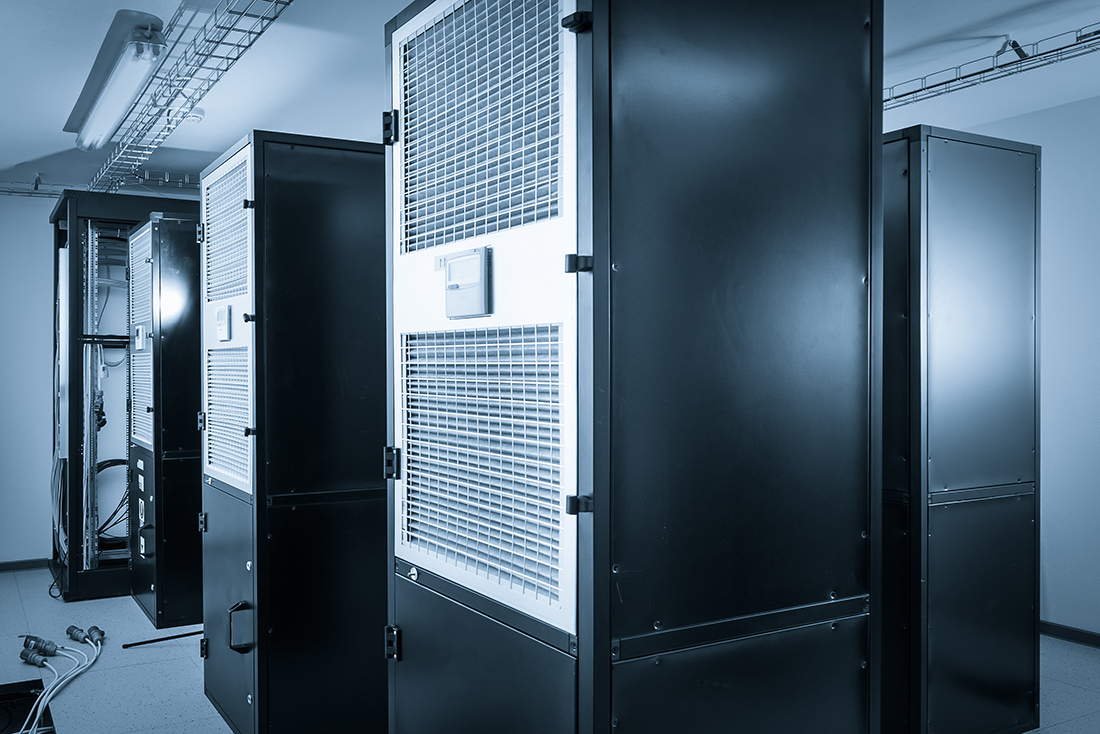
Server rack caster selection should consider:
- Rack weight
- Equipment density
- Low-profile requirements
- Floor clearance
- ESD needs
- Cable strain
- Stability during service
- Brake or lock requirements
- Aisle width
- Maintenance access
- Vibration sensitivity
- Floor protection
- Movement frequency
This is especially important in dense environments where small changes in rack position can affect access, airflow, cable routing, or service clearance.
A server rack mobility strategy should answer practical questions:
- How heavy is the rack when fully loaded?
- How often does the rack need to move?
- What floor surface will the caster contact?
- Are there height restrictions?
- Are ESD casters required?
- Does the rack need total lock brakes?
- Does the movement path include thresholds or floor transitions?
- Will cables or utilities limit movement?
- How will the rack remain stable during service?
Server rack mobility may seem like a small detail, but it can have a significant impact on deployment efficiency, maintenance access, and long-term serviceability.
Heavy Equipment Mobility in Data Centers
Modern data centers include more than server racks. UPS systems, battery cabinets, cooling infrastructure, load banks, and modular equipment often introduce heavy-load mobility challenges.
As equipment becomes heavier, caster selection becomes more technical.
UPS Systems
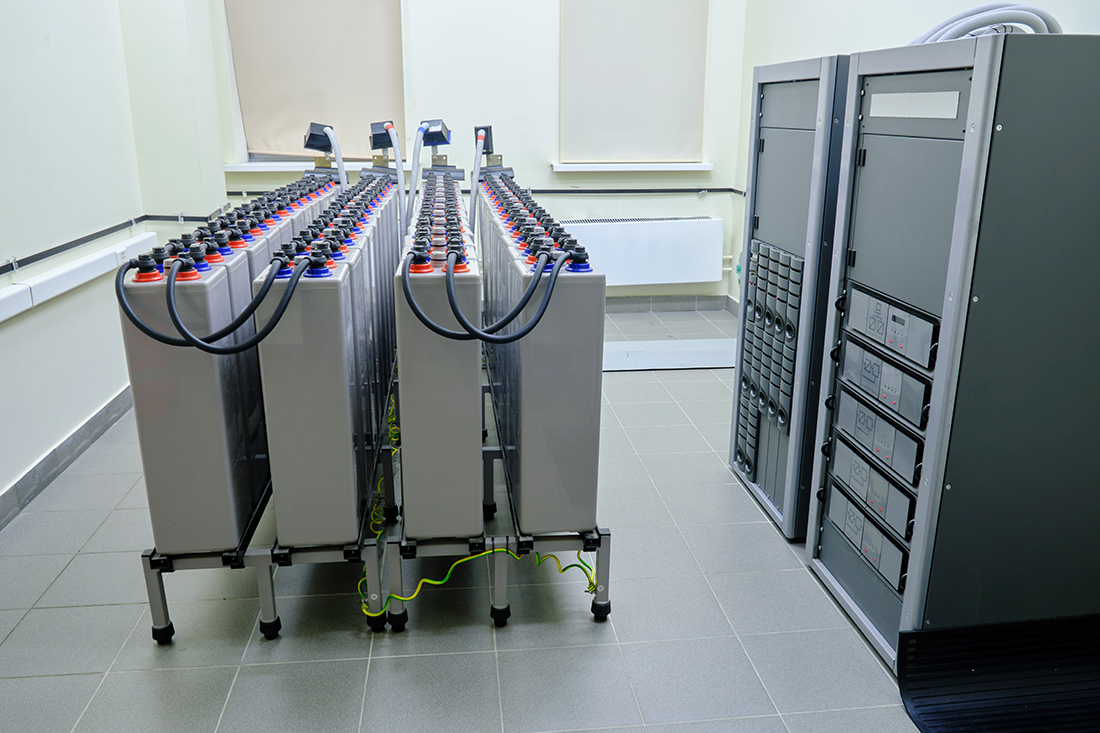
UPS systems are critical to data center continuity. They can also be heavy, sensitive, and difficult to move without the right mobility system.
Casters for UPS systems should account for:
- High static load
- Load distribution
- Electrical connections
- Maintenance access
- Stability during service
- Floor loading
- Brake requirements
- Movement frequency
- Utility connection protection
A UPS system may only need to move during installation or service, but when it does, movement must be controlled. Poor mobility can make service more difficult and increase risk during repositioning.
Battery Cabinets
Battery cabinets may concentrate significant weight in a compact footprint. Battery cabinet casters should be selected with attention to both load and stability.
Key considerations include:
- Weight concentration
- Floor protection
- Safety-critical positioning
- Load distribution
- Service access
- Brake or floor lock requirements
- Utility connections
- Inspection requirements
Battery systems can be operationally critical, so mobility planning should account for more than movement. It should include stationary stability, safe service access, and floor interaction.
Cooling Infrastructure
Cooling infrastructure is becoming more complex as data centers support denser compute environments and liquid cooling systems.
Mobility choices for cooling infrastructure should account for:
- Equipment weight
- Alignment
- Liquid connections
- Vibration sensitivity
- Thermal continuity
- Maintenance access
- Connection strain
- Floor interaction
- Service clearances
Cooling systems may require mobility for installation, maintenance, or reconfiguration, but they also need stable positioning and utility protection.
Modular and Hyperscale Infrastructure
Large-scale deployment amplifies mobility problems.
In a hyperscale environment, a small inefficiency repeated hundreds or thousands of times can become a major operational cost. Poor mobility can slow installation, increase labor needs, and create downstream delays. Caster Connection’s data center infrastructure case study describes custom carts supporting modular assemblies weighing up to and exceeding 20,000 pounds, showing how mobility engineering can become critical in data center construction and deployment environments.
As data center equipment becomes heavier and more specialized, mobility planning becomes an engineering decision rather than a simple parts selection decision.
Mobility, Safety, and Ergonomics in Data Center Operations
Data center efficiency is not only about speed. It is also about safety and control.
When equipment is difficult to move, employees may compensate with more force, awkward positioning, or additional personnel. Over time, poor mobility can contribute to ergonomic strain, inconsistent handling, and unsafe movement practices.
Mobility affects safety by influencing:
- Push/pull force
- Turning effort
- Equipment control
- Stopping distance
- Drift prevention
- Floor traction
- Stability during service
- Worker strain
- Number of people required to move equipment
- Predictability of movement
A properly selected caster system can help improve control, reduce unnecessary effort, and make maintenance workflows more predictable.
This matters in data centers because equipment can be heavy, expensive, sensitive, and difficult to access. A movement error may damage infrastructure, delay work, or create a safety hazard.
Good mobility supports better ergonomics by making equipment easier to start, steer, stop, and stabilize. It also helps teams use repeatable processes instead of improvising with every move.
Total Lock Brakes, Floor Locks, and Stability
Movement is only one side of mobility. The other side is stability.
Data center equipment must be able to move when needed and remain stable when stationary. That is where brakes and floor locks become important.

Total Lock Brakes
Total lock brakes restrict both wheel rotation and swivel movement. This can help improve positional control and reduce caster drift.
Total lock brakes may be useful for:
- Server racks
- Data cabinets
- Maintenance carts
- Service platforms
- Equipment that must remain positioned during work
- Applications where swivel drift creates instability or alignment issues
Because total lock brakes lock both the wheel and swivel movement, they can provide a higher level of caster immobilization than wheel-only braking options.
Floor Locks
Floor locks add supplemental stationary contact with the floor. They can help stabilize carts, tables, and equipment when stationary, but they should be used correctly.
Floor locks are not lifting devices. They are not designed to carry the full weight of the application. Caster Connection states that floor locks are intended as supplemental support only and cannot carry the full weight of the application.
Floor locks may support efficiency when they help equipment remain stationary during service, loading, or maintenance. However, they should be selected based on floor conditions, wheel diameter, equipment load, and workflow requirements.
Total Lock Brakes vs. Floor Locks
Feature |
Total lock brakes |
Floor locks |
Primary role |
Lock wheel and swivel movement |
Add stationary contact with the floor |
Best for |
Positional control and reducing caster drift |
Supplemental stationary support |
Efficiency impact |
Helps equipment stay positioned during service |
Helps reduce unwanted movement when parked |
Key caution |
Must match application and load needs |
Not a lifting device or full-load support |
Best evaluated with |
Wheel material, load, floor, movement path |
Wheel diameter, floor condition, stability needs |
Brakes and floor locks improve efficiency when they help teams position, stabilize, and service equipment safely. They should be selected based on the equipment, floor, load, and workflow rather than added as an afterthought.
AI Data Centers Make Mobility More Important
AI infrastructure is changing the physical demands placed on data centers.
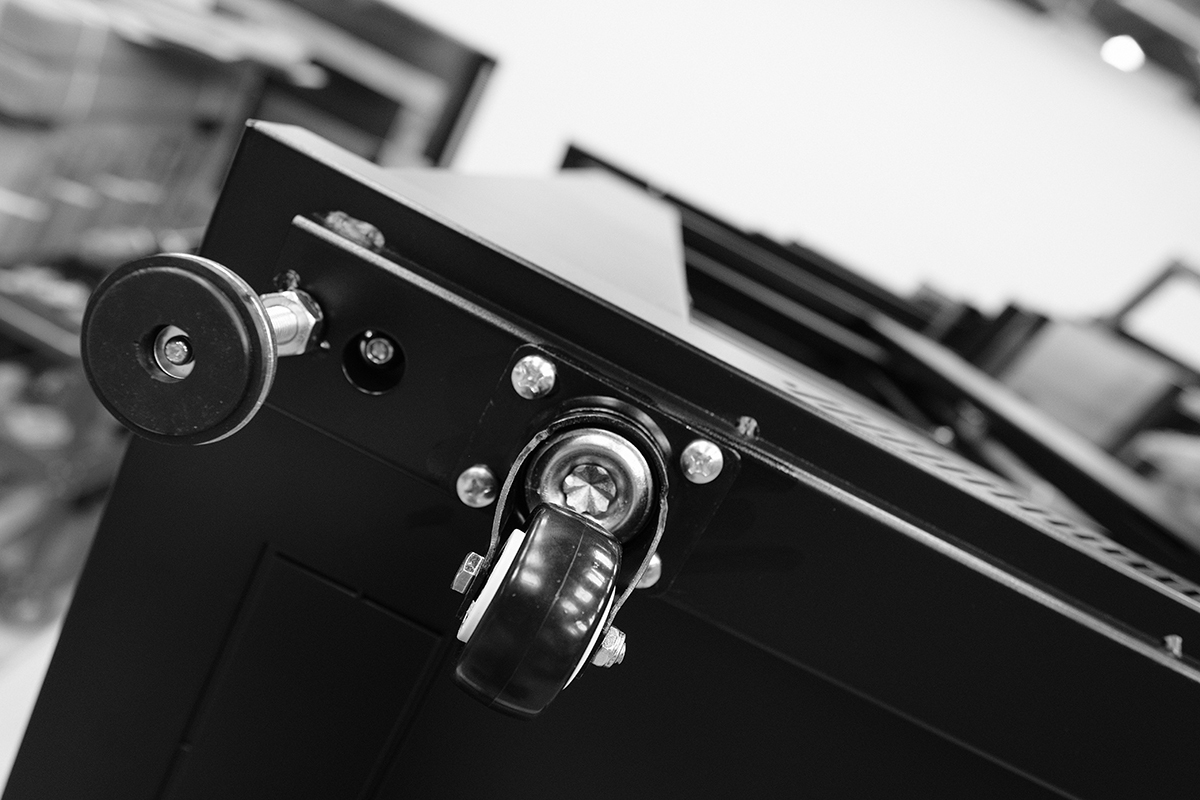
AI data centers often involve:
- Heavier racks
- Higher rack densities
- GPU clusters
- Liquid cooling infrastructure
- More concentrated loads
- More complex utility connections
- Less tolerance for disruption
- Greater serviceability challenges
- More expensive equipment
- Higher thermal interdependence
AI infrastructure makes mobility more important because the physical equipment is heavier, more valuable, more thermally complex, and often more tightly integrated with surrounding systems.
As racks become heavier and cooling systems become more connected, caster selection must account for:
- Load concentration
- Floor interaction
- Wheel material
- Braking strategy
- Service access
- Push/pull force
- Floor protection
- Utility connection flexibility
- Long-term maintainability
AI data center efficiency depends not only on compute performance and cooling capacity, but also on the ability to move, position, stabilize, and service increasingly heavy infrastructure.
This is where AI data center rack mobility becomes a strategic issue. The heavier and more connected the infrastructure becomes, the more important it is to evaluate mobility before it becomes a bottleneck.
How Mobility Supports Data Center Efficiency Across the Equipment Lifecycle
Mobility is not a one-time installation concern. It affects the entire lifecycle of data center equipment.
Lifecycle stage |
How mobility affects efficiency |
Manufacturing |
Supports movement of large assemblies and modular systems |
Delivery |
Helps equipment transition from dock to deployment area |
Installation |
Reduces labor and time required for positioning |
Commissioning |
Supports final placement, alignment, and inspection |
Operation |
Helps equipment remain stable and serviceable |
Maintenance |
Improves access and reduces disruption |
Reconfiguration |
Makes layout changes faster and safer |
Replacement |
Supports equipment removal with less downtime risk |
Expansion |
Helps facilities scale without compounding movement inefficiencies |
A data center mobility strategy should consider how the equipment will move at every stage. Equipment may need one mobility profile during installation, another during operation, and another during service or replacement.
That is why mobility planning should start early.
The caster system selected for a server rack, UPS unit, cooling system, or battery cabinet should support not only the first move into position but also the maintenance and service needs that follow.
Data Center Mobility Efficiency Checklist
Use this checklist to evaluate whether mobility is helping or hurting data center efficiency.
Data Center Mobility Evaluation Checklist
- Is the equipment difficult to move, turn, or position?
- Does movement require more people than expected?
- Are operators using excessive force to start or steer equipment?
- Are wheels showing premature wear?
- Are floors being marked, damaged, or stressed?
- Are casters rated for both static and movement-related demands?
- Is the load evenly distributed across all casters?
- Does the caster system account for the equipment’s center of gravity?
- Are brakes easy to engage and reliable when stationary?
- Are floor locks used correctly and only where appropriate?
- Does the wheel material match the floor surface?
- Does the caster system support required clearance?
- Are ESD requirements being considered for sensitive equipment?
- Is push/pull force acceptable for operators?
- Are maintenance teams able to access equipment efficiently?
- Does the mobility system support future reconfiguration?
- Are caster systems inspected on a regular schedule?
- Are wheels, bearings, brakes, and mounting hardware maintained?
- Has the facility completed a formal caster needs evaluation?
A data center mobility evaluation should review equipment weight, load distribution, wheel material, floor conditions, caster configuration, brake strategy, floor locks, movement frequency, push/pull force, maintenance access, and environmental requirements such as ESD protection or low-profile clearance.
Why a Caster Needs Evaluation Can Improve Data Center Efficiency
A data center may not need a complete equipment redesign to improve mobility. Sometimes the issue is a caster that does not match the load. Sometimes it is the wrong wheel material for the floor. Sometimes it is a brake strategy that does not fit the workflow. Sometimes worn wheels or bearings are creating unnecessary movement resistance.
A Caster Needs Evaluation can help identify these issues before they become larger operational problems.
Caster Connection describes its Caster Needs Evaluation as a complementary service that helps take the guesswork out of caster selection and maintenance by identifying issues, improving efficiency, and extending caster lifespan.

A Caster Needs Evaluation can help identify:
- Worn or underperforming casters
- Excessive push/pull force
- Incorrect wheel material
- Mismatched load capacity
- Inefficient movement paths
- Poor braking performance
- Floor compatibility issues
- Maintenance concerns
- Safety risks
- Opportunities to reduce downtime and costs
- Opportunities to improve long-term performance
Caster Connection’s evaluation process can be customized to the facility’s needs, whether the team needs a quick caster recommendation or a more detailed assessment.
For data centers, that application-specific approach is especially important. Server racks, UPS systems, battery cabinets, cooling infrastructure, modular deployments, and maintenance systems all have different mobility requirements.
A standard caster recommendation may not be enough for high-value, heavy, sensitive, or frequently serviced infrastructure.
Request a Caster Needs Evaluation to review your equipment, floor conditions, movement paths, caster performance, braking needs, and maintenance requirements.
The Bottom Line: Efficient Data Centers Need Efficient Movement
Data centers are built around speed, reliability, uptime, and control. But those goals depend on more than power systems, cooling systems, servers, and software. They also depend on the physical ability to move, position, stabilize, and service critical infrastructure.
Mobility may be overlooked because it happens at floor level. But when mobility fails, the effects are felt across the operation:
- Slower installation
- Harder maintenance
- Higher labor demands
- Greater worker strain
- Equipment handling risk
- Floor damage
- Caster wear
- Poor positional stability
- Reduced flexibility
- Avoidable downtime exposure
Data center efficiency is not only digital. It is physical.
Casters, wheels, brakes, and floor locks may be small compared to the equipment they support, but they influence how efficiently that equipment moves through its lifecycle. The right mobility system can support smoother installation, better maintenance access, safer handling, more reliable positioning, and long-term operational flexibility.
In modern data centers, mobility is not just movement.
It is efficiency in motion.
Frequently Asked Questions
What is data center mobility?
Data center mobility is the ability to safely move, position, stabilize, service, and maintain critical infrastructure such as server racks, UPS systems, battery cabinets, cooling equipment, modular systems, and maintenance equipment. It includes caster selection, wheel material, load capacity, braking systems, floor locks, movement paths, floor conditions, and service access.
Why is mobility important for data center efficiency?
Mobility affects installation speed, maintenance access, worker safety, equipment positioning, floor protection, and downtime risk. Poor mobility can slow operations, increase labor requirements, create handling challenges, damage floors, and make equipment harder to service.
How do casters affect data center efficiency?
Casters affect how easily equipment moves, how much force operators need, how well floors are protected, how stable equipment remains, and how efficiently maintenance teams can access critical systems. Data center caster selection should account for load, floor conditions, wheel material, braking needs, clearance, movement frequency, and environmental requirements.
What are the best casters for server racks?
The best server rack casters depend on rack weight, floor conditions, clearance requirements, ESD needs, locking requirements, and how often the rack needs to move. There is no one-size-fits-all answer. Server rack caster selection should be based on the complete application.
Are total lock brakes useful in data centers?
Yes. Total lock brakes can be useful when equipment needs improved positional stability because they lock both wheel rotation and swivel movement. They should be selected based on the specific load, floor surface, equipment type, and workflow requirements.
Are floor locks the same as caster brakes?
No. Caster brakes restrict caster movement, while floor locks add supplemental stationary contact with the floor. Floor locks are not lifting devices and should not be treated as full-load supports. They should be selected based on wheel diameter, floor conditions, equipment stability needs, and application requirements.
Why does AI infrastructure make mobility more important?
AI data centers often use heavier racks, denser equipment, liquid cooling, and tighter operational tolerances. These factors make load capacity, floor interaction, braking, service access, utility flexibility, and caster selection more important.
What should a data center mobility evaluation include?
A data center mobility evaluation should include equipment weight, load distribution, caster configuration, wheel material, brake strategy, floor locks, floor conditions, push/pull force, maintenance access, clearance requirements, ESD considerations, movement frequency, and long-term maintenance needs.
Can better caster selection reduce downtime?
Better caster selection can help reduce avoidable service delays by making equipment easier to move, position, stabilize, and access. Casters alone do not guarantee uptime, but mobility planning can support faster maintenance, safer handling, and more efficient equipment replacement or reconfiguration.
When should a data center request a Caster Needs Evaluation?
A data center should consider a Caster Needs Evaluation when equipment is difficult to move, casters wear out too quickly, floors are being damaged, push/pull force is excessive, brakes are not performing well, maintenance access is inefficient, or new heavy equipment is being installed.