Seismic-Ready Data Centers: Why Stability Requires More Than Anchoring
Seismic-Ready Data Centers: Why Stability Requires More Than Anchoring
A seismic-ready data center protects more than the building structure. It also manages how nonstructural systems such as server racks, UPS systems, battery cabinets, cooling equipment, cables, and mobility systems respond to shaking, vibration, acceleration, and displacement. The objective is controlled stability: limiting dangerous movement while reducing damaging force transfer into critical infrastructure.
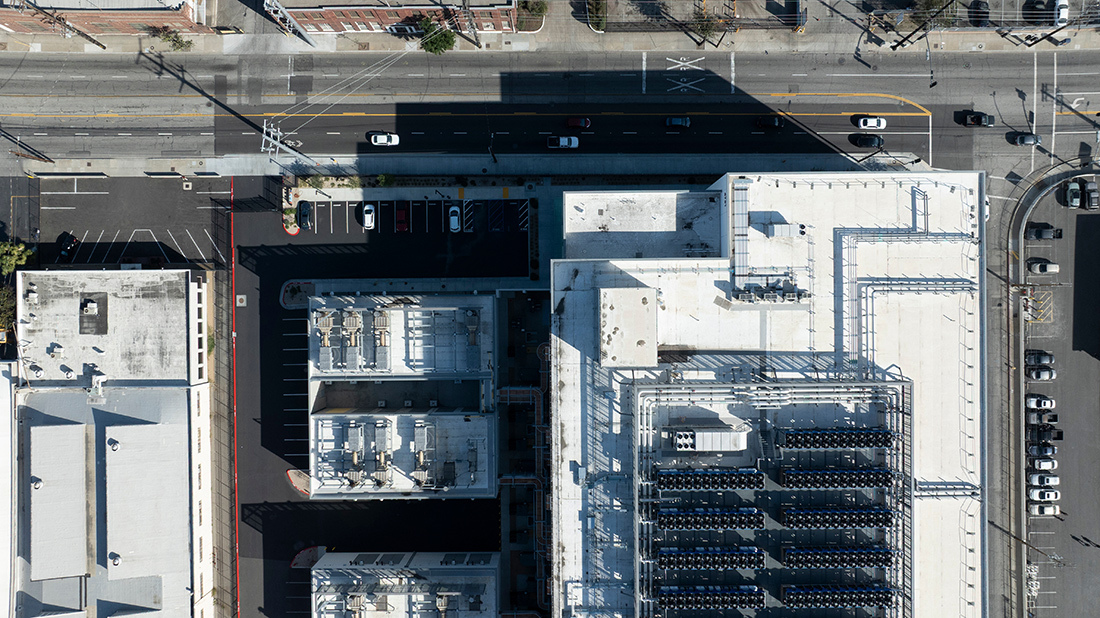
Modern data centers are engineered for uptime. Redundant power, backup generation, thermal management systems, network failover, and monitoring platforms are all designed to keep infrastructure operating during disruption. But seismic events introduce a different kind of risk.
Earthquakes do not simply test whether a building can remain standing. They introduce dynamic forces that move through an entire infrastructure ecosystem. Floors shift. Structures oscillate. Equipment vibrates. Utility connections strain. Server racks, cooling systems, UPS units, battery cabinets, and cable pathways may all experience rapidly changing forces that conventional redundancy alone cannot resolve.
For data center operators, facilities teams, and infrastructure engineers, this changes the seismic readiness conversation. The question is no longer only, “Will the building survive?” The more operationally important question is, “How will the infrastructure inside the building behave during and after a seismic event?”
That distinction is where mobility, restraint, isolation, vibration management, and caster system design become part of the larger conversation around engineered stability.
Modern Data Centers Are Built for Uptime, But Earthquakes Create a Different Challenge
Data centers are designed around continuity. Every major infrastructure layer is typically built with backup capacity, redundancy, or failover in mind. If one power source fails, another can support the load. If a cooling system is interrupted, supplemental thermal infrastructure may come online. If a network path is disrupted, traffic may be rerouted.
Seismic events challenge data centers in a different way because they introduce complex physical forces across multiple systems at once.
During an earthquake, infrastructure may experience:
- Acceleration
- Vibration
- Oscillation
- Dynamic loading
- Equipment displacement
- Rack migration
- Cable strain
- Utility connection stress
- Shock transfer
- Temporary or lasting misalignment
A building can remain structurally sound while the equipment inside it still experiences movement, vibration, or connection strain. That is why data center seismic readiness must account for both structural and nonstructural behavior.
Structural survivability matters. Anchoring systems matter. Rigid restraint methods matter. But they are not the entire picture.
Nonstructural infrastructure can become vulnerable even when the building performs as intended. A server rack that shifts only slightly may strain cables. Cooling equipment that vibrates or moves may affect thermal stability. A battery cabinet, UPS system, or containment component that migrates from its intended position may create maintenance hazards or operational interruptions.
In other words, seismic resilience is not only a structural engineering challenge. It is also an operational continuity challenge.
Why Nonstructural Infrastructure Matters in Seismic-Ready Data Centers
In a data center, seismic readiness depends not only on whether the building survives, but also on how the equipment inside the building behaves during and after the event.
Nonstructural infrastructure includes the systems and components that support data center operation but are not part of the building’s primary structural frame. In a data center environment, this can include:
- Server racks and cabinets
- UPS systems
- Battery cabinets and battery storage systems
- Cooling equipment
- Liquid cooling infrastructure
- Containment systems
- Cable management systems
- Utility connections
- Power distribution equipment
- Maintenance carts and service platforms
- Mobility systems, including casters, wheels, brakes, and floor locks
- Modular and edge data center infrastructure
These systems may not be structural in the traditional building-code sense, but they are operationally critical. If they move, vibrate, disconnect, misalign, or become difficult to service after a seismic event, uptime may be affected.
This is especially important in high-density environments where physical tolerances are shrinking. In a dense data hall, a small amount of displacement may have outsized consequences. Cable runs may have limited slack. Cooling pathways may depend on precise alignment. Liquid cooling lines may have less tolerance for movement than traditional air-cooled infrastructure. Maintenance access may be constrained by narrow aisles or tightly packed equipment rows.
For seismic-ready data centers, the goal is not only to protect hardware from catastrophic displacement. It is also to preserve the relationships between connected systems: racks, floors, cables, utilities, cooling loops, power systems, and service pathways.
The Seismic Engineering Question Has Changed
Historically, seismic preparation often focused on structural reinforcement, anchoring systems, rigid restraint methodologies, and building survivability. Those priorities remain essential, but modern data center environments require a broader lens.
The old question was:
Will the building survive?
The new question is:
How will the infrastructure inside the building behave during and after a seismic event?
This shift matters because the operational risk inside a data center is not limited to structural collapse. Even when the structure remains intact, internal systems can experience movement or force transfer that affects continuity.
A server rack may not tip over, but it may still experience vibration that stresses sensitive components. A UPS system may remain upright, but its utility connections may be strained. A cooling unit may stay in place, but alignment changes or vibration transfer may affect performance. A mobile or semi-mobile piece of equipment may remain serviceable, or it may become a hazard depending on how its mobility system responds.
This is why the next phase of data center seismic readiness requires a systems-engineering mindset. Stability must be evaluated across the full infrastructure ecosystem, not only at the building level.
Why Modern Data Center Trends Increase Seismic Vulnerability
Data center infrastructure is evolving quickly. Hyperscale growth, AI acceleration, edge deployments, and increasingly dense compute environments are changing the physical demands placed on facilities.
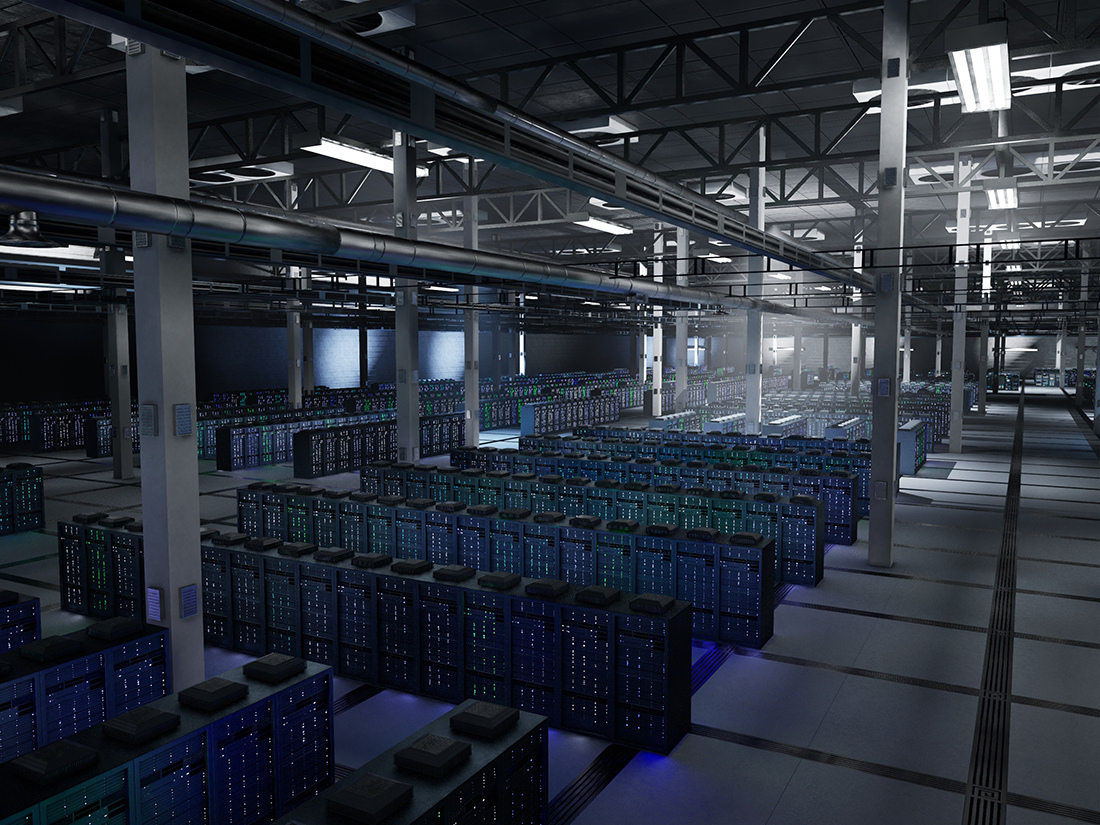
Several trends are increasing the importance of seismic-ready infrastructure planning:
- Hyperscale facilities are expanding infrastructure footprints.
- AI compute clusters are driving heavier rack loads.
- GPU-dense environments are increasing localized weight and power density.
- Liquid cooling systems are expanding across high-performance environments.
- Battery systems are scaling larger.
- Thermal systems are becoming more complex and interconnected.
- Edge deployments are placing infrastructure in more varied site conditions, including urban environments.
- Operational tolerances are shrinking as uptime expectations increase.
As data centers become denser, heavier, and more thermally interdependent, the margin for equipment movement decreases. Even limited displacement can create cable strain, cooling disruption, rack misalignment, utility connection stress, and maintenance hazards.
This is one reason AI data center seismic risk deserves particular attention. AI infrastructure often combines high rack weights, dense compute loads, advanced cooling requirements, and tighter serviceability constraints. These factors can make movement, vibration, and alignment more consequential than they might be in less dense environments.
The more interconnected the infrastructure becomes, the more important it is to understand how movement in one system may affect another.
Why Seismic Readiness Is Not Only About Preventing Movement
One of the most important concepts in modern seismic infrastructure planning is that preventing movement and minimizing vibration transfer are related, but separate priorities.
A highly rigid restraint system may help prevent equipment from drifting, rolling, sliding, or tipping. That is valuable. In many applications, preventing catastrophic displacement is a primary objective.
However, rigidity can also create a more direct pathway for seismic energy to move into the equipment structure. If a server rack is bolted firmly to the floor, the rigid connection may reduce the risk of movement, but seismic forces can transfer directly into the rack and its sensitive components.
By contrast, an isolation or damping system may allow limited, controlled displacement. That movement may seem counterintuitive, but in some applications it can reduce the acceleration forces transferred into the equipment. The system moves slightly so that less damaging energy reaches the critical infrastructure it supports.
The lesson is not that equipment should be loose. It is not that anchoring is ineffective. It is not that mobility should replace restraint.
The lesson is that restraint, isolation, damping, and controlled displacement must be evaluated together.
A seismic-ready strategy may need to answer several questions at once:
- How much movement is acceptable?
- How much movement is dangerous?
- How sensitive is the equipment to vibration and shock?
- Could rigid restraint increase force transfer?
- Could controlled displacement reduce acceleration?
- Do cables, utilities, or cooling lines have enough flexibility?
- How will equipment be inspected and serviced after a seismic event?
- How does the mobility system interact with the floor?
The best strategy depends on the application, the equipment, the facility, the seismic risk profile, and the operational requirements.
Controlled Stability: A Better Framework for Seismic-Ready Infrastructure
Controlled stability is an engineering approach that limits catastrophic equipment movement while managing vibration, acceleration, energy transfer, utility strain, and serviceability.
This concept is useful because it moves the conversation beyond a simple rigid-versus-mobile mindset. The goal is not always to eliminate every possible form of movement. The goal is to control the right kinds of movement while reducing the wrong kinds of force transfer.
Controlled stability considers the relationship between:
- Mobility
- Restraint
- Isolation
- Damping
- Controlled displacement
- Operational flexibility
- Serviceability
- Vibration management
- Energy dissipation
- Utility flexibility
- Floor interaction
- Maintenance access
In seismic-ready data centers, stability is not a single product feature. It is a system outcome.
A rigid anchor may support one stability objective. A vibration isolation platform may support another. A wheel material may influence damping and shock transfer. A total lock brake may improve positional stability. A floor lock may change how equipment couples to the floor. Cable management and utility flexibility may determine whether controlled movement creates strain or remains within acceptable limits.
The strongest seismic strategies evaluate these elements as part of one infrastructure ecosystem.
Why Mobility Systems Belong in the Seismic Conversation
Casters, wheels, brakes, and floor locks are often viewed as operational hardware. They help equipment move, position, stop, or remain stationary during routine facility operations. In seismic-sensitive data centers, however, mobility systems can influence more than day-to-day movement.

They may affect:
- Equipment positioning
- Floor coupling
- Vibration pathways
- Load distribution
- Rack migration
- Serviceability
- Maintenance access
- Floor interaction
- Movement control
- Shock transfer
- Long-term equipment stability
In seismic-sensitive data centers, mobility systems are not just about moving equipment. They are part of how equipment interfaces with the floor, responds to vibration, and remains serviceable over time.
For example, wheel material selection may influence how much vibration is transmitted into the supported equipment. Softer or elastomeric wheel materials may offer greater damping in certain applications, while harder wheel materials may provide higher load capacity or improved rolling efficiency. Brake design may influence positional stability, but highly rigid locking may also change how force transfers through the equipment. Floor locks may help reduce movement, but they also create a direct pressure interface with the floor.
None of these choices should be made in isolation.
A caster system that works well for a maintenance cart may not be suitable for a heavy AI rack. A wheel material that performs well on one floor may not deliver the same result on another. A brake strategy that supports stability in one application may be too rigid or insufficient in another.
That is why mobility planning should be included in broader seismic-sensitive infrastructure conversations, especially for high-value, heavy, vibration-sensitive, or utility-connected equipment.
Why AI Data Centers Raise the Stakes
AI infrastructure is accelerating the importance of seismic-sensitive mobility and stability planning.
AI data centers often involve:
- Heavier GPU racks
- Higher rack densities
- Higher localized loads
- More complex thermal systems
- Liquid cooling connections
- More thermally interdependent infrastructure
- Less tolerance for equipment displacement
- More demanding serviceability requirements
As rack weights increase and thermal systems become more interconnected, the consequences of movement can become more severe. A small shift in equipment position may affect cable strain, coolant line flexibility, maintenance access, or thermal performance.
AI infrastructure may also increase the importance of damping and stabilization. Heavy, dense equipment can behave differently under vibration than lighter infrastructure. Load distribution, center of gravity, wheel material, braking strategy, and floor conditions all become more important as equipment becomes heavier and less tolerant of disruption.
This does not mean every AI data center requires the same mobility system. It means AI environments should be evaluated with additional care.
A mobility strategy for AI infrastructure may need to account for:
- Higher-capacity caster systems
- Load distribution across the equipment footprint
- Floor protection
- Braking and locking requirements
- Vibration sensitivity
- Utility and liquid cooling connection flexibility
- Service access
- Long-term maintainability
- Compatibility with restraint, isolation, and damping strategies
As AI data center infrastructure continues to scale, seismic readiness will increasingly depend on how well the entire equipment ecosystem is stabilized, protected, and maintained.
A Multi-Layered Approach to Seismic-Ready Data Centers
No single component solves seismic risk independently.
A seismic-ready data center may rely on multiple mitigation strategies working together, including:
- Seismic-rated racks
- Anchoring systems
- Flexible utility connections
- Vibration isolation platforms
- Dampening materials
- Isolation mounts
- Controlled displacement systems
- Mobility and braking solutions
- Cable restraint systems
- Monitoring sensors and accelerometers
- Maintenance and inspection planning
Each layer serves a different purpose.
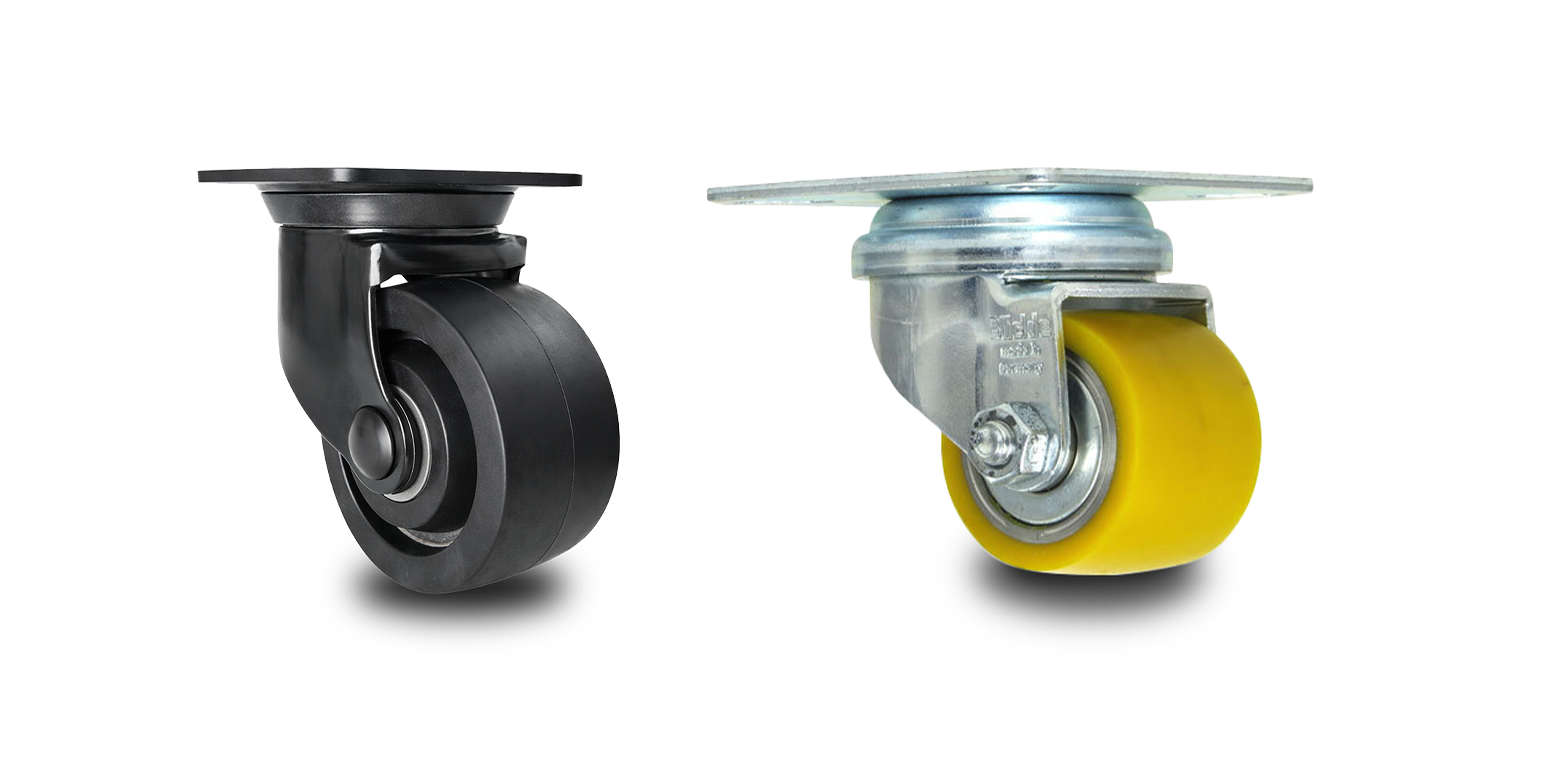
Anchoring and restraint may help prevent catastrophic displacement. Isolation and damping may help manage vibration transfer. Flexible utility connections may reduce the risk of strain during controlled movement. Cable restraint systems may support organization and reduce hazards. Monitoring systems may help teams understand how equipment responds during and after an event. Mobility and braking solutions may support serviceability, positioning, and floor interaction.
The challenge is not simply choosing more protective features. The challenge is understanding how those features interact.
For example, a rigid restraint strategy may limit rack migration but increase force transfer. A vibration isolation system may reduce shock transfer but require careful planning for allowable displacement. A floor lock may improve stationary support but alter floor coupling. A caster brake may improve positional stability but should be evaluated against equipment sensitivity, floor conditions, and the broader seismic design approach.
Seismic-ready data center planning should therefore be collaborative. Structural engineers, facilities teams, infrastructure operators, thermal system designers, equipment manufacturers, and mobility specialists all bring important perspectives.
The most effective strategy is rarely a single intervention. It is a coordinated approach to controlled stability.
How Caster Connection Supports Seismic-Sensitive Mobility Planning
At Caster Connection, the conversation is not simply about selecting a wheel or brake. It is about understanding how mobility systems support the broader operational environment.
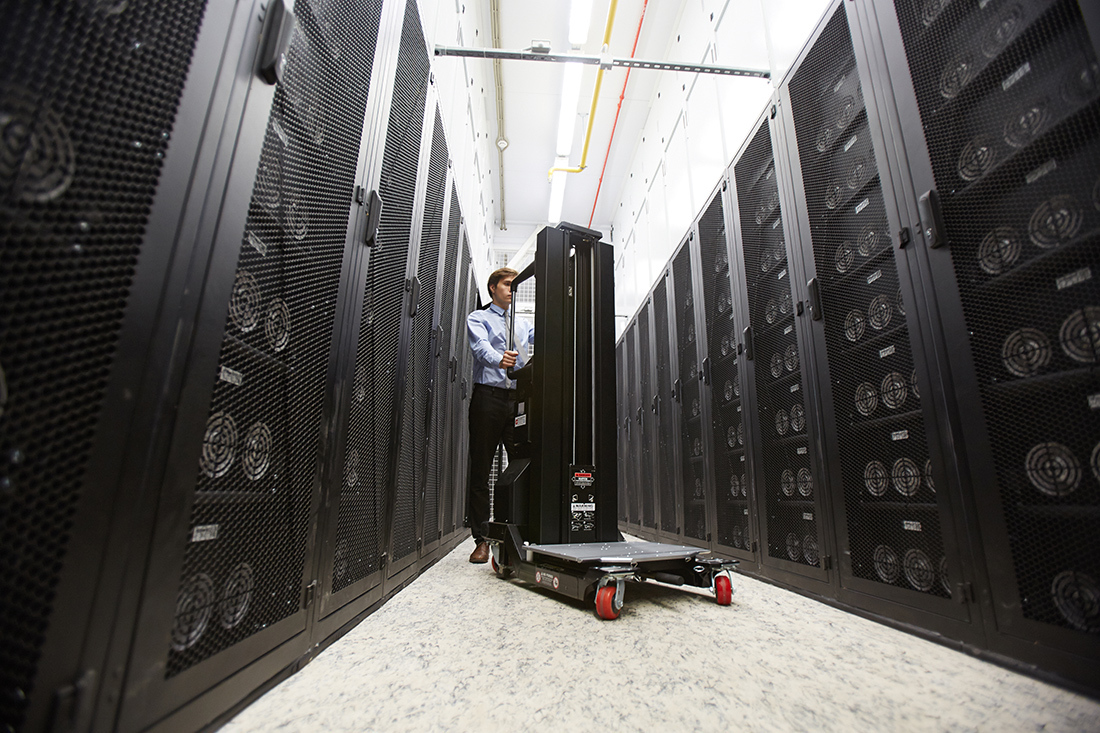
In seismic-sensitive data centers, caster selection may require a deeper review of:
- Equipment weight
- Load distribution
- Center of gravity
- Floor conditions
- Floor interaction
- Wheel material performance
- Brake and floor lock strategy
- Vibration considerations
- Stabilization objectives
- Utility and cable flexibility
- Operational requirements
- Maintenance access
- Long-term serviceability
A mobility system optimized for one application may not be appropriate for another. Heavy AI racks, UPS systems, cooling infrastructure, battery cabinets, modular edge deployments, and maintenance equipment can each require different approaches to wheel material selection, brake strategy, floor coupling, displacement control, and vibration management.
That is why application-specific evaluation matters.
Caster Connection can help facilities teams and infrastructure operators think through how mobility systems interact with the rest of the data center environment. The goal is to provide practical, informed recommendations that support stability, serviceability, and operational continuity.
Engineering Note
Caster, wheel, brake, and floor lock recommendations should be evaluated alongside the facility’s seismic design criteria, equipment manufacturer requirements, rack specifications, utility connections, and applicable codes. Mobility systems should not be positioned as replacements for seismic anchoring, rack certification, or qualified structural and seismic engineering review. They should be considered one part of a broader seismic mitigation and operational continuity strategy.
Request a Caster Needs Evaluation
Seismic-ready environments require more than a standard caster recommendation. Caster Connection can help evaluate equipment weight, floor conditions, mobility requirements, wheel material performance, braking strategy, vibration considerations, and stabilization goals to support a more informed infrastructure plan.

Whether evaluating high-density server racks, UPS systems, cooling infrastructure, modular deployments, maintenance mobility systems, or seismic-sensitive equipment environments, a Caster Needs Evaluation can help identify the mobility factors that may affect equipment stability and serviceability.
A structured evaluation may include:
- Reviewing equipment weight and load distribution
- Assessing floor conditions and travel paths
- Evaluating caster configuration and wheel material
- Reviewing brake and floor lock requirements
- Considering vibration and shock transfer concerns
- Discussing stabilization objectives
- Accounting for maintenance and service access
- Supporting a broader controlled stability strategy
In seismic-ready environments, mobility is no longer just about movement.
It is about engineered stability.
Request a Caster Needs Evaluation with our team of Caster Nerds.
Frequently Asked Questions
What makes a data center seismic-ready?
A seismic-ready data center is designed to protect both the building and the critical infrastructure inside it. This includes racks, UPS systems, batteries, cooling equipment, cable pathways, utility connections, and mobility systems. The goal is to reduce catastrophic movement, manage vibration transfer, protect utility connections, preserve serviceability, and support operational continuity.
Is anchoring enough to protect data center equipment during an earthquake?
Anchoring is important, but it is not the entire strategy. Data centers also need to consider vibration transfer, equipment migration, cable strain, utility flexibility, serviceability, and post-event operational continuity. A rigid anchoring strategy may help reduce movement, but it may also increase the transfer of seismic force into sensitive equipment depending on the application.
What is controlled stability?
Controlled stability is an engineering approach that limits dangerous movement while also managing vibration, acceleration, force transfer, energy dissipation, utility strain, and serviceability. In seismic-ready data centers, controlled stability helps teams think beyond simply stopping movement and toward managing how equipment behaves as part of a larger infrastructure system.
Why are AI data centers more sensitive to seismic movement?
AI data centers often use heavier racks, denser GPU clusters, liquid cooling systems, and more complex thermal infrastructure. These factors can reduce tolerance for displacement, vibration, and utility connection strain. As AI infrastructure becomes heavier and more interconnected, load distribution, damping, braking strategy, floor interaction, and serviceability become increasingly important.
Why do mobility systems matter in seismic-ready data centers?
Mobility systems influence how equipment interfaces with the floor. Casters, wheels, brakes, and floor locks can affect positioning, floor coupling, vibration pathways, load distribution, equipment migration, and maintenance access. In seismic-sensitive environments, these systems should be evaluated as part of the broader stability and vibration management strategy.
Can casters make data center equipment seismic-rated?
Casters alone should not be described as making equipment seismic-rated. Seismic readiness depends on the full system, including the building design, racks, anchoring, restraint, isolation, floor conditions, utility connections, and engineering requirements. Casters and mobility systems may support stability and serviceability goals when properly evaluated within the broader infrastructure plan.