Engineering Mobility for Extreme Loads in Data Center Infrastructure Construction

A rapidly growing U.S.-based data center infrastructure manufacturer partnered with Caster Connection to engineer a safe, scalable mobility solution for transporting massive modular assemblies weighing up to and exceeding 20,000 pounds. These assemblies are built on custom carts, rolled into position within active construction environments, and then lifted by crane for permanent installation—making caster reliability and safety non-negotiable. Caster Connection designed a high-capacity, over-engineered caster system using solid cast nylon wheels to provide extreme load support, redundancy, and long-term durability while reducing cart complexity. The result was a standardized, safety-first mobility solution that improved confidence during material handling, optimized cart design, and scaled seamlessly with the customer’s rapid growth in data center construction.
Executive Summary
A rapidly expanding U.S.-based manufacturer specializing in data center white-space infrastructure required a mission-critical mobility solution to safely transport massive modular assemblies during installation.
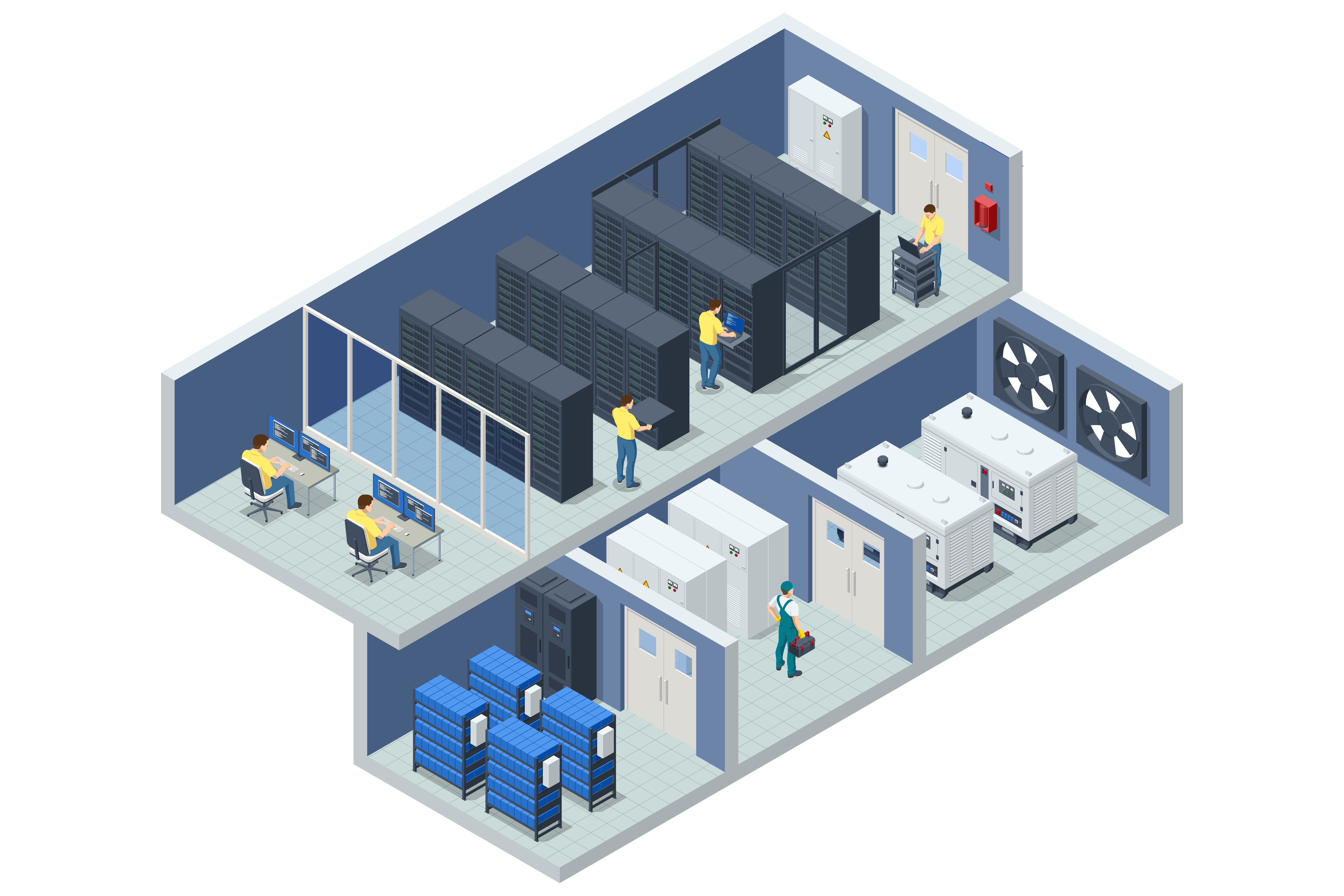
These assemblies — weighing up to and exceeding 20,000 pounds — are built on custom carts, rolled into position inside active construction environments, and then lifted by crane for permanent installation.
Failure was not an option.
Caster Connection partnered with the customer to engineer a heavy-duty, safety-redundant caster system that could withstand extreme static and dynamic loads while supporting long-term scalability as data center construction accelerated nationwide.
Industry Context: Mobility in Modern Data Center Construction
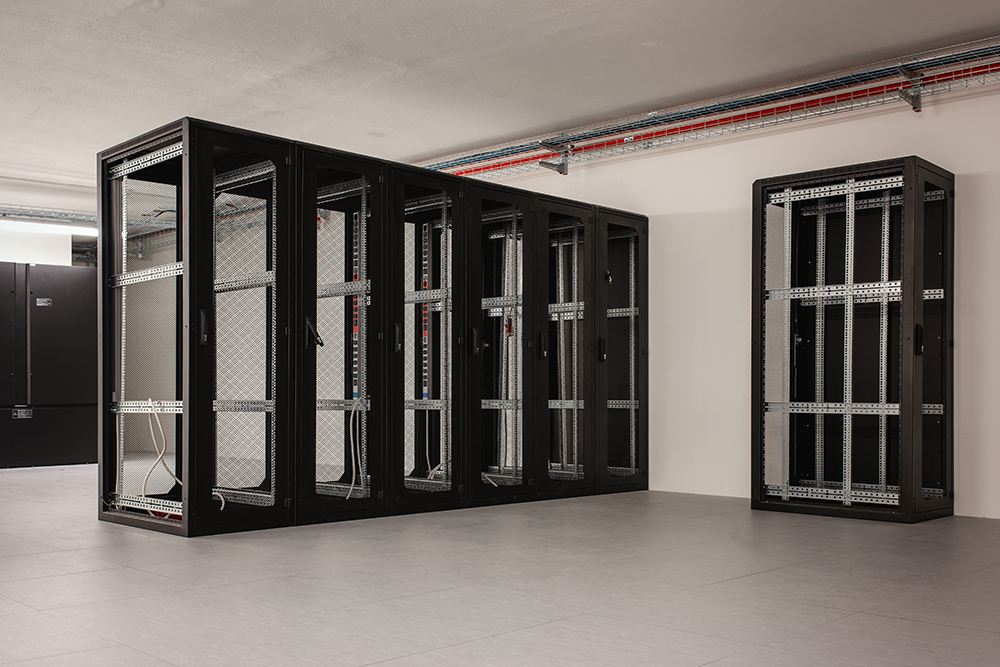
The rapid growth of hyperscale and colocation data centers has transformed how infrastructure is built:
- Larger, heavier modular components
- Faster build timelines
- Tighter safety requirements
- Zero tolerance for downtime or injury
Manufacturers and contractors supporting these builds must now move structural assemblies that rival industrial machinery in weight, often within partially completed or occupied facilities.
In this environment, caster and wheel selection becomes a structural and safety decision, not a commodity purchase.
The Application: Moving Massive Modular Assemblies
The customer designs and fabricates large, integrated white-space infrastructure units that are:
- Assembled off-site or in staging areas
- Placed onto custom-fabricated heavy-duty carts
- Rolled or tugged into position within the facility
- Lifted by crane and secured in place

Each cart must support:
- Extremely high static loads
- Uneven load distribution during movement
- Dynamic forces caused by starts, stops, and floor transitions
- Safety redundancy in the event of temporary caster unloading
The Challenge: Safety, Reliability, and Scale
This application introduced a unique set of challenges driven by extreme loads, safety requirements, and the need for a scalable design. The customer needed a solution that prioritized engineering certainty over theoretical ratings.

Extreme Load Requirements
Individual carts routinely supported 10,000–20,000+ pounds, demanding casters far beyond standard industrial ratings.

Safety-Critical Environment
Caster failure could result in equipment damage, project delays, and/or serious injury or loss of life.

Wheel Limitations
Early wheel concepts included machined nylon options, which raised concerns about the hub cracking cracking under sustained loads, long-term durability, and the performance under operating conditions.

Over-Engineered Cart Designs
Initial carts used six casters to compensate for lower confidence in wheel capacity — increasing cost, complexity, and maintenance.
Caster Connection’s Engineering-First Approach
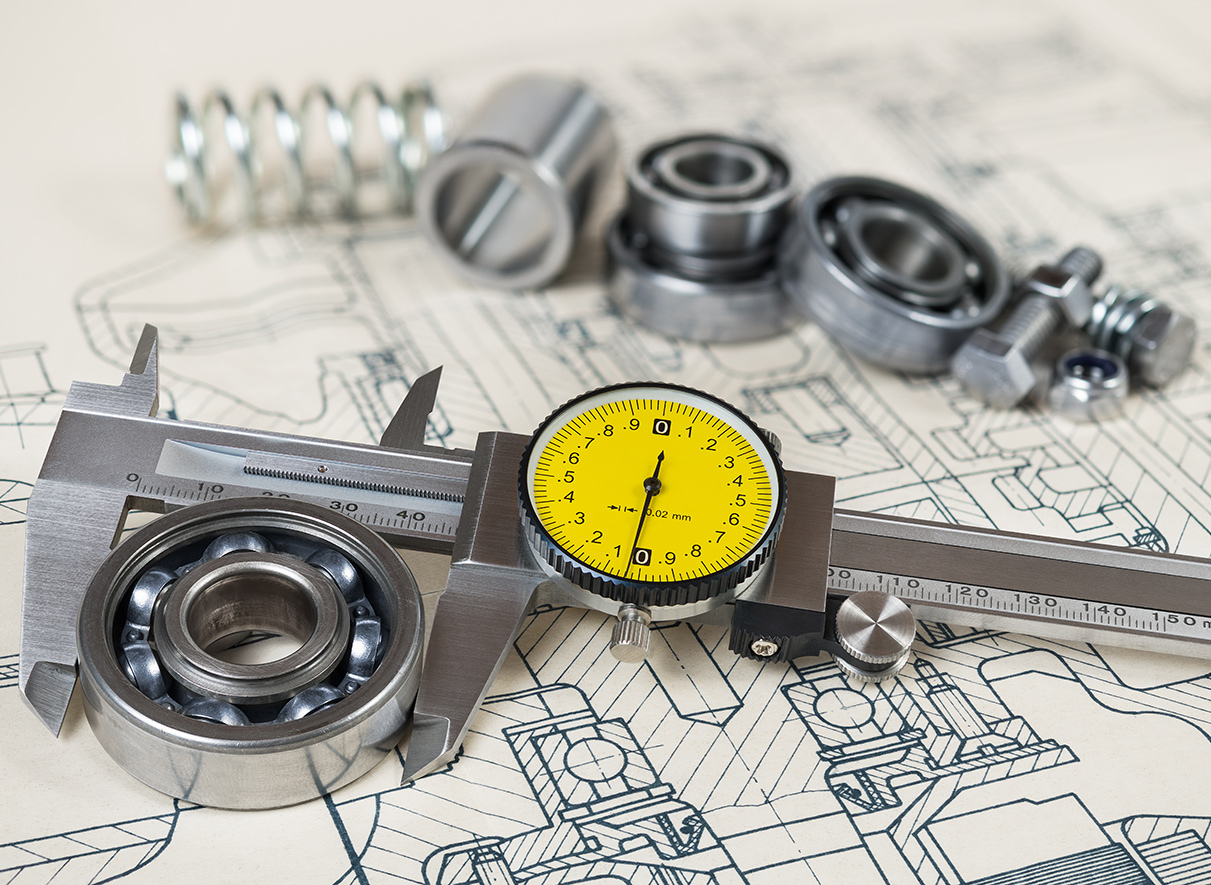
Caster Connection conducted a detailed application review that included:
- Total system weight analysis
- Load distribution modeling
- Safety factor calculations
- Dynamic load considerations
- Real-world usage scenarios
Rather than selling from a catalog, Caster Connection focused on engineering the correct solution for the application.
The Solution: Heavy-Duty Solid Cast Nylon Casters
Why Solid Cast Nylon Was Critical
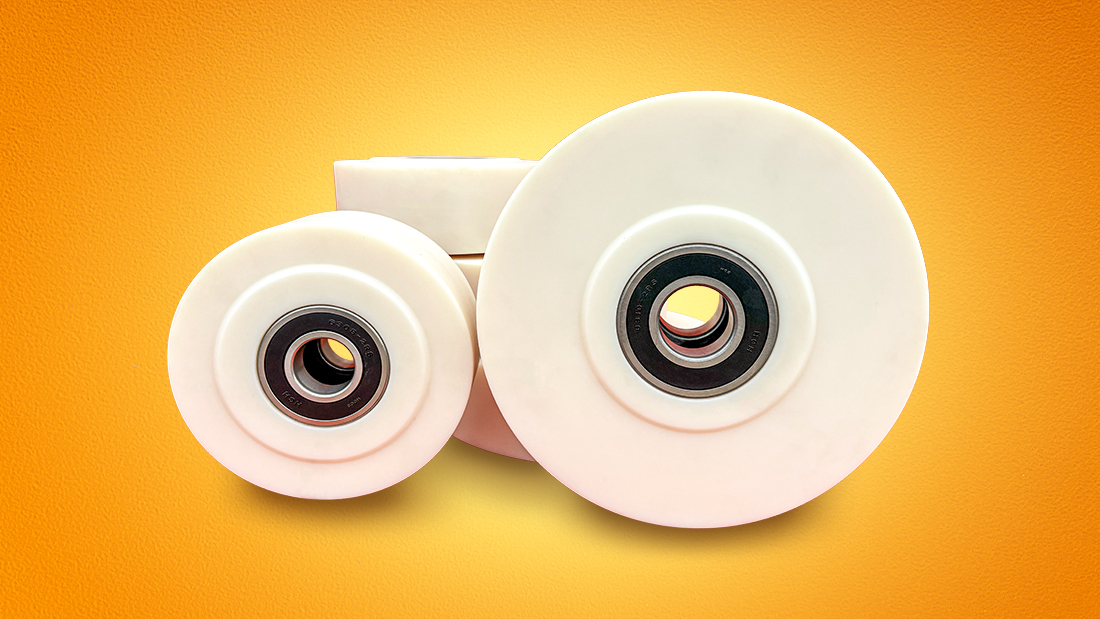
Caster Connection recommended CC Juggernaut solid cast nylon wheels paired with heavy-duty caster rigs, selected specifically for extreme industrial service.
Compared to machined or molded nylon wheels, solid cast nylon provides:
- Superior compressive strength
- Reduced risk of hub failure or cracking
- Excellent resistance to flat-spotting under static loads
- Smooth rolling characteristics similar to steel
- Compatibility with finished and semi-finished floors
Each caster was selected to far exceed minimum load requirements, ensuring safety even under uneven loading or momentary caster unloading.
Where CC Juggernaut™ Excels
This wheel was selected to support extreme static and dynamic loads while eliminating concerns associated with machined nylon hubs under sustained weight.
CC Juggernaut™ provides the compressive strength and durability required for safety-critical material handling. Its performance allowed the customer to reduce overall caster count, simplify cart design, and maintain high safety margins during movement and staging.

This case study reflects challenges commonly faced by:
- Data center infrastructure manufacturers
- Modular construction firms
- White-space and gray-space contractors
- Structural steel fabricators
- Hyperscale and colocation facility builders
If your operation involves moving large, high-value, or safety-critical assemblies, this application likely mirrors your own.
CC Juggernaut 8" x 3" Cast Nylon Kingpinless Swivel Caster
SKU: CC-94CN-800300-40-TV
-
- Overall Height
- 10-1/2"
- Wt. Capacity
- 10,000 lbs.
- Wheel Width
- 3"
- Wheel Diameter
- 8"
CC Juggernaut 8" x 3" Cast Nylon Forged Kingpin Swivel Caster
SKU: CC-93CN-800300-40-TV
-
- Overall Height
- 10-1/2"
- Wt. Capacity
- 10,000 lbs.
- Wheel Width
- 3"
- Wheel Diameter
- 8"
CC Juggernaut 8" x 3" Cast Nylon Rigid Caster
SKU: CC-92CN-800300-40-TV
-
- Overall Height
- 10-1/2"
- Wt. Capacity
- 10,000 lbs.
- Wheel Width
- 3"
- Wheel Diameter
- 8"
Designing for Redundancy: The Three-Caster Rule
A critical design principle applied was the three-caster load rule:
Any cart must be able to safely support the full load on only three casters, even if four are installed.

By selecting casters with sufficient individual capacity, the customer was able to:
- Reduce caster count from six to four
- Maintain or improve overall safety margins
- Simplify cart fabrication and maintenance
- Increase confidence during movement and staging
This approach ensured that even under real-world conditions — uneven floors, shifting loads, or crane staging — the system remained stable and secure.
Results & Impact
The final caster solution delivered measurable improvements across safety, design efficiency, and long-term scalability.

Dramatically Improved Safety Confidence
The upgraded caster solution reduced the risk of wheel or hub failure in one of the most safety-sensitive material handling applications.
Optimized Cart Design
Higher-capacity casters allowed for simpler, more efficient cart designs without compromising load support or maneuverability.
Scalable Standardization
The solution became a repeatable mobility standard that can be deployed across future projects and facilities.
Alignment With Mission-Critical Infrastructure
The caster system now matches the reliability expectations of data center infrastructure itself — where redundancy and durability are non-negotiable.