Surviving the Soak: High-Heat Casters for Glass Manufacturing

Most industrial casters are built for warehouses, not 550°F ovens. In a glass plant, using the wrong wheel can introduce a medley of issues like seized bearings, melted grease fires, and thousands of dollars in stalled production. To keep your racks moving through heat soak testing and autoclaves, you have to engineer for the soak.
The Challenge of High-Heat Environments
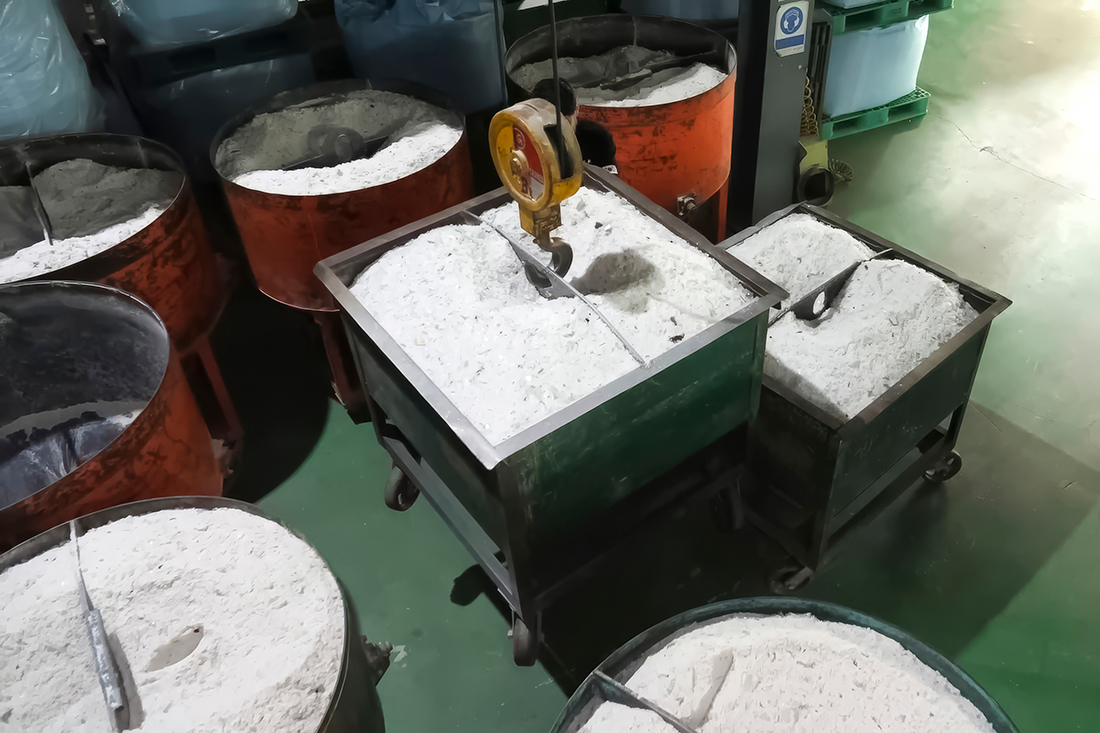
In a glass plant, heat is the defining element of the production cycle. Whether you are manufacturing laminated glass for windshields and hurricane-resistant architectural applications, or tempered glass for automotive side windows and retail display cases, your equipment has to survive environments that would destroy standard industrial hardware. The wrong caster can create problems well beyond wheel failure. Heat-related caster damage can lead to movement restrictions, product damage, and safety risks for workers.
Radiant Heat & The Batch Charger
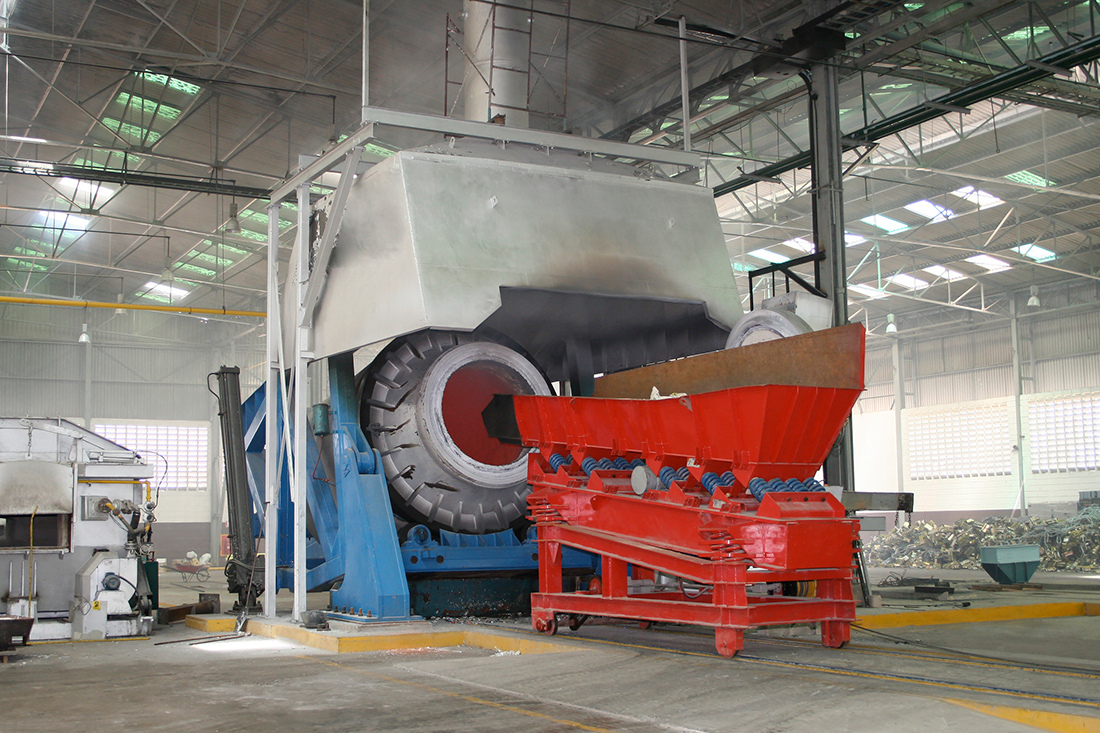
While the hot end of the annealing lehr relies on permanent rollers, the batch chargers that feed raw materials into the melting furnace face a different challenge. These machines operate near the intense radiant heat of the furnace opening. Because they have to be positioned with precision, they cannot use heat-sensitive casters.
For these applications, we typically recommend:
- Forged steel wheels to withstand high ambient temperatures without deforming.
- High-temperature solid lubricants that will not thin out or evaporate near the furnace.
Handling the Pressure of Laminated Glass
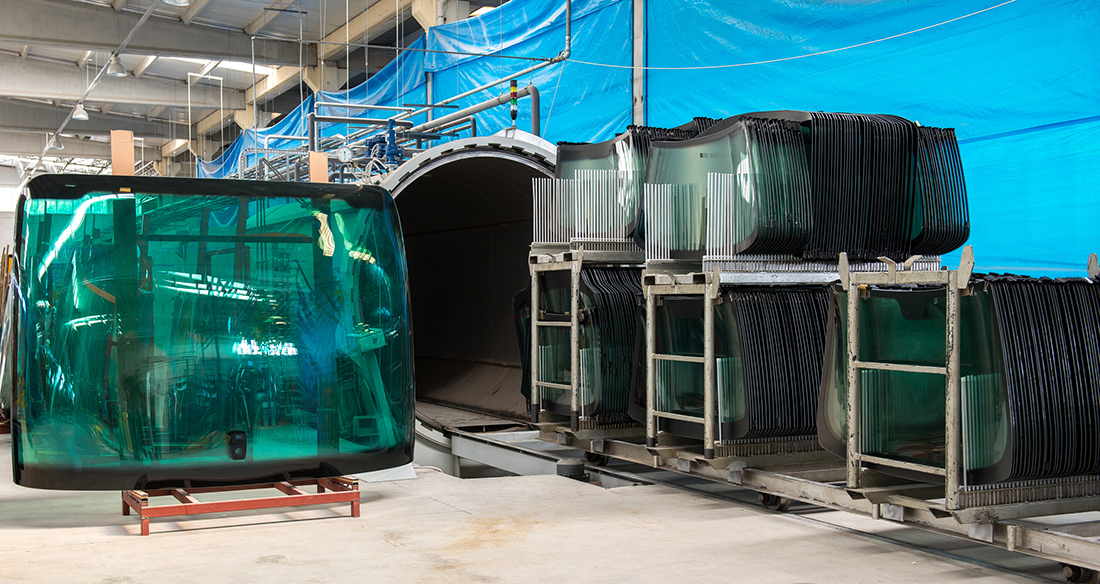
Manufacturing a windshield requires bonding layers of glass with a PVB interlayer in an autoclave. This process involves more than just heat. The glass undergoes high-pressure cycles ranging from 150 to 180 psi. For these rail carts and racks, solid-core wheels like heavy-duty cast nylon or glass-filled nylon are the best choice. They are built to handle 280°F temperatures while resisting the flat-spotting that occurs under immense downward pressure. To combat the high-pressure steam and moisture inside the chamber, 304 stainless steel rigs are the preferred option to prevent corrosion and long-term hardware failure.
Engineering for Thermal Expansion in Heat Soak Ovens
Tempered glass used for high-end architecture must undergo a heat soak test. This test holds the glass at 550°F for several hours to force any impurities to break subpar glass before it leaves the plant. Because metal parts grow in this dry heat, you have to build in extra space to prevent the casters from locking up. Using a wheel with a larger bore diameter and a larger bushing than the axle bolt creates a necessary gap. While this feels like slop when the caster is cold, that extra space disappears as the metal expands in the oven, keeping the wheel spinning freely. The same logic applies to the swivel.
You can manage this expansion by:
- Using expanded raceways by loosening the nut on a kingpin caster or choosing a kingpinless rig.
- Selecting the right bearings, specifically tapered roller or open precision ball bearings, to let the metal expand and contract without restriction.

High Temp Solutions for Glass Handling & Caster Tables
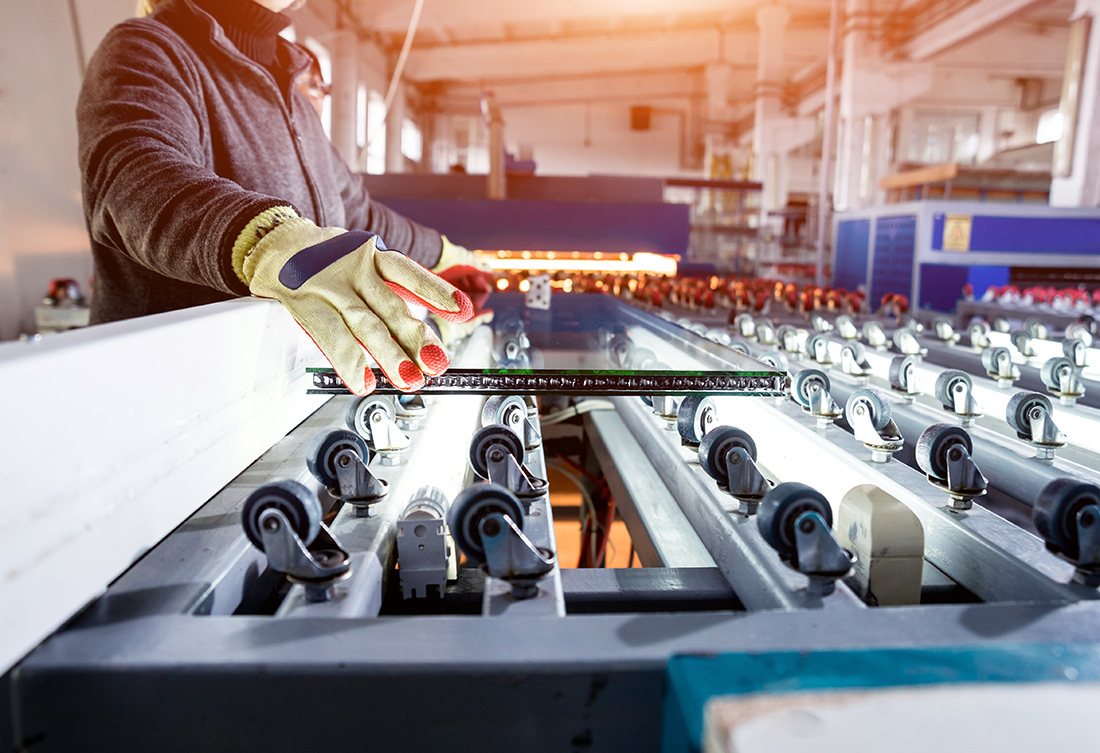
The manufacturing journey doesn’t end once the glass exits the tempering furnace or the quench. At this stage, the glass is still radiating intense heat, often reaching temperatures between 300°F and 400°F. Moving these large, hot sheets to inspection stations or secondary cutting tables requires a specialized touch. Standard industrial casters would leave marks or melt directly onto the glass surface.
To minimize damage, glass handling tables utilize:
- Non-Marking Heat Resistance: High-temperature silicone rubber wheels provide the grip needed to move the glass without slipping, but are soft enough to bypass streaking or scratching
- Multi-Directional Movement: For inspection stations, swivel casters or ball transfer units allow workers to rotate massive sheets 360 degrees with minimal effort.
- Debris Protection: Glass plants are notorious for cullet. To prevent debris from infiltrating the swivel section, these casters should be mounted with inverted raceways. By flipping the swivel section, the seal is positioned to act as an umbrella, shielding the internal bearings from falling glass dust.
By using the right non-marking, heat-resistant casters, you ensure that the glass you just spent hours tempering isn't ruined in the final ten feet of the production line.
The Danger of Melted Grease
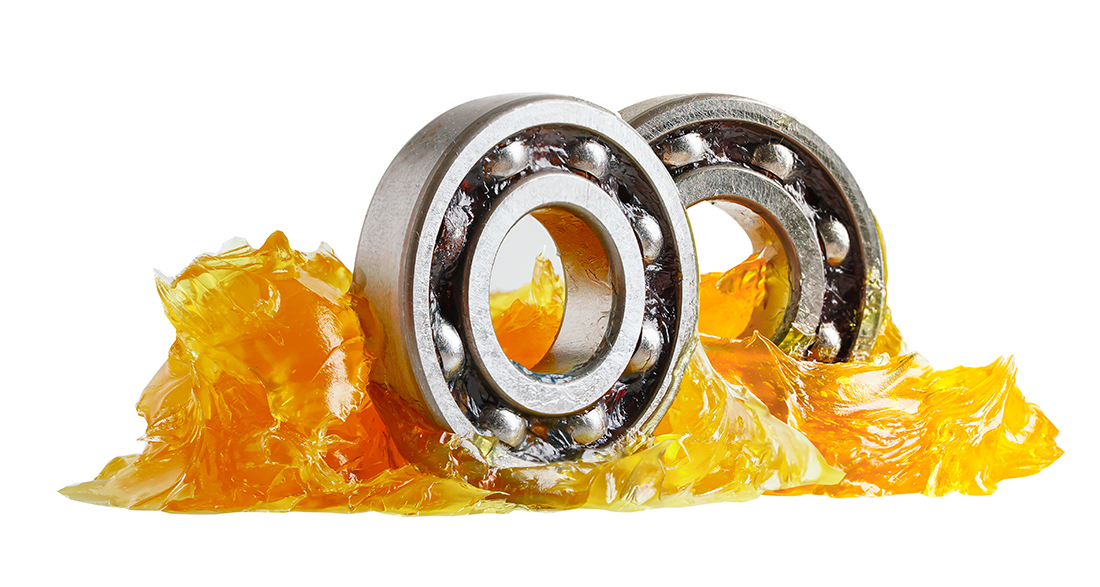
Using the wrong lubricant in a heat soak oven or on a batch charger is a major safety risk. This is because most standard industrial greases are petroleum-based and thickened with lithium, which cannot handle extreme heat. When these lubricants reach peak temperatures, the oil separates from the thickener and simply runs out of the bearing.
This leaves you with two massive problems:
- Fire and Slip Hazards: The melted oil leaks onto the oven floor or the factory floor. This creates a slick surface for workers and, at 550°F, can reach its flash point and catch fire.
- Seized Bearings: Once the oil has leaked out, the remaining thickener "carbonizes" or bakes into a hard, crusty glue that locks the bearings solid.
To keep your plant safe and your wheels in working condition, stay away from petroleum-based "general purpose" greases. Instead, look for High-Temperature Synthetic Greases or Solid-Film Lubricants like graphite or molybdenum disulfide. These are engineered to stay stable in dry heat. Synthetic options won’t thin out and leak, while solid lubricants provide a dry, slippery layer that allows the wheel to spin even after hours of soaking in an oven.
Mastering the High-Heat Learning Curve
Selecting the right high-heat solution for a glass plant is a complex engineering task. To take the guesswork out of your selection, we offer a free consultation called Caster Needs Eval. Our solutions experts, whom we call Caster Nerds, can assess your facility virtually or walk your actual floor to look at your equipment, flooring, weight load requirements, and more. Our Caster Nerds will recommend the best caster setup, including any additional components like brakes, toe guards, or floor locks to keep your production line moving. Reach out today or fill out the form below to get started.
