How to Stop Micro-Scratches On Your Glass Production Line

Picture the nightmare of every glass plant manager. You are looking at production yields, and you are forced to throw out thousands of dollars in ruined product simply due to tiny hairline scratches.
Micro-scratches are a massive problem in automotive and architectural glass manufacturing. Often, the culprit is not a major equipment failure, but the way the glass is handled throughout the production process.
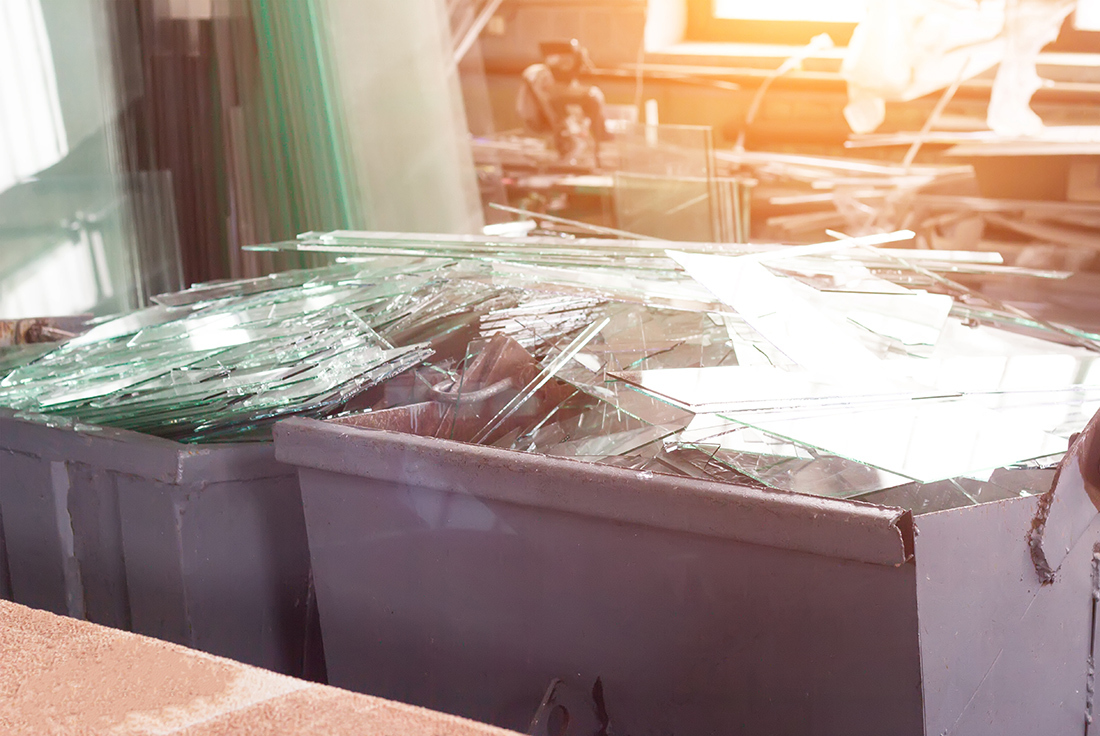
Standard tables or flat conveyor systems easily trap ambient factory dust and glass debris. When massive, heavy sheets of glass slide across these surfaces, that trapped dust acts exactly like sandpaper.
Solving this issue does not require slowing down your production lines. It means rethinking how you handle the glass at critical transition points, starting with your casters.
The Magic of Inverted Caster Tables
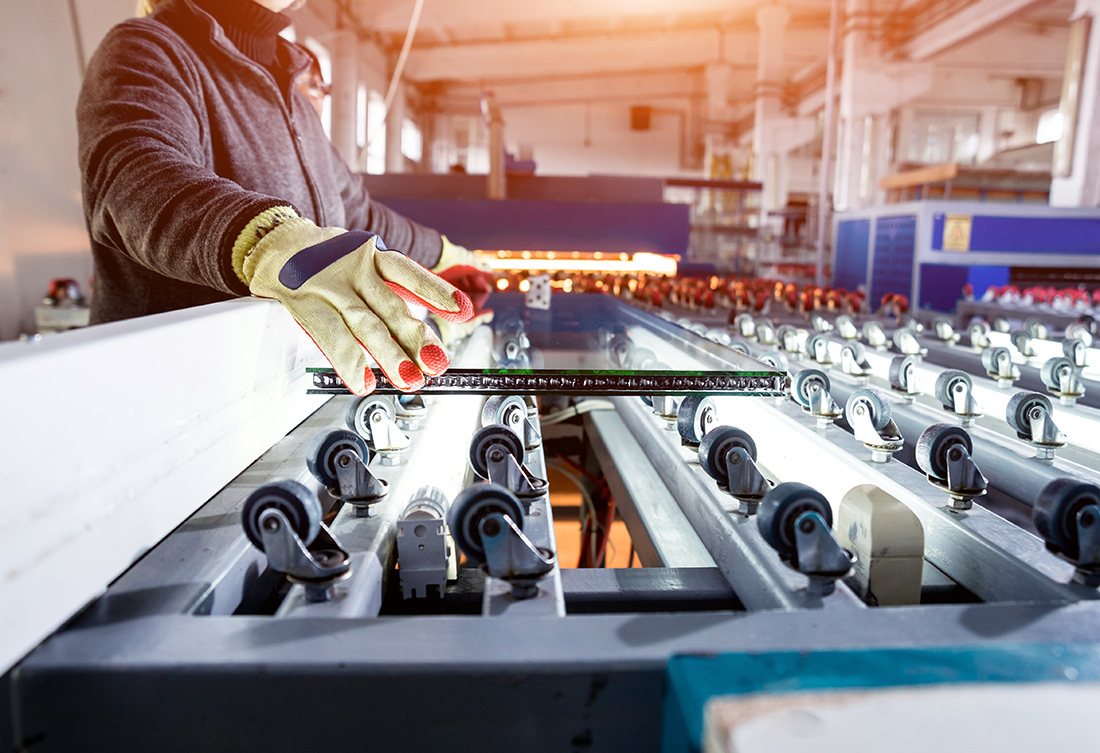
To eliminate sliding friction entirely, many successful facilities use inverted caster tables. You will usually see these at the cold end of the annealing lehr or at manual inspection stations.
Instead of sitting on the bottom of a cart, dozens of casters are mounted upside down to create a bed of wheels. The glass floats on top of these omni-directional wheels, allowing workers to glide a heavy sheet in any direction without the glass ever sliding across a hard, fixed surface.
However, you cannot just grab any standard caster from a catalog and flip it upside down. Sourcing the right parts for this application requires specific details.
What to Look for When Sourcing Glass Handling Casters
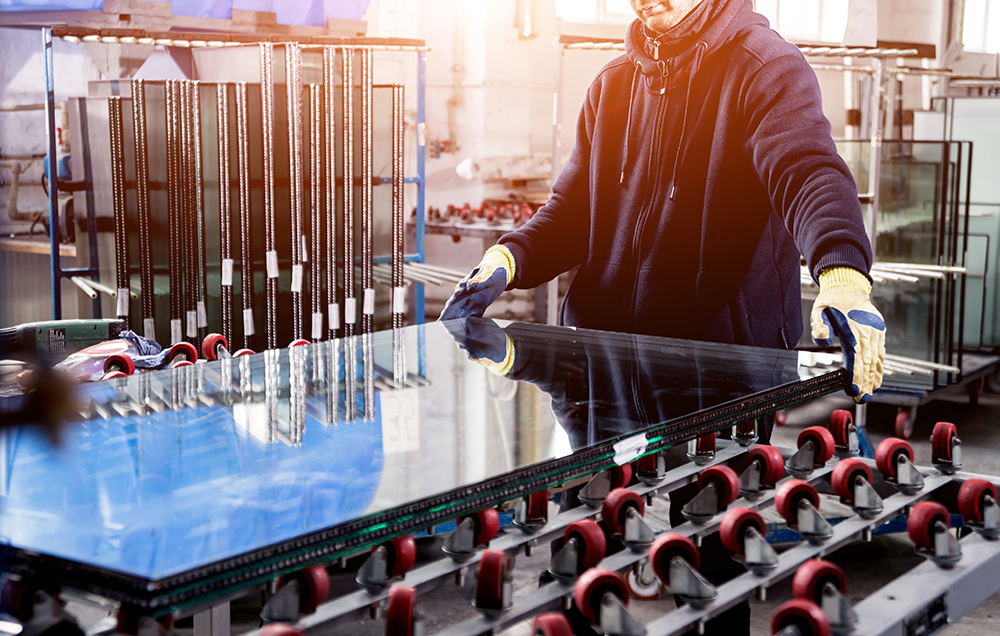
If you are sourcing casters to build or maintain a glass handling table, you need to keep two critical specs in mind:
1. The Right Tread Material
Avoid hard plastics or standard industrial rubber. You want to look for soft, non-marking gray rubber or neoprene compounds. These materials yield slightly under the massive weight of the glass rather than digging in, keeping the surface perfectly safe from friction.
2. The Inverted Raceway
Second, consider the inverted raceway. Standard swivel casters trap glass dust and debris in the ball bearings, causing them to freeze up. If a caster on a glass table freezes up, the wheel can stop spinning and create a dragging surface that grinds into the glass like sandpaper. Specialized glass handling casters feature an inverted raceway, where gravity naturally pulls falling glass dust and floor debris out of the swivel mechanism instead of trapping it.
This setup is also what lets the casters spin easily and rotate on a dime, unlike rigid casters. Because the wheels can rotate to match whichever way you push, operators can effortlessly maneuver massive sheets in any direction to check for defects or route them down the line.
How the Right Hardware Pays for Itself
Investing in the right setup at your manual workstations and lehr exits provides clear returns for a purchasing budget:

Drastically Reduced Scrap Rates
Fewer rejected windshields or architectural panels mean an immediate, direct boost to your plant's bottom line.

Longer Equipment Lifespan
Buying the correct inverted rigs means fewer maintenance hours spent unsticking frozen bearings on the line.

Faster Production Flow
Wheels that rotate easily prevent bottlenecks at inspection stations and keep your packaging lines moving at peak speed.
Let the Caster Nerds Do the Heavy Lifting
While inverted glass handling casters are not part of our standard stock, we can easily source them for your facility on an as-needed basis. Simply reach out to us for a custom quote to get started.

Get Extra Help With A Caster Needs Evaluation
Of course, preventing scratches on your product is only one challenge your mobility solutions run into. Between extreme heat soak ovens and high-pressure autoclaves, your facility is full of harsh environments that destroy standard wheels.
To take the guesswork out of caster selection, we offer a free consultation called Caster Needs Eval.

As part of this service, our solutions experts will assess your facility virtually or walk your actual floor, depending on your preference. To recommend the best solution for your unique situation, our Caster Nerds will meet with you and your team to test and gather data.
This can mean conducting push/pull testing, taking floor surfaces into consideration, and gauging your usage of automation like AGVs and AMRs. Reach out today or fill out the form below to get started!