How Automation Is Improving Industrial Yard Visibility - The Industrial Lens Podcast

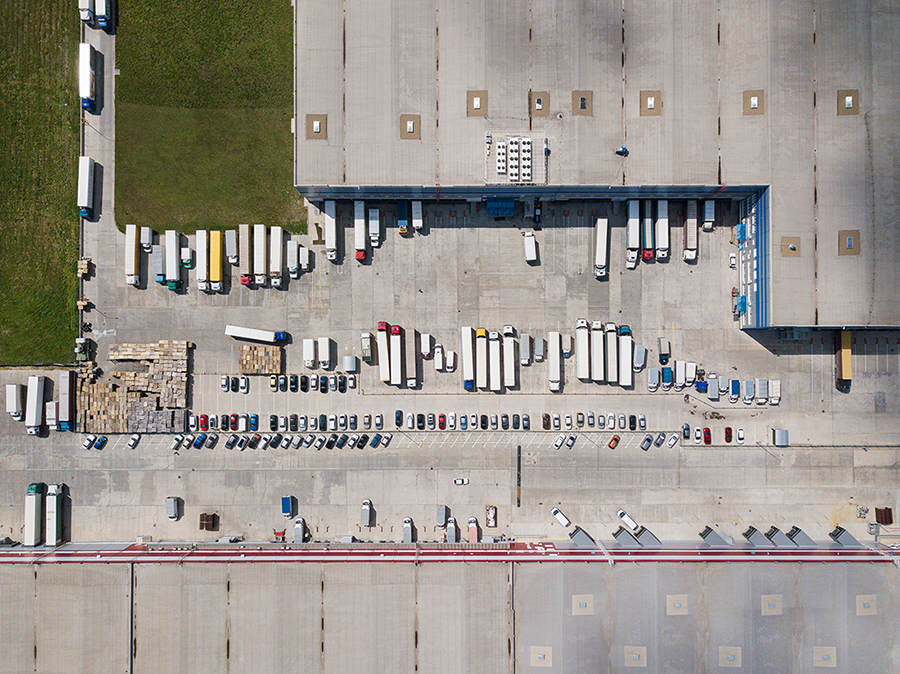
Industrial yards are constantly changing environments. Trailers arrive and depart, equipment moves between parking locations and dock doors, drivers check in and out, and loads wait to be processed. At a large manufacturing or distribution facility, hundreds or even thousands of these migrations can take place each day.
Keeping an accurate record of all that activity can be difficult, particularly when operators still rely on manual checks and data entry.
In a recent episode of The Industrial Lens podcast, Jeremy spoke with Ilhan Kolko, President and Managing Director of Aviro360, about how automation is being used to improve visibility across industrial yards and reduce the manual work involved in tracking activity.
Listen to the Episode
What Is An Industrial Yard?
An industrial yard is the outdoor area between a facility and the transportation network serving it. At warehouses, distribution centers, manufacturing plants, terminals, and similar operations, this is where trucks, trailers, containers, and other equipment arrive, wait, move between locations, get loaded or unloaded, and eventually leave.
While transportation and warehouse operations have benefited from significant technology investments, Ilhan says the yard has often received less attention. That can leave a gap between systems used to plan activity and what is physically happening outside the facility.
How Yard Blindspots Create Delays
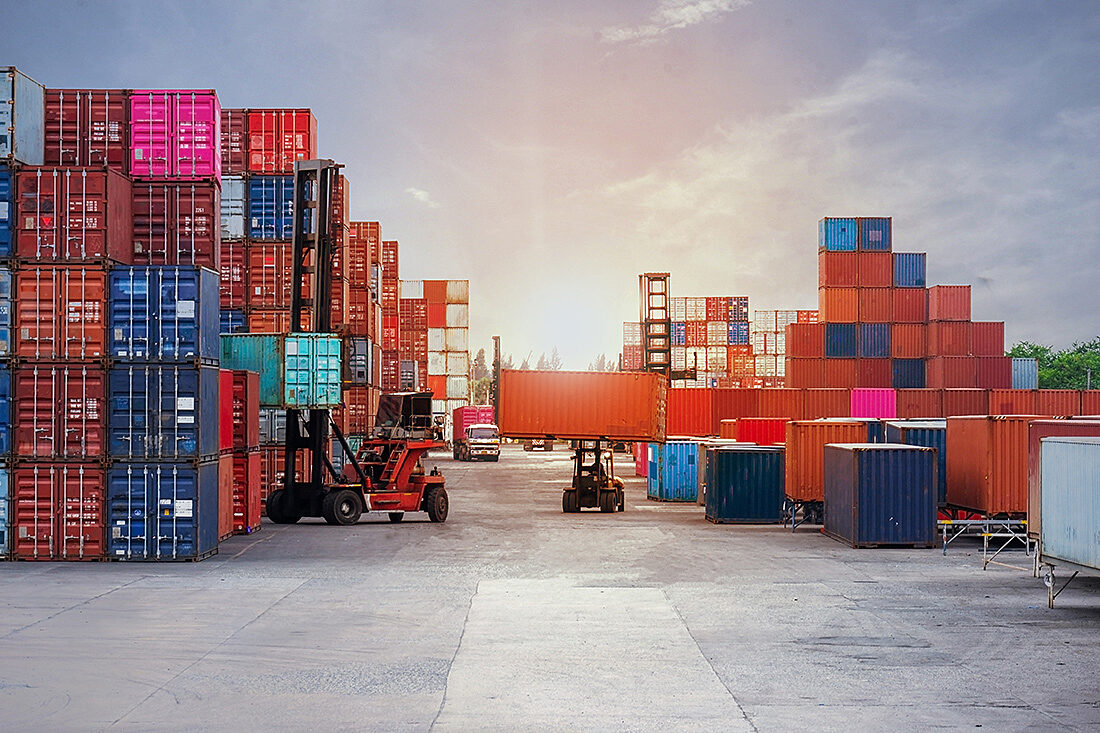
Aviro360 refers to this gap as yard blindness.

For example, a system may show that a trailer is parked in a particular location, while the trailer has actually been moved somewhere else. Finding it may require phone calls, radio communication, or someone physically traveling through the yard to locate it.
The challenge becomes larger as the number of trailers, parking locations, dock doors, and daily movements increases.
Manual inventory checks can introduce another problem. Operators may need to travel through the yard recording trailer numbers and locations before returning to enter that information into another system. By the time that process is complete, the yard may have already changed.
According to Ilhan, reducing this gap between the digital record and physical activity can help operators make decisions faster and spend less time searching for information.
Using Automation to Track Activity Across the Yard
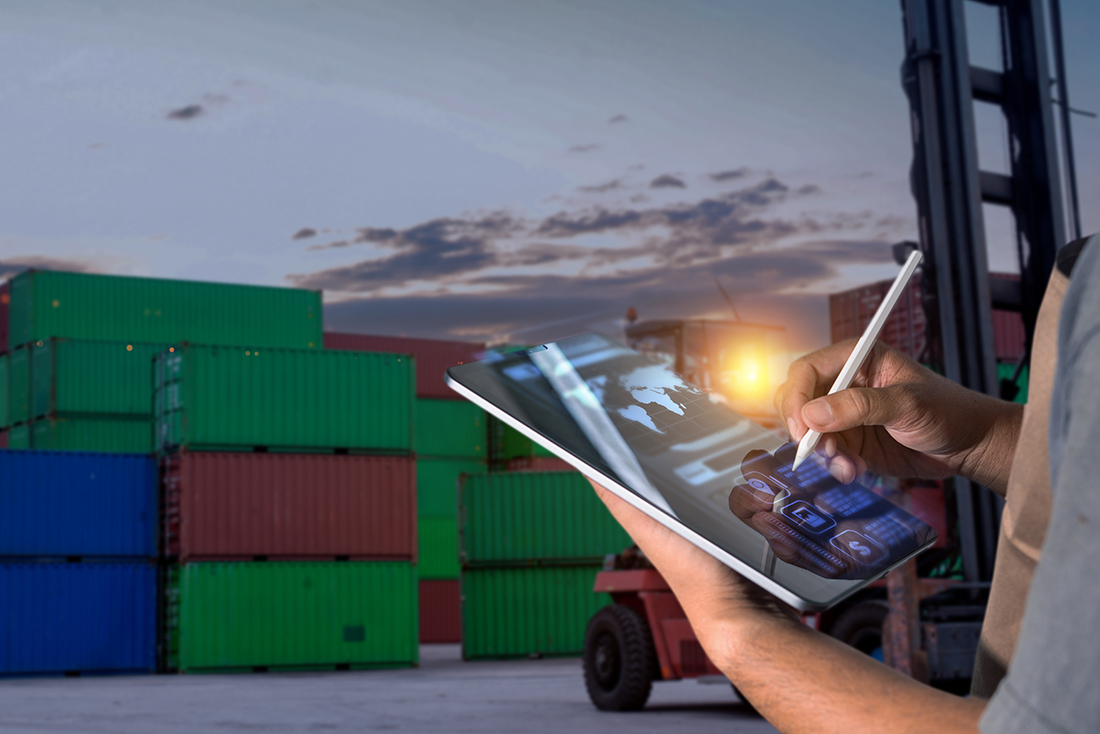
Aviro360 combines camera systems, computer vision, AI, and workflow automation to capture information as equipment moves through a facility.
At the gate, cameras can collect information such as license plates, container numbers, and other visual identifiers. That information can then be compared with the facility's business rules and existing systems.
Mobile camera systems can also be mounted to equipment such as hostlers or yard trucks. As those vehicles travel through the yard during normal operations, the system can identify trailers and other equipment at parking locations and dock doors and update their locations.
The goal is to create a more current picture of activity without requiring someone to continually perform manual inventory checks.
AI then provides another layer of visibility. Instead of simply recognizing that a truck has arrived, the system can connect that observation with information about the trailer, its purpose for being at the facility, and the conditions that must be met before the gate is opened.
Ilhan describes this as the connection between visibility and automation.
Where Better Visibility Can Make A Difference
Accurate yard tracking can affect more than location alone. Ilhan says Aviro360 customers look at a range of performance indicators, including:
- Gate processing time
- Yard inventory accuracy
- Trailer and equipment location accuracy
- Search time
- Dwell time
- Detention
- Pickup and drop-off accuracy
- Throughput
- Spoilage for time-sensitive loads
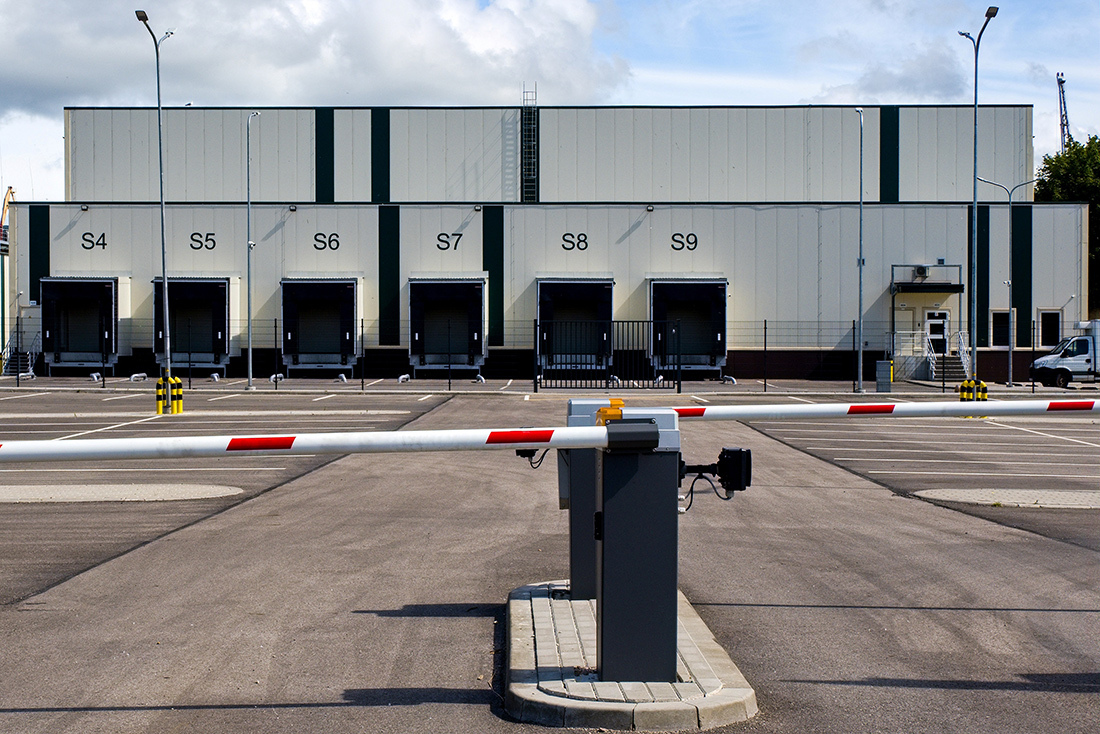
For example, Ilhan says Aviro360 can reduce gate entry and exit processing to less than 15 seconds per vehicle in situations where the same process may otherwise take several minutes. He also cites an average reduction of at least eight minutes in search time per item being located. These are Aviro360's reported performance figures and can vary by operation.
Visibility can also matter when the load itself is time-sensitive. Ilhan gave the example of refrigerated or perishable goods being left in a large yard without being properly recorded. Losing track of one load can create much larger consequences than the time spent looking for it.
A Flexible Approach to Yard Automation
Industrial environments introduce conditions that can be difficult for automated systems. Rain, snow, slush, changing lighting conditions, large outdoor areas, network connectivity, and even movement of the structures supporting cameras can affect performance.
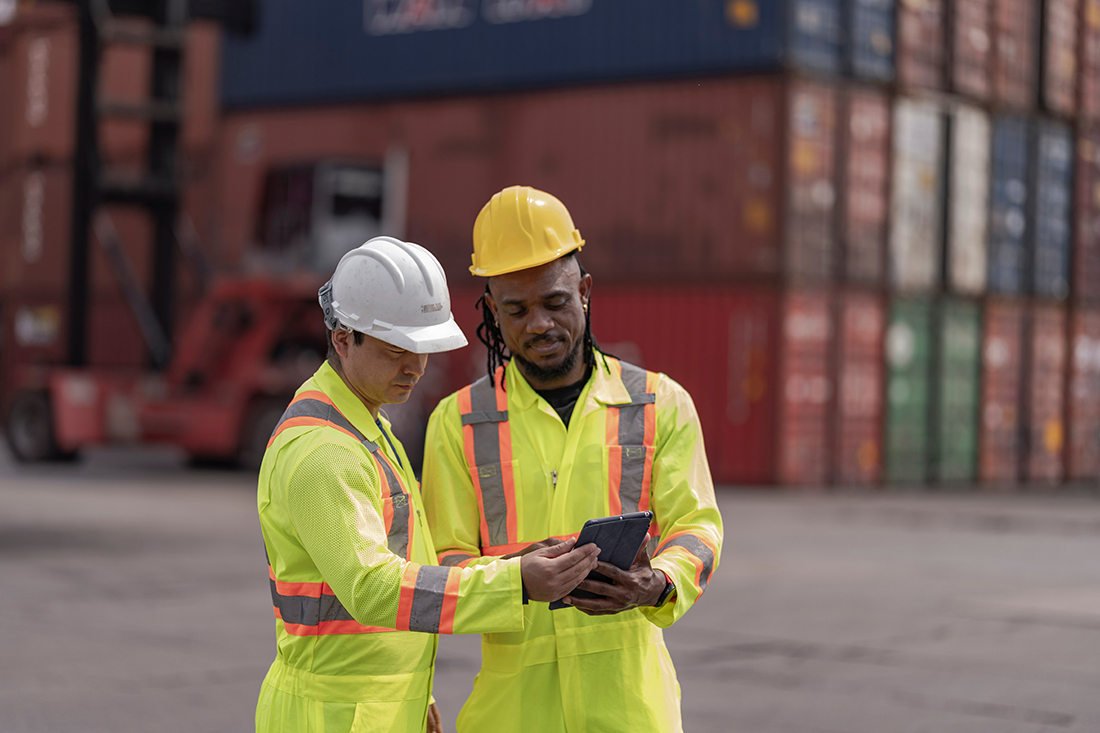
Ilhan says Aviro360 has addressed many of these challenges through successive generations of its hardware and software. Current systems are designed to identify equipment without depending entirely on clearly marked parking spaces or visible dock numbers.
Infrastructure also varies significantly from one facility to another. Some sites already have power, networking, gate equipment, and existing yard management software in place. Others may have very little infrastructure.
Aviro360 begins with a site survey to identify requirements for power, connectivity, and other preparation. For remote locations, Ilhan says the company has even used satellite connectivity where conventional networking was not practical. The system can also integrate with an existing TMS, YMS, ERP, or other system of record rather than requiring an operator to replace the software already in use.
What Comes Next for Industrial Yard Automation?
Ilhan expects yard visibility and gate automation to become increasingly common as companies continue looking for ways to improve logistics efficiency.
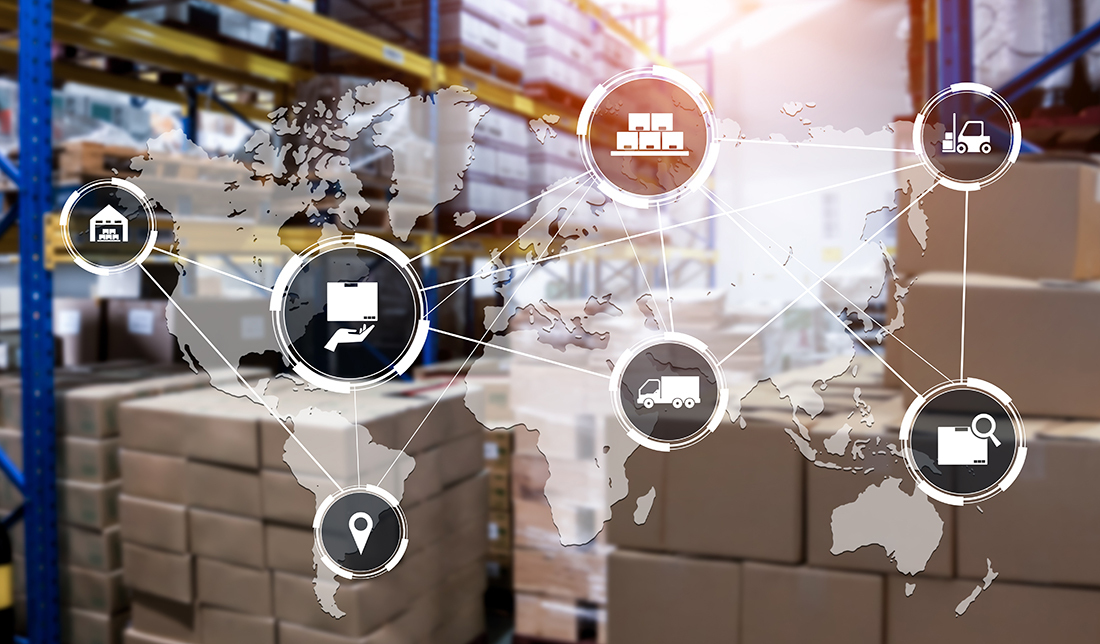
The next opportunity is connecting activity across transportation, the yard, and the warehouse. More accurate and automated data collection could allow these areas to operate as part of a more coordinated workflow rather than as separate stages of the supply chain.
Learn More About Industrial Yard Automation
To hear the full conversation, including more about yard blindness, gate automation, implementation challenges, AI, and the future of industrial logistics, listen to the latest episode of The Industrial Lens podcast featuring Ilhan Kolko of Aviro360.
Stay Ahead of Industrial Trends
Subscribe to The Industrial Lens on Spotify or Apple Podcasts for expert insights on safety, automation, equipment strategy, and industrial operations.
