How To Choose Casters By Application, Environment, And Floor Surface
Application, operating environment, and floor surface are three main concerns when selecting the right casters. What does the application require of the caster? Is noise a factor within the environment? What kind of floor will the caster roll on? Read on to learn how to choose casters by application, environment, and floor surface.

APPLICATION
There are so many different casters to choose from in the world. Paralysis by analysis might kick in when trying to decide which caster is best for your needs.
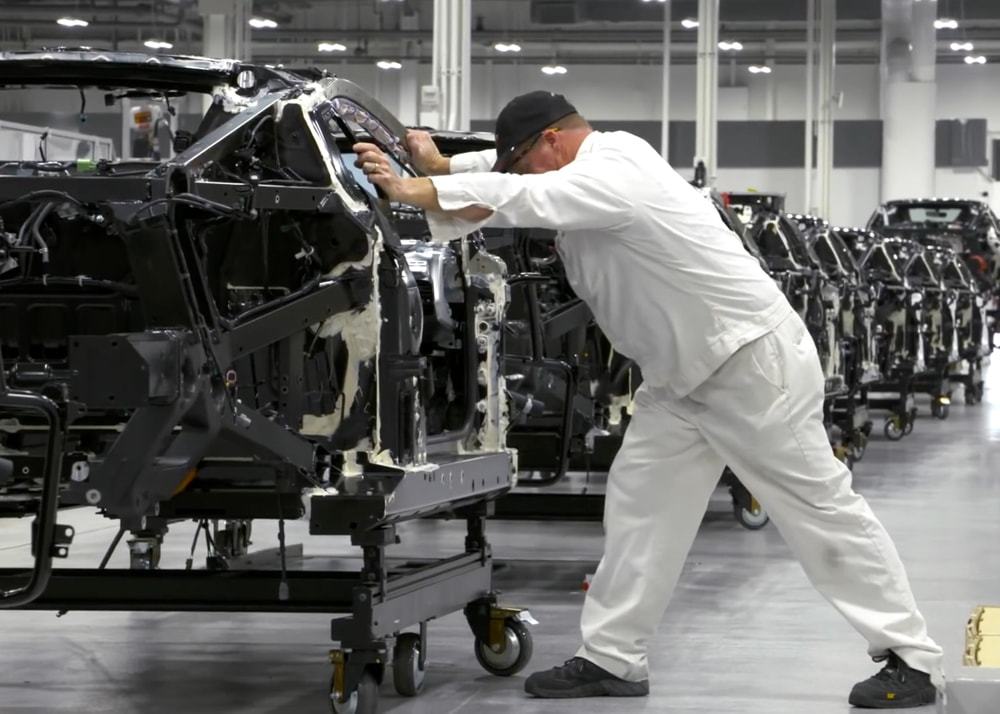
For starters, one should consider if the caster will be mounted to a manual or power-operated application. The answer to this can filter out irrelevant options.
For instance, a kingpin swivel caster rig is not suitable for towline applications because high-velocity towing can wear down the kingpin and cause catastrophic failure. A kingpinless swivel caster rig is more qualified for towlines. Without the kingpin, a caster is able to more evenly distribute weight and ease the pressure on the raceway.
(Read more about the Best and Worst Casters for Towline Applications here.)
OPERATING ENVIRONMENT
An operating environment can make or break a caster's performance. Do you need to follow noise regulations? Will the caster be operating in a wet or dry environment? Is the operating environment hot, cold, or neutral?
Additionally, debris can add unwanted friction to a caster wheel, increasing its rolling resistance and decreasing ergonomic performance. If the application is manually operated, the friction from the debris can put the operator at risk of injury. Not to mention that debris on caster wheels can result in floor damage.
FLOOR SURFACES
A point that is often overlooked, certain caster wheel materials are not appropriate on specific floor types. Thus, the floor the caster wheel will be rolling on will dictate the caster's appropriateness for the job. Using an improper caster wheel on a given floor type can lead to caster disaster.
Damaged floors from using inappropriate casters
SUMMARY
All things considered, a caster's performance depends on its application, operating environment, and floor surface. Taking these into account early on can help you choose the right caster the first time. If you need further help in selecting the right caster, reach out to us today. We will get you in touch with one of our Regional Solutions Managers.
FAQ: Choosing Casters by Floor Surface, Facility Layout, and Operating Environment
How do I address caster performance issues after changing floor coatings?
Changing floor coatings can significantly affect caster performance. A caster that worked well on bare concrete may behave differently on epoxy, sealed concrete, polished concrete, tile, or other coated surfaces. New coatings can change traction, rolling resistance, noise levels, vibration, and even how quickly the wheel tread wears.
If caster performance changes after a floor coating update, start by looking for symptoms like harder push force, wheel slipping, increased noise, vibration, floor marking, flat spotting, or uneven wear. These issues may indicate that the current wheel tread is too hard, too soft, too aggressive, or not compatible with the new floor surface.
In many cases, switching to a polyurethane wheel with the right durometer can help balance floor protection, traction, and rolling performance. It is also important to review the cart load, travel distance, floor cleanliness, and whether forklifts, pallet jacks, or other equipment are sharing the same surface. If the new floor coating is part of a major facility upgrade, it may be worth testing caster options before standardizing across the plant.
How do I avoid caster-related floor damage in a newly built facility?
To avoid floor damage in a new facility, caster selection should be part of the layout and equipment planning process — not an afterthought. New floors are often a major investment, and the wrong caster wheel can cause scuffs, gouges, premature coating wear, debris tracking, or concentrated pressure damage.
Start by identifying the floor type, expected cart loads, traffic patterns, route distances, and whether the space will also see forklift or pallet jack traffic. Wheel material matters. Softer tread materials may help protect finished floors, while harder wheels may carry heavier loads but transfer more vibration and pressure into the surface.
For many new facilities, polyurethane wheels are a strong starting point because they can provide durability, floor protection, and lower noise compared with harder wheel materials. However, the best choice depends on the floor coating, load weight, cart design, debris exposure, and operating environment.
Before launching full operations, consider testing caster options on the actual floor surface with loaded carts. This can help prevent expensive floor damage after equipment is already in use.
How do I choose casters for mixed-use floors like concrete, tile, and epoxy?
Mixed-use floors require casters that can perform consistently across different surfaces. A facility may have bare concrete in one area, epoxy-coated floors in another, tile near offices or clean areas, and dock plates or thresholds between zones. Each surface creates different rolling and wear conditions.
When choosing casters for mixed-use floors, consider:
- Load weight
- Floor hardness
- Floor finish
- Travel distance
- Debris exposure
- Noise requirements
- Floor protection needs
- Whether carts cross thresholds or expansion joints
Polyurethane wheels are often a strong option for mixed-use environments because they offer a good balance of durability, floor protection, traction, and rolling performance. For heavier loads, a harder polyurethane may provide better compression resistance. For areas where noise or vibration matters, a slightly softer tread may be more appropriate.
The goal is to choose a wheel that performs well across the full route, not just one section of the facility.
How do I match caster tread material to forklift and pallet jack traffic?
Forklift and pallet jack traffic can affect caster performance because these vehicles often create floor wear, debris, tire marks, and surface inconsistencies. If carts and dollies share the same traffic lanes, caster tread material should be selected with the full traffic environment in mind.
Start by evaluating the floor condition where forklifts and pallet jacks operate most often. Look for embedded debris, floor seams, coating wear, metal shavings, oil, moisture, or uneven surfaces. These conditions can accelerate caster wear if the wrong wheel material is used.
Polyurethane tread is often a good fit for shared traffic areas because it can provide durability, floor protection, and smoother rolling performance. In rougher or debris-prone areas, the tread must be tough enough to resist cuts, chunking, and rapid wear. For high-load applications, harder polyurethane or specialized heavy-duty wheels may be needed to prevent excessive compression.
It is also important to think about traffic flow. If carts frequently cross forklift lanes, dock plates, or pallet jack paths, the caster must handle impact, vibration, and repeated floor transitions.
What are the best practices for spec’ing casters in a new facility layout?
When spec’ing casters for a new facility layout, start by mapping how carts, racks, dollies, and mobile equipment will move through the space. The best caster choice depends on the full route, not just the equipment itself.
Key factors to evaluate include:
- Floor surface and floor coating
- Cart weight when fully loaded
- Travel distance
- Aisle width
- Turning radius
- Doorways, ramps, dock plates, and thresholds
- Forklift and pallet jack traffic
- Moisture, chemicals, oils, or washdown exposure
- Noise requirements
- Ergonomic push/pull requirements
- Maintenance expectations
New facility planning is also a good opportunity to standardize caster specifications. Using the right caster families across similar applications can reduce maintenance complexity, simplify replacements, and improve long-term performance.
For critical applications, test carts under real operating conditions before finalizing the caster specification. This can help identify rolling resistance, floor protection, maneuverability, vibration, and load performance issues before the facility is fully operational.
What are the most important specs when adding casters to custom equipment?
When adding casters to custom equipment, the most important specs include load capacity, wheel material, wheel diameter, mounting type, overall height, swivel or rigid configuration, bearing type, brake or lock requirements, and environmental compatibility.
Start with the total equipment weight, including the maximum expected load. Then determine how many casters will support that weight and whether the load will be evenly distributed. For a more conservative calculation, many teams account for the possibility that one caster may not fully carry its share of the load during uneven movement or floor transitions.
Next, evaluate how the equipment will move. Will it be pushed manually, pulled by a tugger, positioned in tight spaces, rolled long distances, or docked into a fixture? The answers will influence whether you need rigid casters, swivel casters, swivel locks, brakes, ergonomic wheels, or a custom caster configuration.
Floor conditions also matter. The wheel material should match the floor surface, load, debris exposure, and operating environment. For custom equipment, it is best to review the full application before selecting a caster based only on load capacity or mounting size.
What caster wheel material is best for protecting floors?
Polyurethane is often one of the best caster wheel materials for floor protection because it offers a strong balance of durability, traction, and surface-friendly performance. Compared with harder materials like steel or cast iron, polyurethane is usually less likely to gouge, scratch, or damage finished floors.
However, the best floor-protecting wheel depends on the application. Load weight, floor coating, debris, moisture, travel distance, and cart design all affect performance. Softer wheels may protect floors better in some environments, but they can also create more rolling resistance. Harder wheels may roll more easily under heavy loads, but they may transfer more force and vibration into the floor.
The right choice should protect the floor while still supporting the load and movement requirements of the equipment.
How does wheel hardness affect caster performance on different floors?
Wheel hardness affects rolling resistance, floor protection, traction, vibration, and load stability. Harder wheels generally roll more easily and resist compression under heavy loads, but they can be louder and may transfer more vibration to the cart or floor. Softer wheels can provide better cushioning, traction, and floor protection, but they may require more push force and may wear faster in some applications.
For smooth concrete or epoxy floors, polyurethane wheels often provide a good balance of durability and floor protection. For rough floors, thresholds, or uneven surfaces, a slightly softer or more resilient wheel may help reduce vibration. For very heavy loads, harder polyurethane, nylon, or other heavy-duty wheel materials may be needed.
Choosing wheel hardness should always be based on the floor surface, load, travel distance, and performance goals.
What should I consider when carts move across dock plates, thresholds, or expansion joints?
Dock plates, thresholds, and expansion joints can create impact and vibration that shorten caster life if the wheel is not properly selected. These transitions can also increase push force, create noise, and make carts harder to control.
When carts regularly cross floor transitions, consider larger diameter wheels, durable tread materials, high-quality bearings, and caster rigs designed to handle impact. Polyurethane wheels can often help reduce vibration while still providing strong durability and floor protection.
If carts are carrying sensitive equipment, fragile materials, or heavy loads, floor transitions should be part of the caster selection process from the beginning. In some cases, a different wheel diameter, tread material, or caster configuration can significantly improve movement and reduce wear.
How do I know if my current casters are damaging the floor?
Signs that your casters may be damaging the floor include visible marks, scratches, gouges, coating wear, floor dust, wheel tracks, or areas where the floor surface looks polished, uneven, or worn down. You may also notice increased noise, vibration, or rolling resistance in the same areas where floor damage appears.
Common causes include using a wheel material that is too hard, overloading the caster, rolling over debris, dragging wheels that do not swivel properly, or using worn wheels with flat spots or embedded material.
If floor damage is occurring, inspect both the caster and the floor conditions. The solution may involve changing the wheel material, adjusting the load, cleaning traffic paths more frequently, or selecting a caster designed for the specific floor surface and environment.
Get Expert Guidance On Caster Selection
Choosing the right caster for to prevent floor damage can be complex—but it's critical. The wrong mobility solution can lead to inefficiencies, equipment risk, and costly delays. The right solution improves how your entire operation moves.
A properly engineered mobility system can:
- Reduce downtime and installation delays
- Improve equipment handling and positioning accuracy
- Enhance worker safety and reduce push force
- Support scalable, repeatable workflows
Caster Connection’s Caster Needs Evaluation is designed to take the guesswork out of this process.
Through this evaluation, our mobility engineers will assess:
- Your equipment type and application
- Total and dynamic load requirements
- Floor conditions and environmental factors
- ESD and safety considerations
- Movement patterns and workflow needs
Based on your inputs, we provide a custom, application-specific mobility recommendation—not a generic product suggestion.
