The Hidden Risks of Poor Mobility in Data Center Construction

Risks of Poor Mobility in Data Center Construction
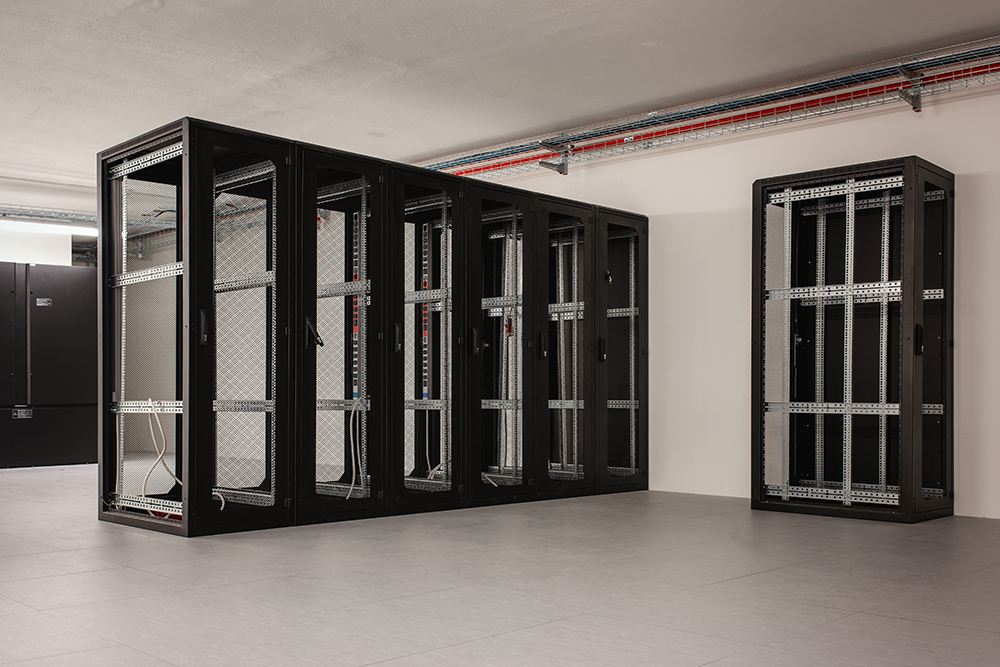
Poor mobility in data center construction immediately leads to installation delays, equipment damage, increased downtime, and safety risks. When heavy infrastructure, such as server racks, cooling systems, and battery units, is difficult to move or control, it grinds workflows to a halt, strains workers, and creates inefficiencies that rapidly escalate across large-scale builds. All of these challenges illustrate how limited mobility amplifies operational disruptions and compounds risks throughout the construction process.
Data Center Construction Complexity Is Increasing
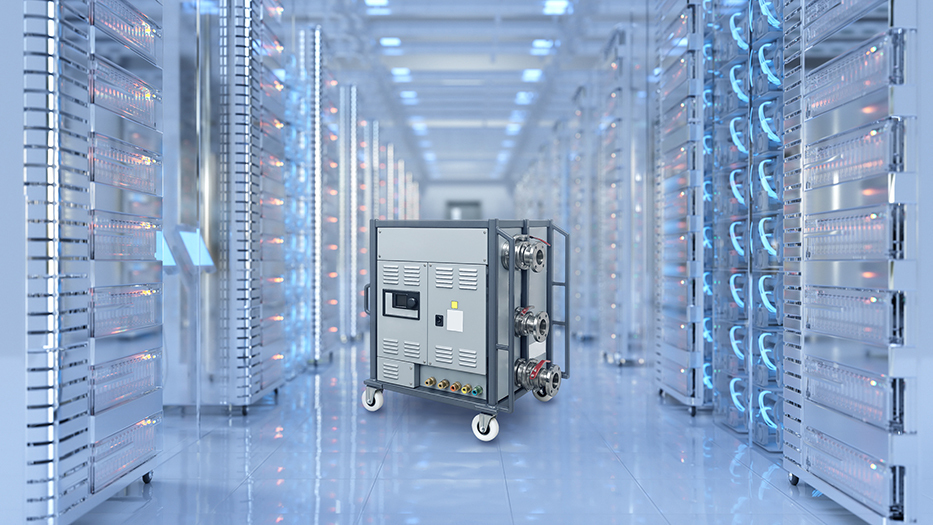
Growth of AI, Cloud, and Hyperscale Builds
The rapid expansion of artificial intelligence, cloud computing, and hyperscale data centers is driving unprecedented demand for infrastructure. Construction teams are under severe pressure to deliver faster and at a greater scale than ever before. Failure to keep up poses a real risk of cascading delays and missed business opportunities
Larger and Heavier Equipment
Modern data center infrastructure—including server racks, containment systems, cooling units, and battery storage—has grown markedly in scale and weight. As a result, equipment handling becomes increasingly challenging and unforgiving.
Faster Deployment Timelines
Aggressive project timelines limit inefficiency. Teams must operate rapidly while maintaining precision, safety, and reliability.
Small Equipment Handling Inefficiencies Become Major Construction Delays
Repetition Multiplies Friction
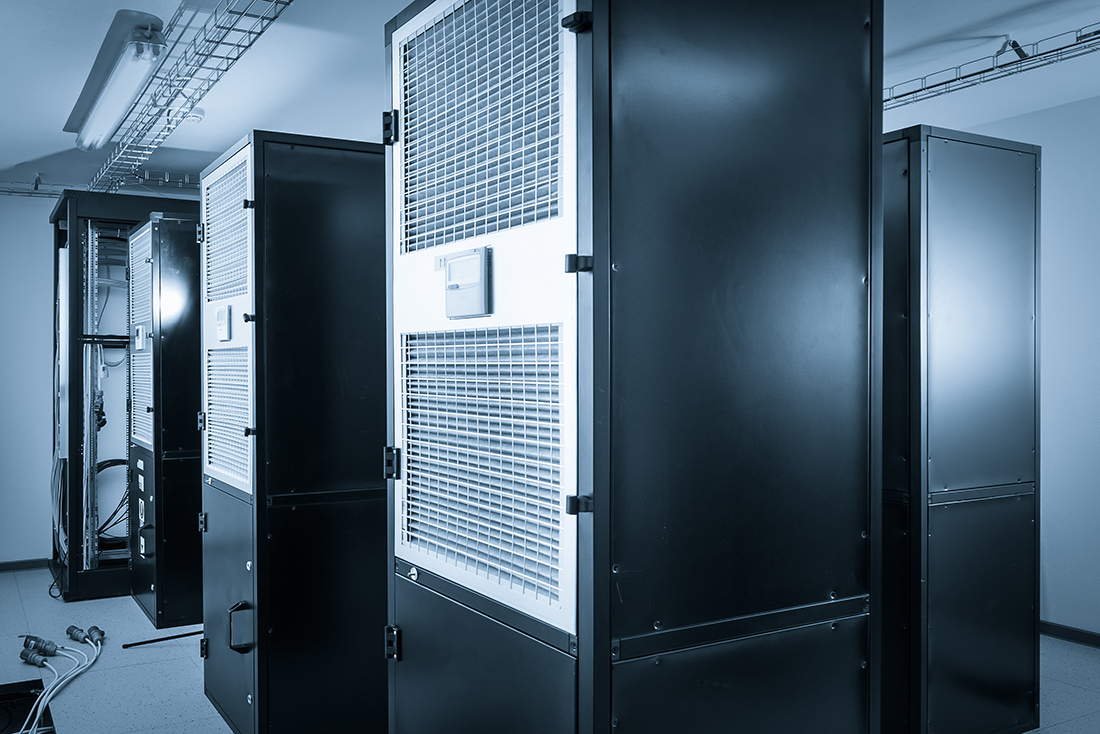
Data center construction involves repetitive movements, often hundreds or thousands of times. Minor handling inefficiencies swiftly accumulate, resulting in major delays.
Delays Compound Across Phases
A delay in one stage—such as positioning server racks—can cascade into downstream delays in electrical, cooling, and commissioning phases. Without urgent attention, these delays can derail entire project timelines.
Movement Becomes a Bottleneck
When equipment is hard to maneuver, teams spend more time repositioning and less time advancing the build. Mobility quietly restricts productivity.
How Poor Mobility Impacts Data Center Construction Efficiency, Safety, and Uptime

Installation Speed
Difficult maneuverability delays equipment placement, lengthening labor time and extending installation schedules.
Workflow Continuity
Teams are forced to pause when equipment cannot be moved efficiently, disrupting workflow continuity across the jobsite.
Equipment Protection
Poor mobility induces vibration, shock, and instability, increasing risk to sensitive electronics and infrastructure components.
Worker Performance
High push force and awkward handling elevate fatigue, reduce productivity, and increase injury risk.
Mobility is not just about movement—it is a make-or-break factor that directly impacts how efficiently a data center is built. Delaying improvements could severely affect the success of construction.
Hidden Risks of Poor Equipment Mobility in Data Center Construction
Installation Delays and Timeline Disruptions
Hard-to-move equipment slows down installation processes and creates scheduling conflicts across teams.
Increased Downtime Risk
Delays during construction push back operational readiness, impacting go-live timelines and revenue generation.
Equipment Damage and Performance Issues
Shock and vibration during movement can damage high-value infrastructure, leading to failures or reduced performance over time.
Worker Safety and Injury Risk
Manual handling of heavy equipment increases strain, fatigue, and the likelihood of workplace injuries.
Inefficient Workflows and Bottlenecks
When mobility systems are not optimized, teams spend more time moving equipment than installing it.
Floor Damage and Facility Risk
Improper wheels or casters can damage finished floors, particularly in sensitive or controlled environments, resulting in additional repair costs and delays.
Where Data Center Equipment Handling Risks Show Up Most Often

Server Rack Installation
Server racks require precise positioning in narrow aisles. Poor mobility complicates alignment and lengthens installation times.
Cooling System Deployment
Air handling units and cooling systems are massive and sensitive. Poor handling leads to costly misalignments and possible damage.
Battery and Power Infrastructure
These systems are among the heaviest components in a data center. Inefficient mobility heightens safety risks and complicates logistics.
Modular Data Center Assembly
In modular builds, repeatability is critical. Mobility inefficiencies disrupt production flow and limit scalability.
Why Mobility Issues Are Often Overlooked in Data Center Construction
Mobility Is Treated as a Secondary Decision
Most teams prioritize infrastructure design and neglect how that infrastructure will be relocated during construction and installation.
Standard Solutions Are Assumed to Be “Good Enough”
Off-the-shelf mobility solutions are often used without evaluating whether they meet the application's requirements.
Lack of Awareness of Mobility Impact
Many teams underestimate the impact of mobility on installation speed, safety, and overall project efficiency.
Focus Is Placed on Equipment, Not Movement
The emphasis is placed on what is being built—not how it gets there.
What Efficient Data Center Equipment Mobility Looks Like
Efficient mobility in data center construction is intentional and engineered.
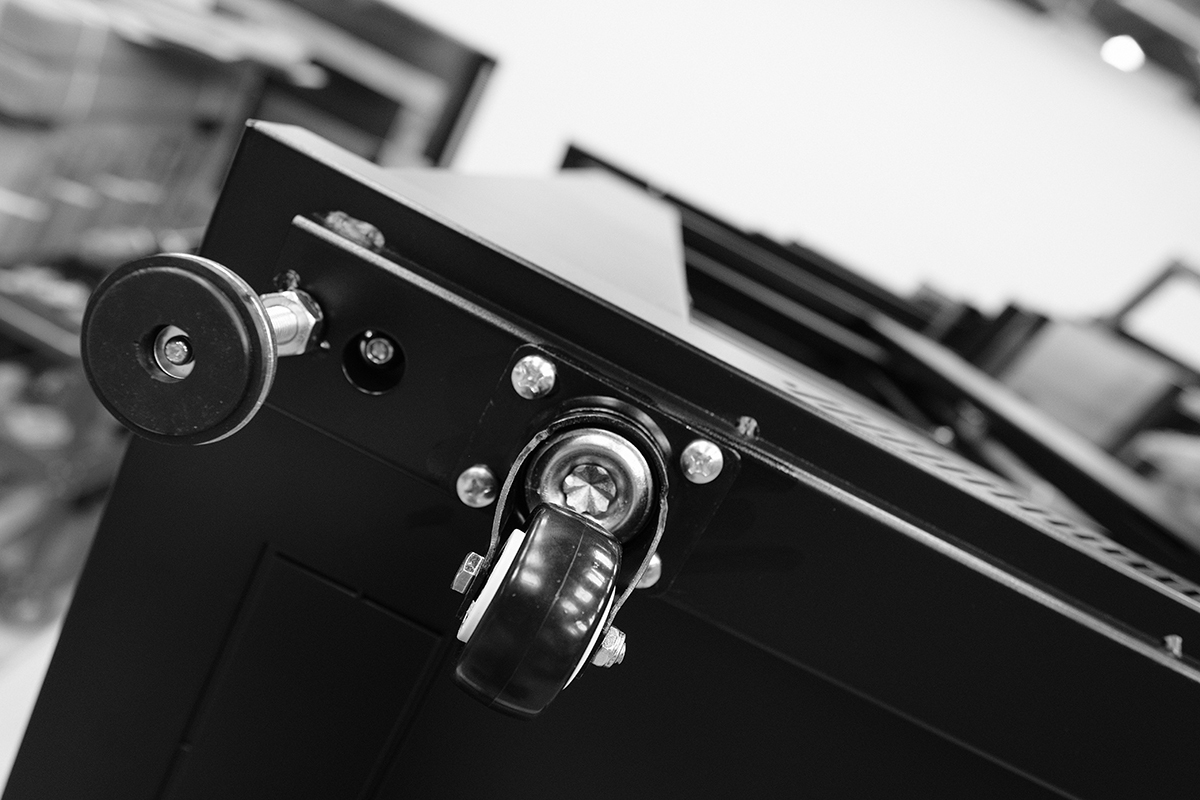
Designed for Real-World Load Requirements
Mobility systems must accommodate actual weight, distribution, and dynamic conditions—not just static ratings.
Reduced Push Force and Improved Ergonomics
Lower rolling resistance boosts speed and reduces strain on workers.
Controlled Movement and Precision Positioning
Equipment must be moved safely and positioned accurately, especially in tight or sensitive environments.
Environment-Specific Design
Mobility solutions must match floor conditions, ESD requirements, and cleanliness standards.
Improve Data Center Equipment Mobility and Reduce Downtime
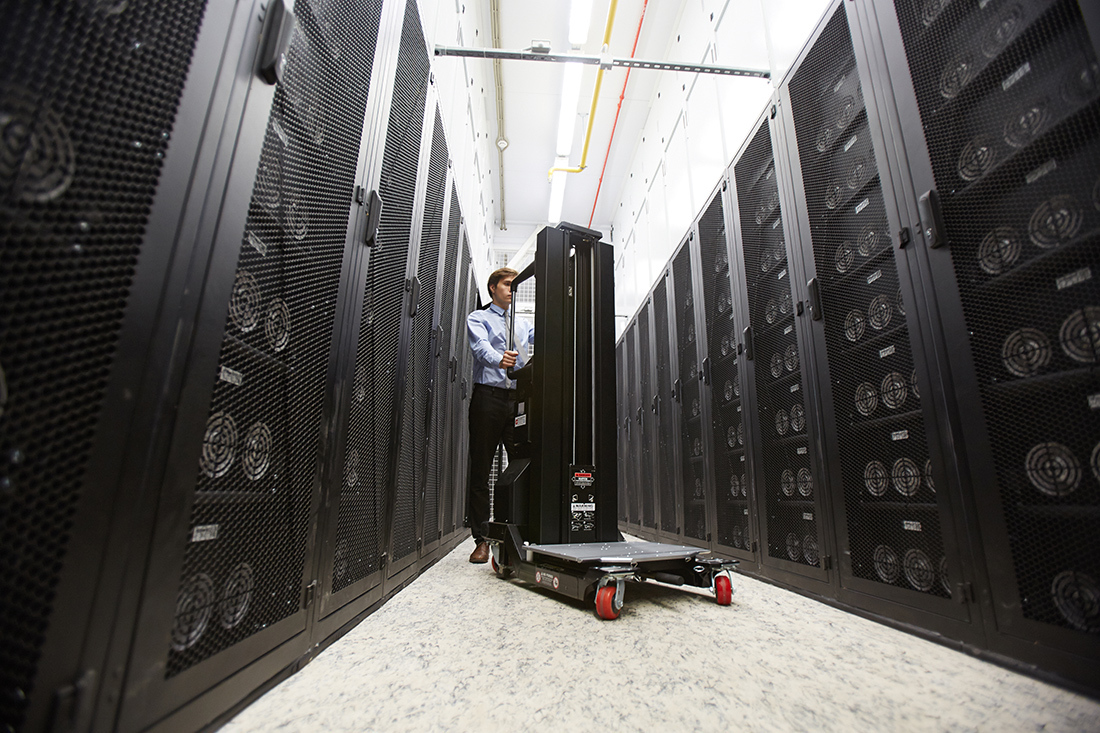
Mobility challenges in data center construction are easy to overlook—but their impact on timelines, safety, and efficiency is significant. When equipment is difficult to move, even small inefficiencies can scale into major delays across your entire operation.
Improving how your team moves heavy infrastructure can:
- Reduce installation delays
- Improve worker safety
- Increase operational efficiency
- Protect high-value equipment
Even small improvements in mobility can create measurable gains at scale.
Don’t Let Equipment Mobility Become a Bottleneck in Hyperscale Construction
To better understand how to safely and efficiently move data center equipment, explore our in-depth guide:
How to Safely Move Heavy Data Center Equipment Without Risking Downtime
You can also dive deeper into:
- Mobility solutions for industrial and IT environments
- Best practices for heavy equipment handling in data centers
- Strategies to improve installation efficiency

Data Center Construction Mobility FAQs
What causes delays in data center construction?
Delays originate from inefficient equipment handling, logistics, and workflow bottlenecks. Weak mobility systems hinder the efficient movement and placement of heavy infrastructure, prolonging installation and project timelines.
Why is moving data center equipment difficult?
Data center equipment is both heavy and sensitive, and it must often be moved in tight, controlled environments. Without properly designed mobility systems, movement becomes inefficient, increasing the risk of damage.
How does mobility impact data center downtime?
Poor mobility delays installation and increases the risk of equipment damage. These issues can push back deployment timelines and impact overall uptime.
What are common equipment handling mistakes in data centers?
Common mistakes include using standard casters not designed for the application, failing to account for load distribution, and ignoring environmental factors such as floor conditions and ESD requirements.
Can poor mobility damage server racks and infrastructure?
Yes. Improper movement can introduce vibration, shock, and instability, damaging sensitive components and reducing long-term reliability.
How can data center construction teams improve efficiency?
Teams can improve efficiency by optimizing equipment-handling processes, reducing push force, and implementing mobility systems tailored to their specific application and environment.