How Custom Mobility Solutions Help Data Center Manufacturers Scale Faster

How Do Custom Mobility Solutions Help Data Center Manufacturers Scale Faster?
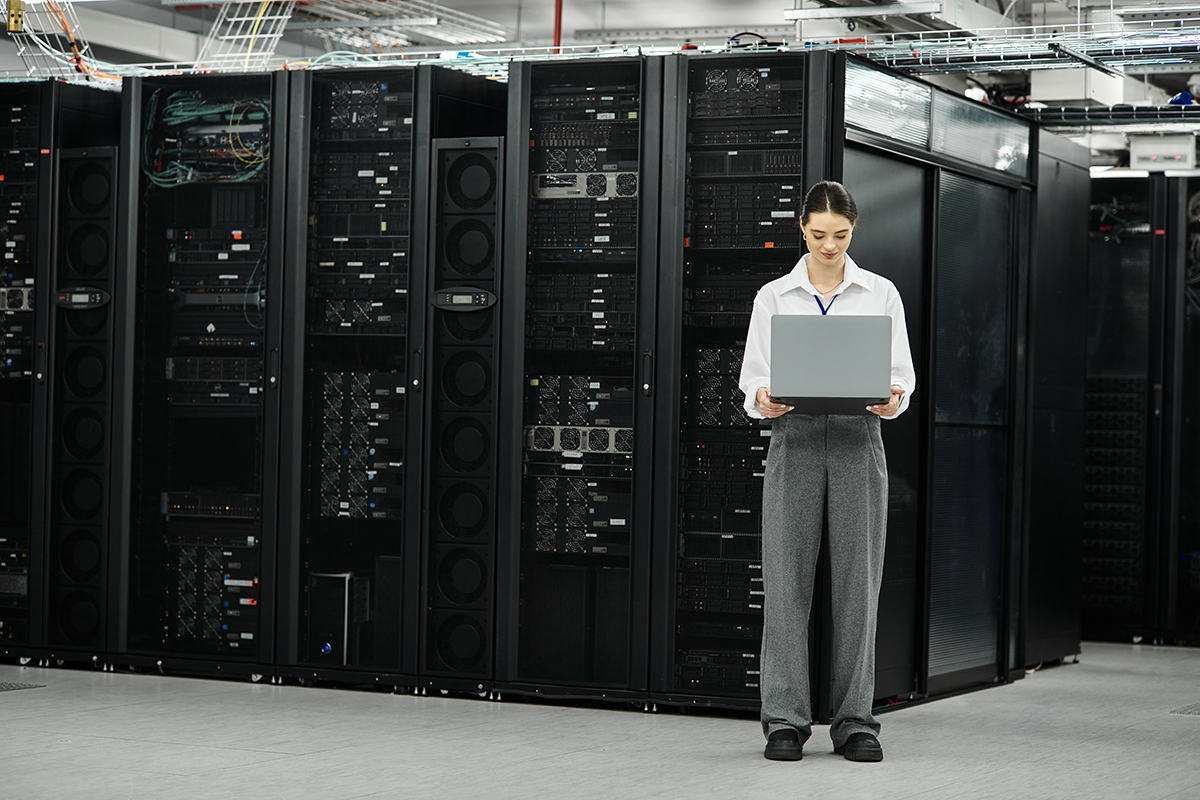
Custom mobility solutions help data center manufacturers scale faster by improving equipment movement, reducing push/pull force, enabling precise positioning, and eliminating workflow bottlenecks. By aligning mobility systems with load requirements, environments, and production processes, teams can increase throughput, reduce downtime, and improve overall operational efficiency.
The Growing Demand for Data Center Infrastructure
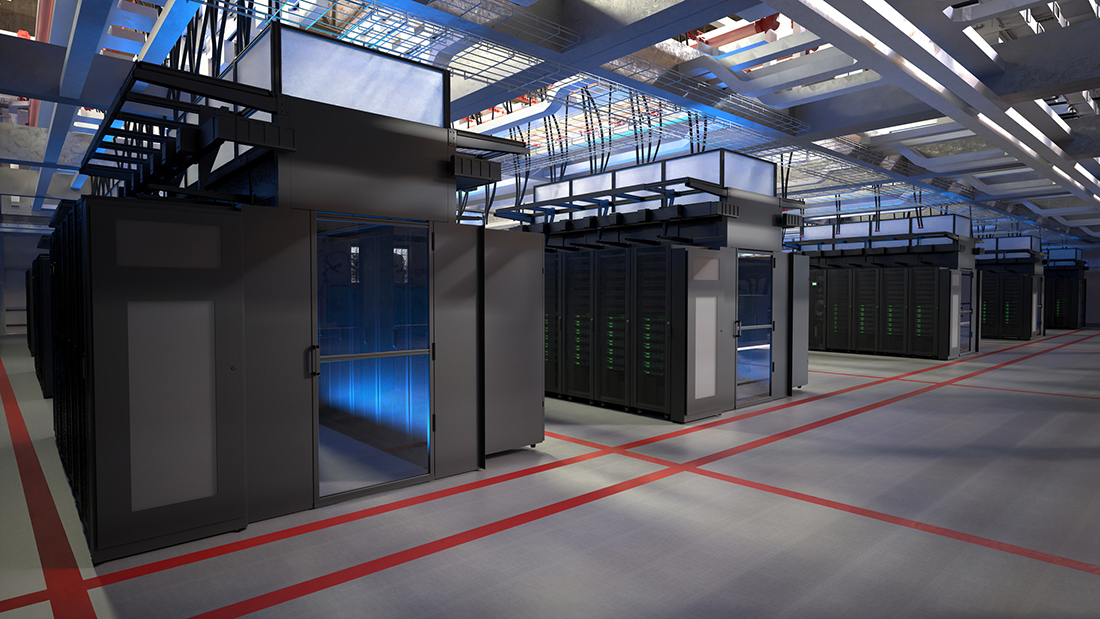
The rapid expansion of cloud computing, artificial intelligence, and hyperscale infrastructure is reshaping the data center industry. Facilities are growing larger, equipment is becoming heavier, and timelines are tightening.
Manufacturers are now responsible for building and deploying:
- Server racks and containment systems
- Cooling systems and air handling units
- Battery storage and power infrastructure
- Modular data center environments
As demand increases, so does the need for speed, precision, and repeatability.
Why Scaling Operations Introduces New Risks
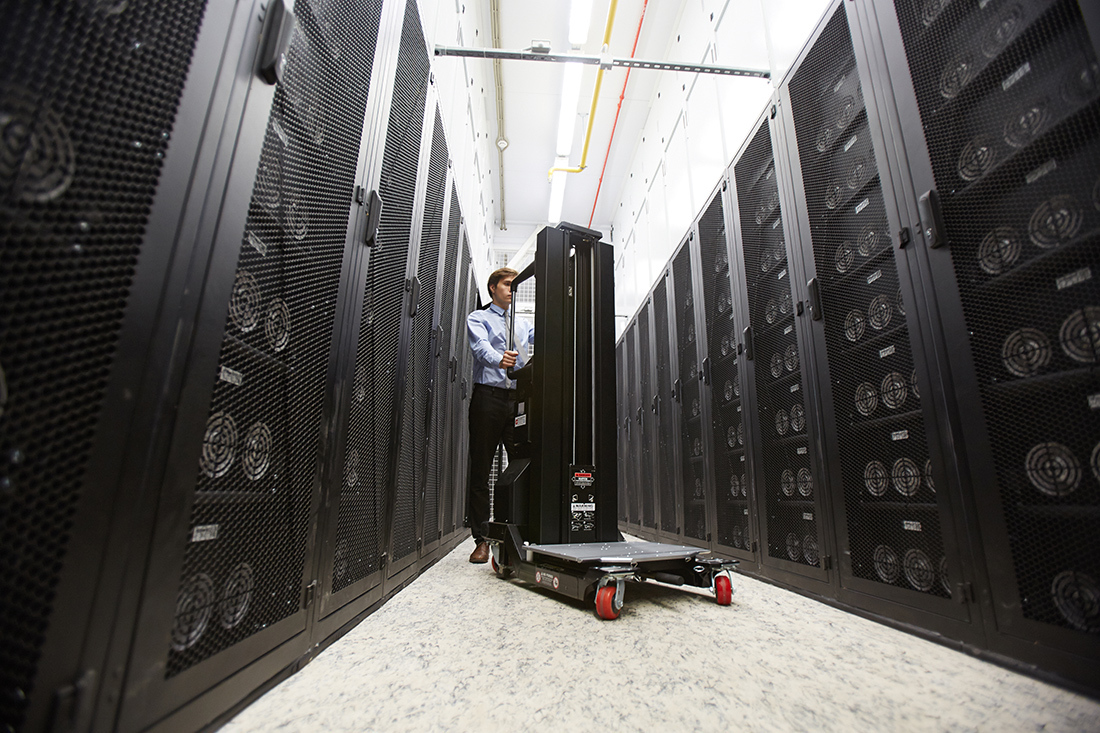
Scaling production is not just about doing more—it changes how systems behave.
As volume increases:
- Movement becomes more frequent
- Equipment becomes harder to handle
- Small inefficiencies multiply
- Bottlenecks become more visible
Processes that once worked at lower volumes often begin to break down under pressure. One of the first areas to fail is mobility.
The Hidden Bottleneck: Equipment Mobility
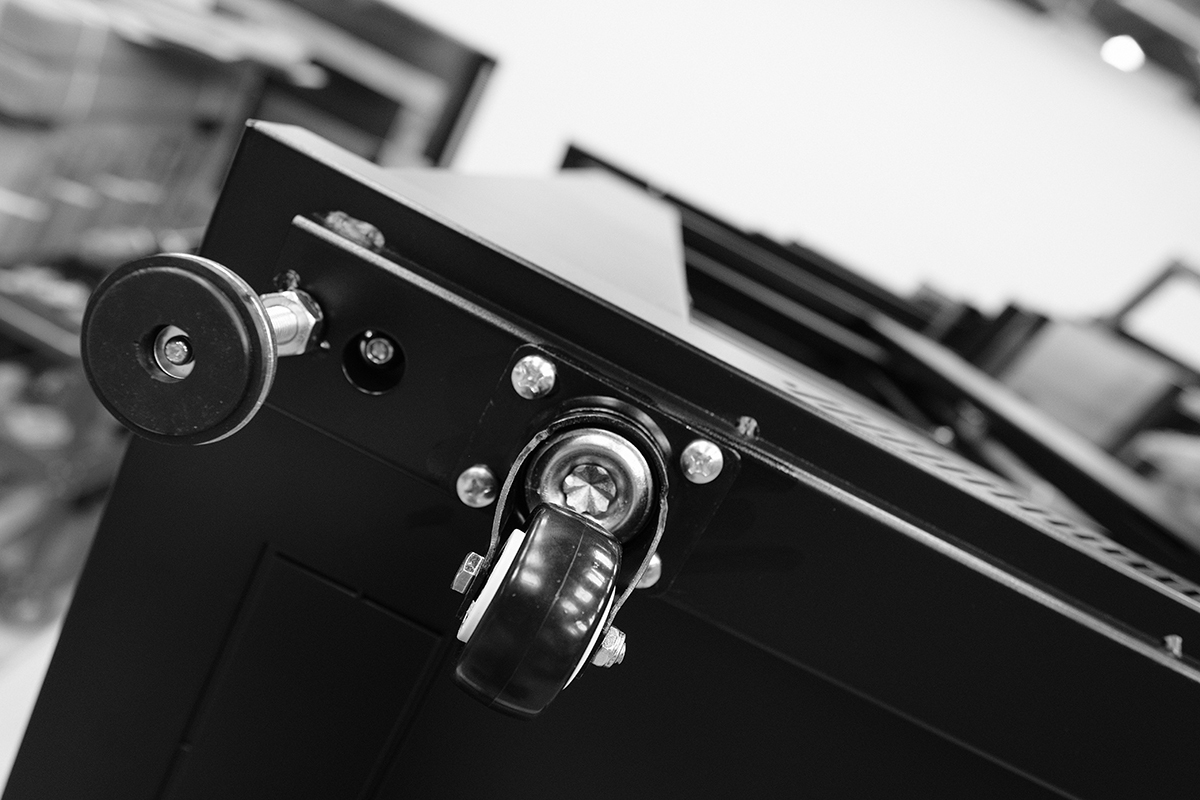
Mobility is rarely the first thing teams evaluate when scaling operations—but it directly impacts:
- Manufacturing throughput
- Installation speed
- Worker safety
- Equipment protection
Mobility is not a component—it is a system that determines how efficiently your operation runs.
If equipment cannot move efficiently, everything slows down.
Why Standard Mobility Solutions Fail at Scale
Load Capacity Limitations
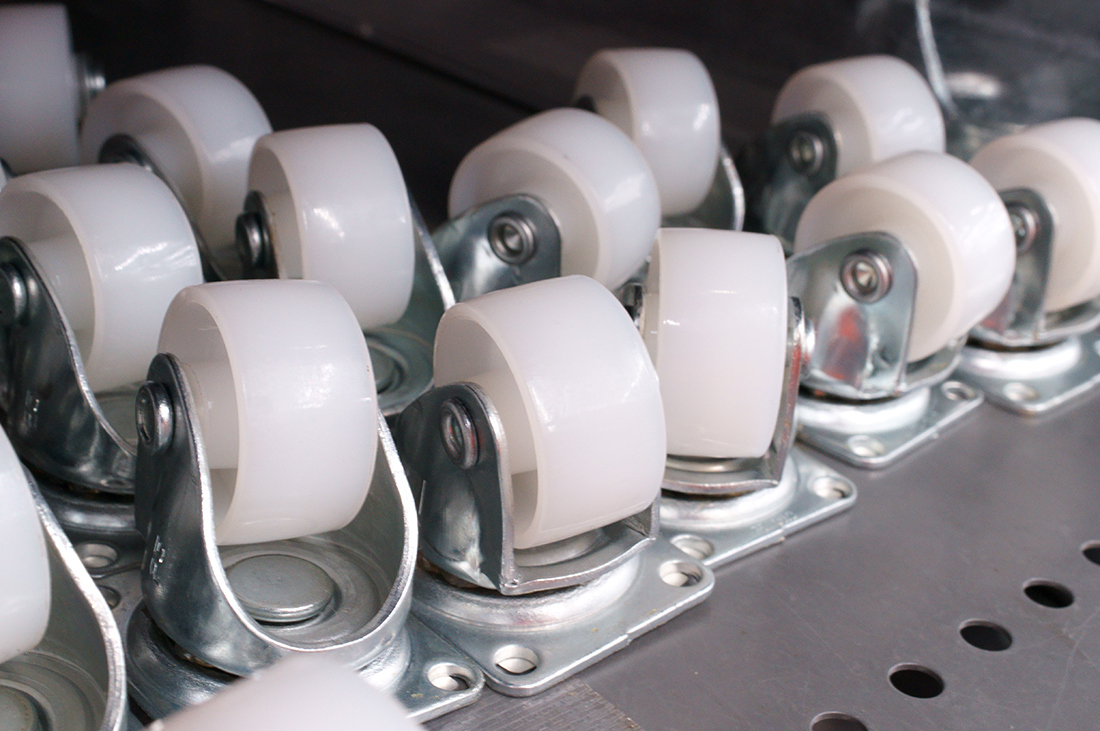
Standard casters are often selected based on static ratings, not real-world conditions. As equipment becomes heavier and more complex, these solutions fail to support actual load demands.
High Push/Pull Forces Slow Production
When mobility systems are not optimized, operators must exert more force to move equipment. This slows workflows, increases fatigue, and reduces overall throughput.
Poor Fit for Specific Environments
Standard solutions rarely account for:
- Floor conditions
- Tight installation spaces
- ESD requirements
- Clean or finished environments
This mismatch creates friction at every stage.
Lack of Integration with Equipment
Off-the-shelf casters are typically retrofitted onto equipment rather than engineered into it. This leads to instability, inefficiency, and inconsistent performance.
What Makes a Mobility Solution Truly Custom
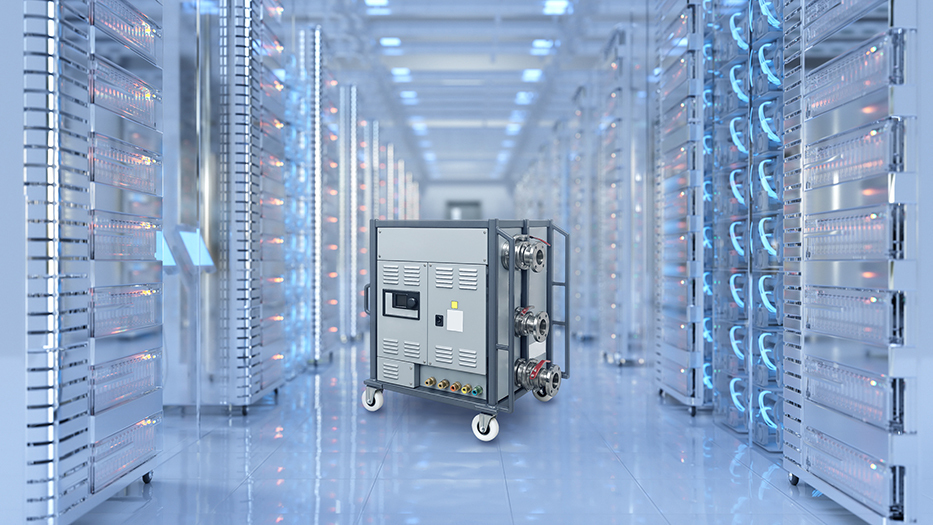
A custom mobility solution is not just a modified product—it is an engineered system designed around your application.
- Load-Specific Engineering: Solutions are designed to handle real-world weight distribution, not just theoretical capacity.
- Equipment Integration: Mounting patterns, dimensions, and structural requirements are aligned with your equipment.
- Environment Alignment: Floor conditions, ESD requirements, and cleanliness standards are built into the design.
- Workflow Optimization: Mobility is designed around how equipment moves through your operation—not just how it rolls.
How Custom Mobility Solutions Enable Faster Scaling
Increase Manufacturing
Throughput Problem: Equipment moves slowly between stations
Solution: Optimize rolling resistance and load distribution
Result: Faster production cycles and higher output.
Reduce Installation Time
Problem: Difficult positioning in tight environments
Solution: Precision mobility systems designed for control
Result: Faster installs and fewer delays
Improve Worker Efficiency and Safety
Problem: High push/pull force leads to fatigue and injury risk
Solution: Ergonomic mobility systems reduce effort
Result: Safer teams and more efficient workflows

Protect High-Value Infrastructure
Problem: Vibration and shock damage sensitive equipment
Solution: Engineered wheel materials and system design
Result: Reduced risk and improved reliability
Enable Consistency at Scale
Problem: Inconsistent movement across teams and locations
Solution: Standardized mobility systems
Result: Predictable performance across operations
Real-World Applications in Data Center Manufacturing
Custom mobility solutions support a wide range of applications, including:
Cooling Systems (AHUs, Chillers)
Heavy, complex systems that require precise handling during manufacturing and deployment.
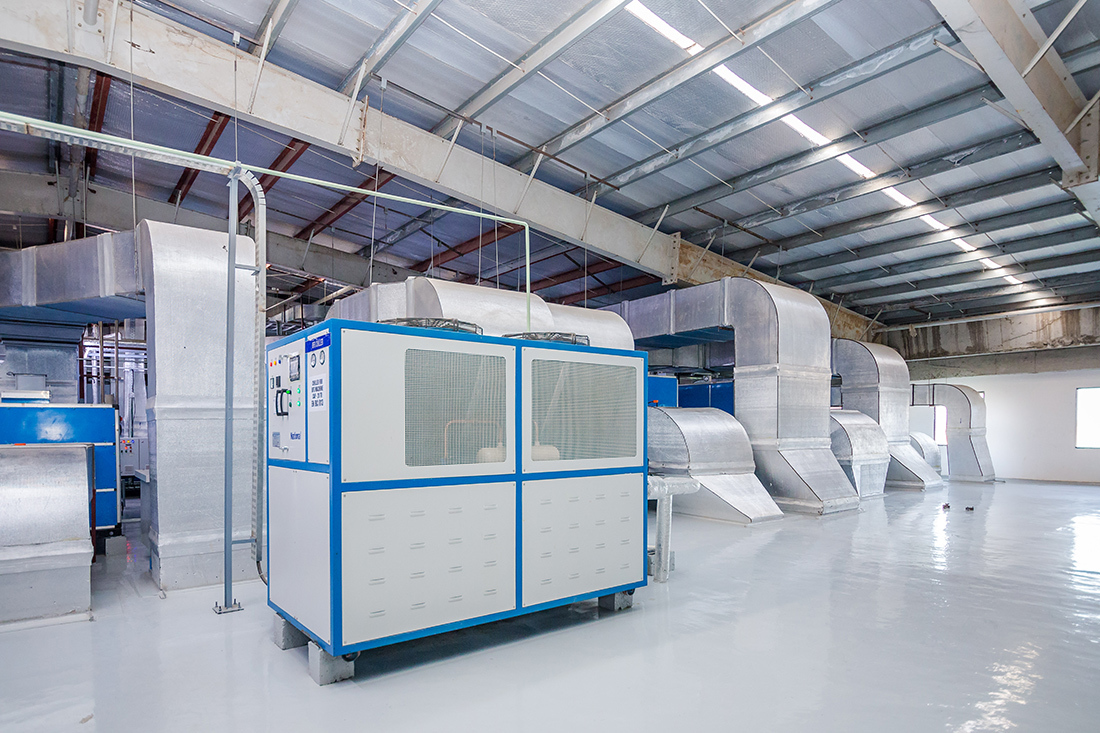
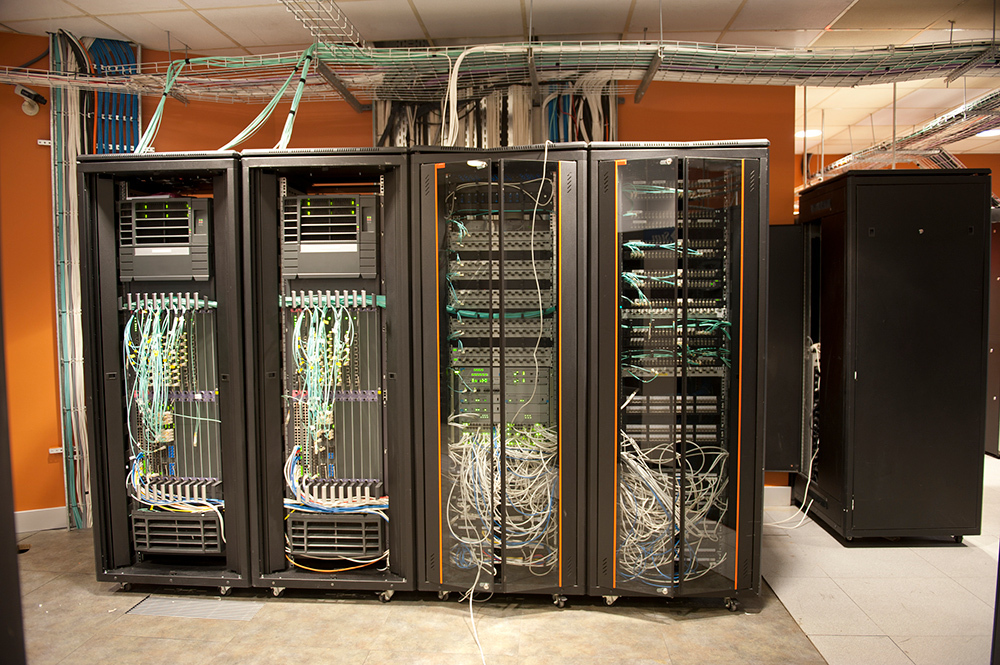
Server Rack and Containment Systems
Require stable, controlled movement with minimal vibration and high load capacity.
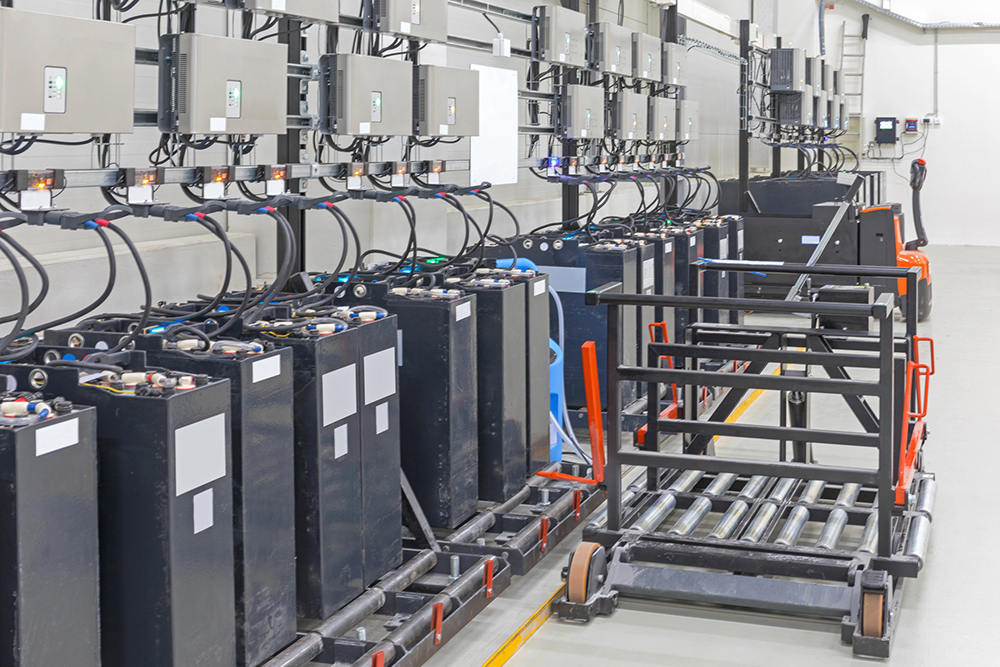
Battery and Power Infrastructure
High-weight applications where safety and reliability are critical.
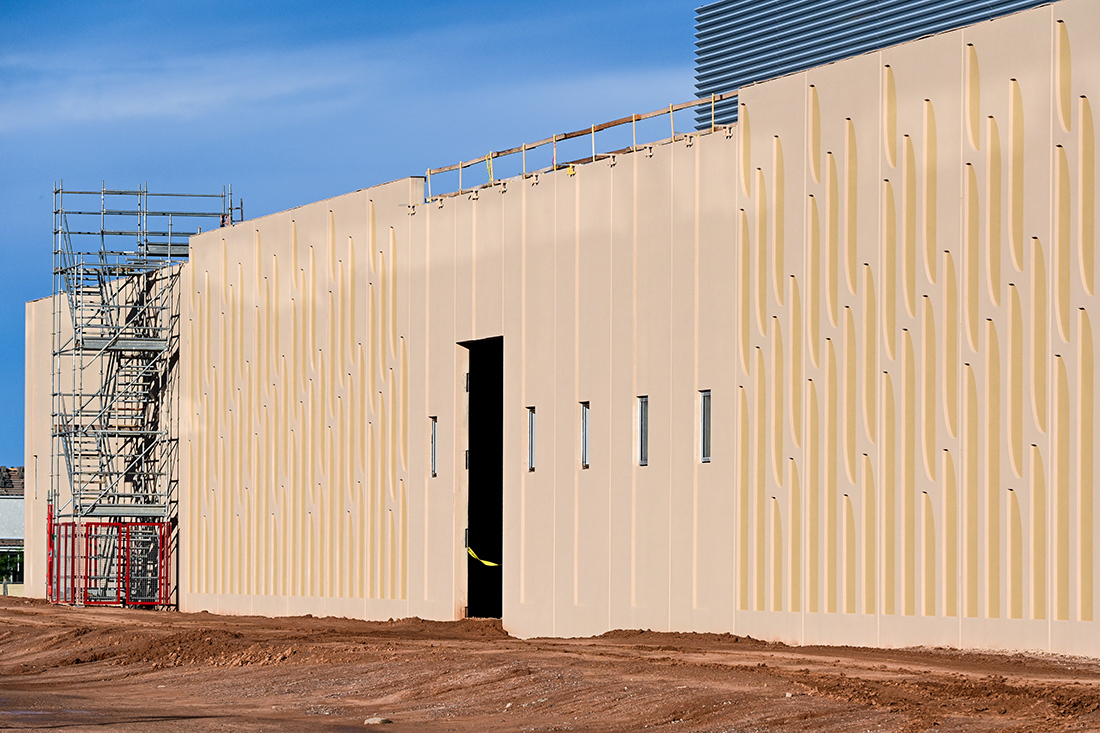
Modular Data Center Builds
Mobility plays a key role in both production flow and on-site installation.
The ROI of Engineered Mobility Systems
Mobility decisions impact more than movement—they affect total cost of ownership.
Custom solutions help reduce:
- Downtime during manufacturing and installation
- Labor costs associated with inefficient movement
- Equipment damage and repair costs
- Delays that impact project timelines
The result is a more efficient, scalable operation.
Custom vs Standard Mobility: What Data Center Teams Need to Know

Upfront Cost vs Long-Term Efficiency
Custom solutions may require more initial investment, but they reduce long-term operational costs.

Implementation Complexity
Working with a mobility partner simplifies the process by aligning solutions with your application.

Scalability Considerations
Standard solutions often fail as operations grow. Custom systems are designed to scale with you.
When It’s Time to Move Beyond Standard Solutions
You may need a custom mobility solution if:
- Equipment is difficult to move
- Push/pull force is too high
- Production is slowing down
- Installation delays are increasing
- Equipment damage is occurring
Explore Data Center Mobility Best Practices
To learn more about selecting and implementing mobility systems in data center environments, explore:
Start Scaling with the Right Mobility Solution
Want a mobility solution designed for your exact application? Start your Caster Needs Evaluation.
Be ready to share:
- Equipment type
- Load weight
- Floor conditions
- ESD requirements

Data Center Mobility FAQs
What is a custom mobility solution?
A custom mobility solution is an engineered system designed specifically for your equipment, load requirements, and environment. Unlike standard casters, it considers real-world conditions such as weight distribution, floor type, and workflow to improve efficiency and reliability.
How do mobility solutions impact manufacturing efficiency?
Mobility solutions directly impact how quickly and safely equipment moves through production. Optimized systems reduce push force, eliminate delays, and improve workflow consistency, allowing manufacturers to increase throughput and scale operations more effectively.
Can mobility solutions reduce installation time?
Yes. Properly designed mobility systems make it easier to position heavy equipment accurately and efficiently, reducing installation time and minimizing delays in data center construction and deployment.
Why don’t standard casters work at scale?
Standard casters are not designed for the specific loads, environments, and workflows found in large-scale data center operations. As production increases, these limitations lead to inefficiencies, safety risks, and equipment handling challenges.
How do I know if I need a custom solution?
If your team struggles with moving equipment, experiences delays, or sees inconsistent performance, a custom mobility solution may be necessary to improve efficiency and scalability.
What industries benefit from custom mobility solutions?
Industries such as data center manufacturing, hyperscale infrastructure, modular construction, and industrial equipment production benefit from custom mobility solutions designed for high-load, high-efficiency environments.
How does mobility impact data center downtime?
Poor mobility can cause delays, equipment damage, and inefficiencies during manufacturing and installation. Optimized mobility systems reduce these risks, helping teams maintain uptime and meet aggressive deployment timelines.